

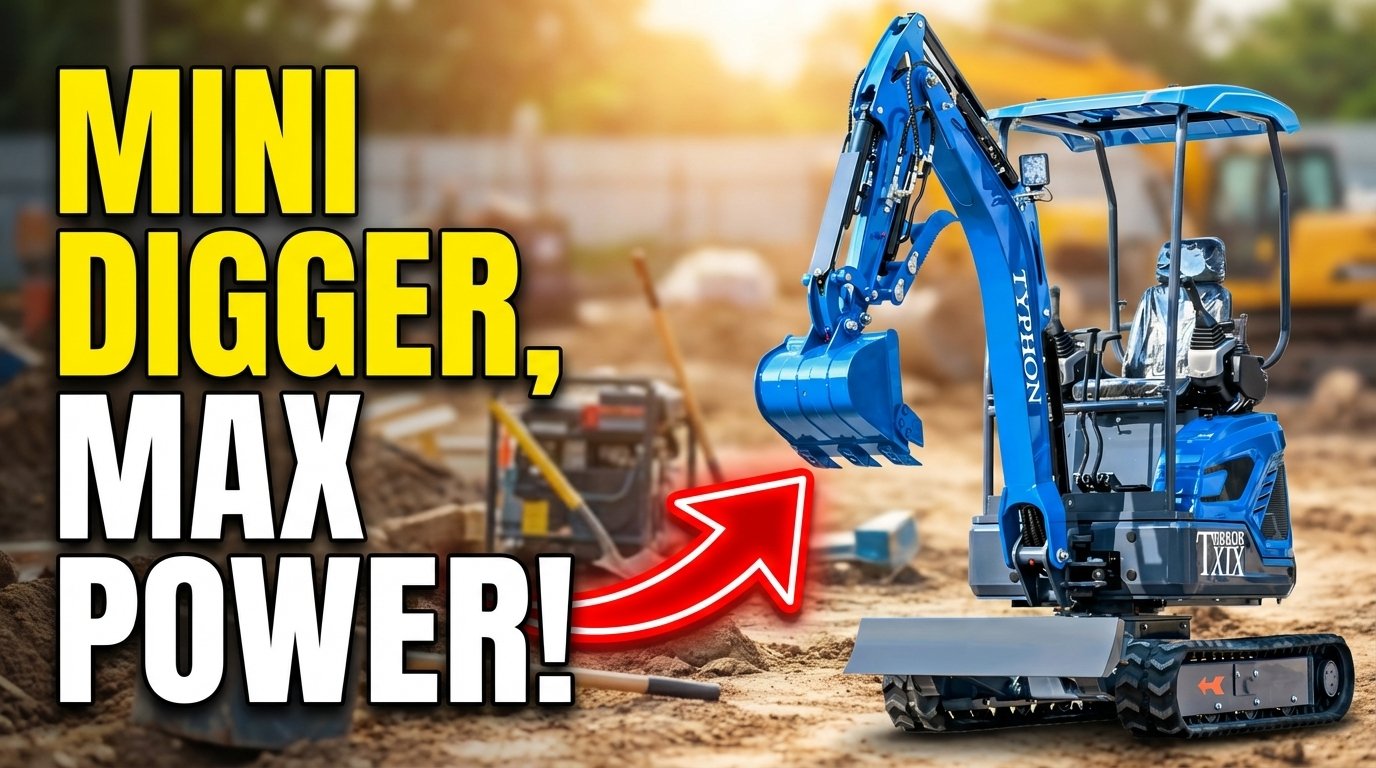
A slow excavator might not seem like a major issue at first, but over time it destroys productivity. When your boom lifts sluggishly or your bucket takes longer to respond, every cycle becomes inefficient—and those lost seconds quickly turn into lost profits. Machine speed is directly tied to hydraulic flow and system efficiency. When something restricts that flow, your excavator cannot operate at its intended performance level.
In this guide, we explore the real reasons behind slow machine movement. You will learn how to identify flow restrictions, valve malfunctions, and early signs of hydraulic wear. With the right troubleshooting approach, you can restore your excavator’s responsiveness and keep your job site running smoothly.
The Difference Between Power and Speed
To fix a slow machine, you must first understand a basic rule of hydraulics: pressure equals power, and flow equals speed. If your excavator cannot lift a heavy rock, you have a pressure problem. If your excavator can lift the rock easily but takes twice as long to do it, you have a flow problem. The hydraulic fluid is not reaching the cylinders fast enough to fill the empty space. Troubleshooting a slow machine means hunting down whatever is restricting the volume of fluid moving through the system.
Restricted Filters and Fluid Viscosity
The easiest place to start looking for a flow restriction is your hydraulic filters. The main hydraulic pump relies on a steady, massive supply of oil from the tank. If the suction filter or the return filters are clogged with dirt, metal shavings, or sludge, the fluid bottlenecks. The pump simply cannot draw enough oil to send out to the cylinders. Changing your hydraulic filters at the correct intervals solves this problem instantly.
Additionally, the thickness of the hydraulic fluid plays a massive role in speed. If you use oil that is too thick for your climate, the pump struggles to push the heavy fluid through the narrow hoses. Conversely, if the machine is overheating, the oil becomes too thin and slips past internal seals. Always use the exact oil viscosity recommended by the manufacturer for your current weather conditions.
Weak Pilot System Pressure
When you move the joysticks in the cab, you are not directly moving the massive main control valves. Instead, you are opening small pilot valves. These pilot valves send a low-pressure stream of fluid down to the main control valve to push the heavy internal spools back and forth. This is called the pilot system.
If your pilot pump is failing or if a pilot line is leaking, the joysticks cannot generate enough pressure to fully open the main control valves. Because the main valves only open halfway, only half the required high-pressure fluid reaches the boom or stick cylinders. The result is a machine that feels incredibly sluggish and unresponsive to your commands. A mechanic can easily test pilot pressure using a simple gauge attached to the test port.
Main Control Valve Sticking
The main control valve is the brain of the hydraulic system. It directs the high-pressure flow from the pump to the correct cylinders based on your joystick movements. Inside this large metal block are precision-machined steel spools that slide back and forth. Because the tolerances are extremely tight, even microscopic pieces of dirt can cause these spools to stick.
When a spool sticks or binds inside the valve block, it cannot slide all the way open. Just like a kinked garden hose, this physical blockage restricts the hydraulic flow. The fluid slows down, and your machine speed drops. In severe cases, a sticking spool requires removing the valve block, polishing the spools, and resealing the entire unit to restore smooth, fast operation.
Internal Pump Wear
If your filters are clean, your pilot pressure is strong, and your valves are shifting perfectly, the main hydraulic pump is likely the culprit. The pump is responsible for generating the massive flow required to move the machine. Inside the pump, metal parts spin at high speeds to push the fluid forward. Over thousands of hours of operation, these metal parts naturally wear down.
As the internal gaps inside the pump grow larger, efficiency drops. Instead of pushing 100 percent of the fluid out to the control valve, a worn pump allows a large percentage of the fluid to slip backward into the pump casing. The pump simply cannot produce the volume of flow it did when it was new. Diagnosing a worn pump requires a professional flow meter test to measure exactly how many gallons per minute the pump is producing under load.
Conclusion
Operating a slow excavator is frustrating and costly. However, slowness is never random; it is a clear mechanical symptom of a flow restriction. By systematically checking your system from the easiest components to the most complex, you can find the bottleneck.


