

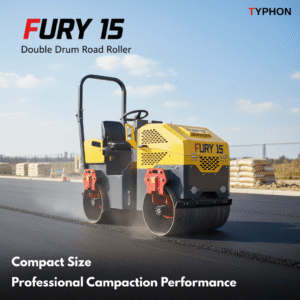
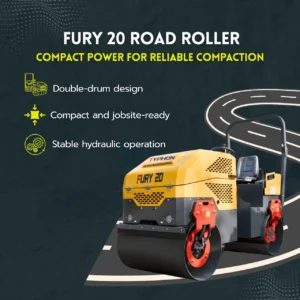
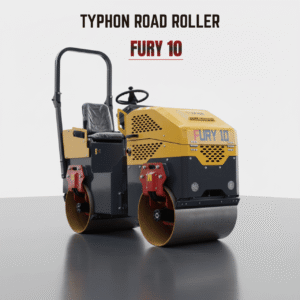
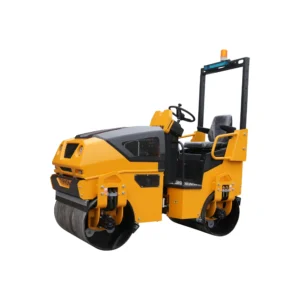
What is a road roller exactly?
A road roller is a heavy-duty engineering vehicle used to compact soil, gravel, concrete, or asphalt. It utilizes its immense weight and vibration to create a dense, smooth surface essential for infrastructure.
DELIVER FLAWLESS RESULTS WITH OUR HEAVY-DUTY ROAD ROLLERS, ENGINEERED FOR OPTIMAL COMPACTION AND PRECISION CONTROL.
A road roller is a heavy-duty compaction machine essential for creating smooth, stable, and durable surfaces. Engineered for maximum density, these robust machines are relied upon by road contractors, construction companies, site development teams, paving crews, and infrastructure project buyers. Whether you are executing precise asphalt compaction for highway road work, tackling deep soil compaction, or finalizing surface preparation for new parking area construction and foundation base work, a reliable construction roller is critical to your success. By applying extreme weight and vibration, they prevent future settling and ensure long-lasting structural integrity. Explore our extensive inventory below to find the ideal road roller for sale that meets the exact specifications and demanding requirements of your next major project.
Understanding the role of a road roller is crucial for any successful site development. Before pouring concrete or laying asphalt, achieving proper compaction is the most critical step in ensuring better long-term project performance. Without a reliable construction roller, entire projects are left vulnerable to structural failure.
During initial site preparation, heavy-duty compaction equipment aggressively compresses the underlying dirt and gravel. This process eliminates trapped air voids, creating vastly improved surface stability. A tightly packed base layer prevents dangerous shifts and significantly reduces the settling risk that destroys foundations over time.
For highway road work and commercial paving, consistent surface compaction is non-negotiable. Road rollers ensure that hot asphalt binds together perfectly. This tight binding results in smoother finishes that naturally resist water penetration, cracking, and daily traffic wear, saving owners massive repair costs.
Ultimately, investing in the right compaction equipment guarantees the durability of your work. Whether you are prepping a massive commercial parking lot or rolling a residential driveway, applying the correct mechanical force ensures your foundational materials perform exactly as engineered for decades to come.
When investing in heavy equipment at machinery.org, understanding the precise applications of your machine is vital. Road rollers are indispensable tools engineered to deliver maximum surface density, preventing future structural failure by eliminating hidden air voids in foundational materials.
Before any structural work begins, achieving a stable base is essential. Using a dedicated road roller for soil compaction ensures the ground can safely support heavy loads. Contractors frequently deploy a construction roller for site preparation to firmly pack dirt during initial foundation base compaction.
For commercial parking lot work and pathway development, finishing the surface correctly dictates the project's lifespan. A specialized road roller for asphalt work uses high-frequency vibration and immense weight to bind hot materials together, creating a dense, watertight seal essential for flawless pavement finishing.
Ultimately, whether you are managing extensive highway road construction or municipal street repairs, deploying the right compaction machine for paving projects guarantees long-lasting results. These heavy-duty machines ensure every structural layer of your infrastructure project meets strict engineering and safety standards.
Selecting the perfect compaction equipment requires looking closely at how the machine is engineered. This road roller buying guide focuses on the critical features that determine your machine's performance, ensuring you make a highly informed investment.
The core of any roller is its compaction force, driven by the machine's overall operating weight and its vibration system. Heavier machines deliver deeper compaction, while the drum width dictates how many passes are required to finish a surface. Balance wide coverage against the maneuverability required for your job sites.
Consistent engine performance is necessary to maintain steady rolling speeds and prevent surface ripples. If working with hot asphalt, a reliable water spray system is an absolute necessity to prevent sticky material from adhering to the drum and ruining the final pavement finish.
Excellent operator comfort reduces fatigue, while unobstructed visibility is critical for safety and precise rolling near curbs. Prioritize machines with easy maintenance access to hydraulic lines and filters, ensuring routine service minimizes costly downtime.
To choose the right road roller, you must first define the specific demands of your jobsite. Selecting the wrong machine can lead to poor density, surface cracking, or unnecessary operating costs. By matching the equipment to your project type and surface material, you ensure long-lasting structural integrity.
The surface material dictates your compaction requirements. For asphalt work, prioritize smooth-drum models with water systems to prevent sticking. For cohesive soil, a padfoot roller or a heavy compaction roller provides the focused pressure needed to eliminate air pockets in thick foundational layers.
Assess your jobsite size and machine maneuverability before purchasing. Larger highways allow for heavy, wide-drum rollers. However, tight urban pathways or smaller paving projects require compact, articulated models that can turn sharply and navigate around curbs without damaging property.
Different projects require vastly different compaction capabilities. A light-duty project like a parking lot may only need a small static roller, whereas heavy infrastructure demands high-frequency vibration. Evaluate the required lift thickness to find a machine that delivers the exact centrifugal force your plan requires.
Selecting heavy compaction equipment is a major investment that dictates the quality of your finished surfaces. These practical tips are designed to help any first-time buyer identify the specific machine that aligns with their operational reality and project goals.
Start by analyzing your project frequency and long-term usage needs. If you handle daily infrastructure work, high-performance machines with robust vibration systems are essential. Occasional property work may only require a basic static model. Always match the size to your common jobsite footprint to avoid unnecessary costs.
Surface type determines your compaction expectations. Asphalt requires smooth drums with water systems, while thick soil demands padfoot models. Furthermore, evaluate transport needs; ensure your existing trailers can handle the operating weight, as heavy rollers often require specialized hauling logistics.
High-end operator comfort and clear visibility reduce fatigue and improve safety during long shifts. Prioritize machines with superior maintenance access. Easy reach to engine components and hydraulic filters ensures routine service is fast, keeping your equipment active and profitable over its entire lifespan.
A road roller is a heavy-duty engineering vehicle used to compact soil, gravel, concrete, or asphalt. It utilizes its immense weight and vibration to create a dense, smooth surface essential for infrastructure.
This compaction machine is primary for road construction, airport runways, parking lot development, and foundation base work. It ensures the ground can support heavy structures without shifting.
Both. A road roller for soil compaction typically features a padfoot drum to knead dirt, while a road roller for asphalt work uses a smooth drum with a water system.
Selection depends on the "lift thickness" of your material. Larger infrastructure projects require heavy tandem rollers, whereas driveways or narrow paths are best handled by utility rollers.
Achieving the correct surface density is the foundation of any long-lasting construction project. We encourage you to browse road rollers within our current inventory and take the time to compare compaction machines based on your specific weight and vibration requirements. Whether you are handling a highway expansion or a residential paving job, our team is dedicated to helping you find the right roller for your project to ensure professional results every time.
Machinery Online connects you with high-quality construction equipment. Browse our reliable mini excavators, skid steers, and forklifts. Enjoy flexible financing, 24/7 support, and free delivery across the USA.
A subscription is a great way to stay updated with the latest news
Copyright 2026 Machinery – All Rights Reserved By machinery.org