CONQUER
TOUGH
TERRAIN
EXPERIENCE THE VERSATILITY AND BRUTE STRENGTH OF OUR SKID STEERS, ENGINEERED FOR HEAVY LIFTING AND RAPID MATERIAL HANDLING.
- EXTREME LIFT CAPACITY
- RUGGED DURABILITY
- VERSATILE PERFORMANCE
Forklifts
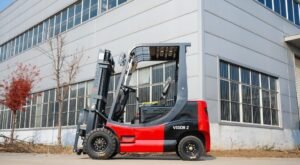
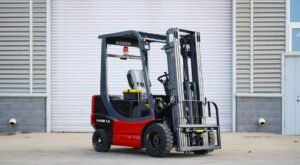
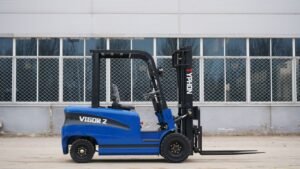
A forklift is an essential industrial truck designed to help businesses move and lift heavy loads with precision. Whether you are a warehouse operator, a logistics company, or a construction supplier, having the right material handling equipment is vital for maintaining a productive workflow. These robust machines are used daily for lifting pallets and moving inventory across large factories. Explore our comprehensive selection to find a durable forklift for sale that meets your specific weight requirements and height demands.
 Sale!Buy 2 Ton Electric Forklift
$15,598.00Original price was: $15,598.00.$0.00Current price is: $0.00.
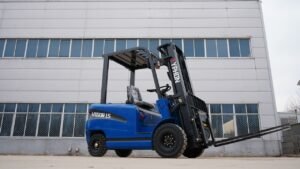
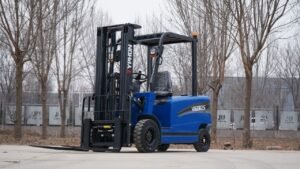
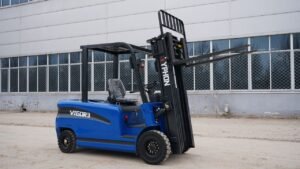
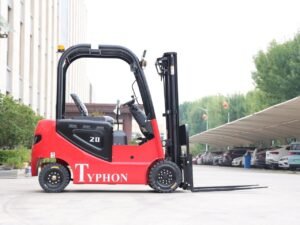
Why Forklifts Are Essential for Material Handling
A high-performance forklift is the backbone of any modern industrial operation. By integrating the right material handling equipment, businesses can transform their logistics, ensuring that heavy goods are managed with absolute precision and safety.
Warehouse & Space Optimization
In busy warehouses, vertical space is as valuable as floor area. Utilizing specialized warehouse lifting equipment allows operators to stack pallets higher and more securely. This better use of storage space maximizes your facility's capacity while maintaining an organized system that adapts to your growing needs.
Lifting Efficiency & Workflow
The primary advantage of an industrial forklift is the dramatic increase in lifting efficiency it provides. By enabling safer load movement of heavy crates and machinery, these trucks facilitate a much faster workflow. This acceleration in cycles significantly reduces the reliance on manual labor, cutting costs and physical strain.
Industrial & Commercial Safety
In demanding commercial environments, safety is a non-negotiable priority. A modern forklift is engineered with advanced stability features to ensure stable transport over various surfaces. This reliability protects both your workforce and your high-value goods, preventing the accidents associated with manual handling.
Common Uses for Forklifts
At machinery.org, we recognize that a forklift is more than just a lifting machine; it is a critical component of a functional supply chain. These versatile tools optimize your daily workflow and transform material movement across industrial sectors.
Logistics & Distribution
In high-traffic distribution centers, a reliable forklift is essential for maintaining strict schedules. Beyond simple pallet movement, these machines streamline the transfer of bulk goods from arrival bays to deep storage. This constant movement ensures hubs operate at peak efficiency without manual bottlenecks.
Warehousing & Storage
Deploying a dedicated forklift for warehouse work allows for superior stacking and advanced stock organization. By utilizing an industrial forklift, facilities can safely capitalize on vertical space. This drastically improves storage efficiency, keeping inventory accessible within modern racking systems.
Manufacturing & Supply
A multi-purpose forklift provides vital support for construction supply operations. Inside factories, these trucks handle raw factory material handling, ensuring production lines remain supplied. This seamless integration of heavy lifting into the daily operation maximizes overall facility productivity.
Key Features to Compare in a Forklift
Selecting the right lift truck requires a deep look at the specifications that drive daily efficiency. This forklift buying guide highlights essential features to ensure your equipment matches the unique demands of your industrial site or warehouse.
Load & Power Dynamics
The foundation of any comparison is lifting capacity and power type. For indoor logistics, electric power offers quiet, emission-free use, while internal combustion excels outdoors. Evaluate fork length and mast type (double or triple) to ensure the machine can safely achieve your required lift height without compromising stability.
Site & Size Fit
Maneuverability is critical for narrow aisles. Compare the turning radius and tire type (cushion for warehouse floors or pneumatic for rougher surfaces) to ensure a perfect floorplan fit. Precise dimensions allow you to move goods efficiently in tight spaces, preventing bottlenecks and protecting inventory from damage.
Usability & Upkeep
Prioritize operator comfort and clear visibility to reduce fatigue and enhance safety during long shifts. Analyze maintenance access for routine checks on fluids and electrical systems. Easy reach to core components minimizes costly downtime, keeping your material handling operations moving predictably and profitably.
How to Choose the Right Forklift
To choose the right forklift, you must evaluate the specific physical demands of your operation rather than just the machine’s lift rating. Every facility on machinery.org has unique requirements, and selecting a machine that matches your maximum load weight and lifting height ensures long-term safety.
[Image of a forklift lifting a pallet in a warehouse]The operating environment is a primary filter. A forklift for warehouse use typically features electric power and cushion tires, perfect for smooth flooring. However, if your business requires outdoor yard work, you should seek an industrial forklift equipped with pneumatic tires to handle uneven ground safely.
Finally, consider your daily workload frequency. A light-duty retailer may only need a pallet stacker, whereas a 24/7 distribution center requires a heavy-duty forklift for sale with rapid battery swapping. By balancing your inventory volume with your site’s layout, you guarantee an investment that drives productivity.
Operational Agility Maneuverability, Storage Access, and Workflow Efficiency
While raw lifting power is a vital specification, a forklift’s true value is often measured by its ability to navigate high-traffic environments. In busy warehouses, the speed of your operation depends on efficient navigation and executing tight turning without disrupting goods.
Choosing a compact forklift ensures smoother movement and easier pallet placement in restrictive spots. This maneuverable equipment is essential in high-volume loading zones, where better flow translates into faster turnarounds and reduced downtime.
- Optimized Aisle Access
- Rapid Pallet Positioning
- Reduced Impact Risk
- Enhanced Zone Speed
Forklifts FAQ
What exactly is a forklift?
A forklift is a powerful industrial truck used to lift and move materials over short distances. It features a mast and hydraulic-powered forks, making it essential material handling equipment.
What jobs are forklifts used for?
Beyond lifting, an industrial forklift is used for truck loading, inventory stacking, and moving heavy components. They support daily workflow by keeping inventory organized.
How do I choose lifting capacity?
Base your choice on your heaviest load plus a safety margin. When browsing a forklift for sale, remember that the "load center" affects capacity and safe handling limits.
Are forklifts for warehouse use?
Absolutely. Models for warehouse use are typically electric-powered with cushion tires to maximize traction on smooth concrete floors while maintaining a compact footprint.
What features matter when comparing models?
Prioritize the mast type (lift height), power source (electric vs. combustion), and operator ergonomics. Features that improve visibility are critical for preventing accidents.
Selecting the right equipment is a critical step in maintaining a high-performance workplace. We invite you to browse forklifts within our expansive inventory to compare material handling equipment based on your specific lifting needs and work environment. By evaluating each machine’s specialized features, you can confidently find the right forklift for your operation, ensuring a reliable solution that supports your daily workflow and business growth.

About Us
Machinery Online connects you with high-quality construction equipment. Browse our reliable mini excavators, skid steers, and forklifts. Enjoy flexible financing, 24/7 support, and free delivery across the USA.
Follow Us
Subscribe
A subscription is a great way to stay updated with the latest news
Copyright 2026 Machinery – All Rights Reserved By machinery.org