Hydraulics & Performance for Construction and Material Handling Equipment
Machinery.org helps buyers understand how hydraulic performance affects real equipment behavior, especially when attachments, lifting force, digging response, or overall work speed matter. This page explains hydraulics and performance in simple terms for mini excavators, skid steer loaders, forklifts, wheel loaders, and road rollers so buyers can connect technical language to practical jobsite results.
Both affect performance, but they influence machine behavior in different ways.
Work conditions, attachments, and movement pattern shape how strong a machine feels.
The wrong hydraulic match can make a capable machine feel weak.
Why hydraulics and performance matter before comparing machines only by size
Hydraulics are a major part of how many machines actually perform on site. They affect lifting response, digging feel, attachment behavior, and the way the machine carries out its work cycle under real load.
That is why performance should not be reduced to engine size or general machine weight alone. A machine may look strong on paper and still feel slow or mismatched once the work, the attachment, or the site changes.
Hydraulic concepts buyers should understand in simple language
These ideas help explain why two machines can feel very different even when they look similar at a glance.
Pressure helps create force. It influences how strongly a machine can push, lift, or dig in certain conditions.
Why it matters: Pressure often shapes how much force the machine can apply.
Flow affects how much hydraulic oil moves through the system over time.
Why it matters: Flow often shapes speed, response, and tool behavior.
This supports certain attachments that need hydraulic power beyond the base machine functions.
Why it matters: Attachment performance often depends on the quality of this hydraulic support.
How the machine actually behaves in the field with the task, the surface, the tool, and the load involved.
Why it matters: This is what buyers feel when the machine is working, not just when they read a spec list.
The difference between pressure and flow in practical terms
Buyers often hear both terms without a clear picture of what each one changes.
When the job needs stronger pushing, lifting, or digging feel, pressure becomes part of the conversation.
Pressure is often tied to how hard the machine can work against resistance.
When the work depends on how quickly the hydraulic function responds, flow becomes more noticeable.
Flow is often tied to how quickly the hydraulic function can move through its cycle.
Some tools need a balanced hydraulic match instead of just one headline figure.
A mismatch can reduce output and make the tool feel underpowered or awkward.
How hydraulic performance shows up across different machine types
Hydraulic behavior matters differently depending on what the machine is built to do.
Mini Excavators
Hydraulic performance affects digging feel, boom response, and how confidently the machine handles trenching and attachment work.
What buyers should notice: Controlled digging response and attachment readiness.
Common misunderstanding: Assuming size alone explains digging behavior.
Related page: Mini Excavators Store
Skid Steer Loaders
Hydraulics shape how well the machine supports certain attachments and how cleanly it moves through tool-driven support work.
What buyers should notice: Attachment support and response under repeated short-cycle work.
Common misunderstanding: Ignoring how hydraulic fit affects attachment value.
Related page: Skid Steer Loaders Store
Forklifts
Performance shows up through smooth lifting, handling control, and predictable movement while carrying loads.
What buyers should notice: Stable and controlled hydraulic behavior during load handling.
Common misunderstanding: Treating every lifting task as a simple capacity issue.
Related page: Forklifts Store
Wheel Loaders
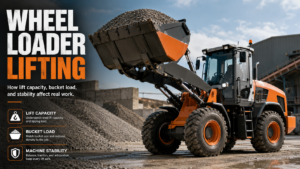
Hydraulic performance affects bucket response, loading rhythm, and how the machine feels through repeated outdoor cycles.
What buyers should notice: Bucket control and cycle consistency under real material flow.
Common misunderstanding: Focusing only on size and ignoring cycle quality.
Related page: Wheel Loaders Store
Road Rollers
While hydraulics matter differently here, overall machine performance still depends on consistent task behavior and pass control.
What buyers should notice: Steady operation and repeatable surface work.
Common misunderstanding: Assuming specialized machines do not need performance evaluation.
Related page: Road Rollers Store
Why auxiliary hydraulics and attachment fit change real performance so much
Attachment performance depends on more than whether the tool physically fits the machine. The hydraulic match has to support the work as well. When it does, the machine feels more useful, more controlled, and more productive. When it does not, the job slows down and the tool may never feel right in the field.
Useful page: Attachments
What affects real-world machine performance
Performance changes when the work, the site, or the tool changes. These factors show why.
Attachment load
A machine may behave differently once a demanding tool is added to the workflow.
Material resistance
Hard digging, dense loads, and surface conditions change how the machine feels under load.
Work cycle
Performance should be judged across repeated cycles, not one isolated movement.
Site conditions
Space, footing, and weather can change how smoothly the machine performs.
Operator input
Control style and machine positioning affect how efficiently performance is turned into useful work.
Machine match
A strong machine in the wrong role often feels weaker than a better-fitting machine in the right role.
Hydraulics and performance FAQ
These answers connect hydraulic language to practical buying questions.
Because hydraulics affect how many machines lift, dig, move tools, and respond under real working load.
Pressure is more connected to force while flow is more connected to movement speed and response.
Yes. Attachments can shift the performance question from base machine strength to hydraulic match and response.
Real-world performance depends on hydraulic setup, task type, load, site conditions, and the work cycle.
They should pay attention to digging feel, control, and whether the machine supports the attachments they need.
They should consider attachment-driven performance and how the machine responds during repeated short-cycle work.
No. A better machine match often feels stronger and more useful than extra size alone.
The next useful step is often the attachments page, productivity page, or a machine-specific topic page.
Use these internal links to connect performance topics to real machines
These live URLs help readers move from hydraulic concepts into equipment categories, machine topics, and the rest of the site.
Machinery.org helps buyers connect technical performance to real work
Hydraulic language becomes more useful when it is tied to machine behavior, attachment fit, and the way the job actually unfolds on site.
Follow this page with attachments, productivity, and machine-specific guides to see how performance questions change across different kinds of equipment.