
Operator Protection, Comfort, and Productivity Trade-offs
Introduction
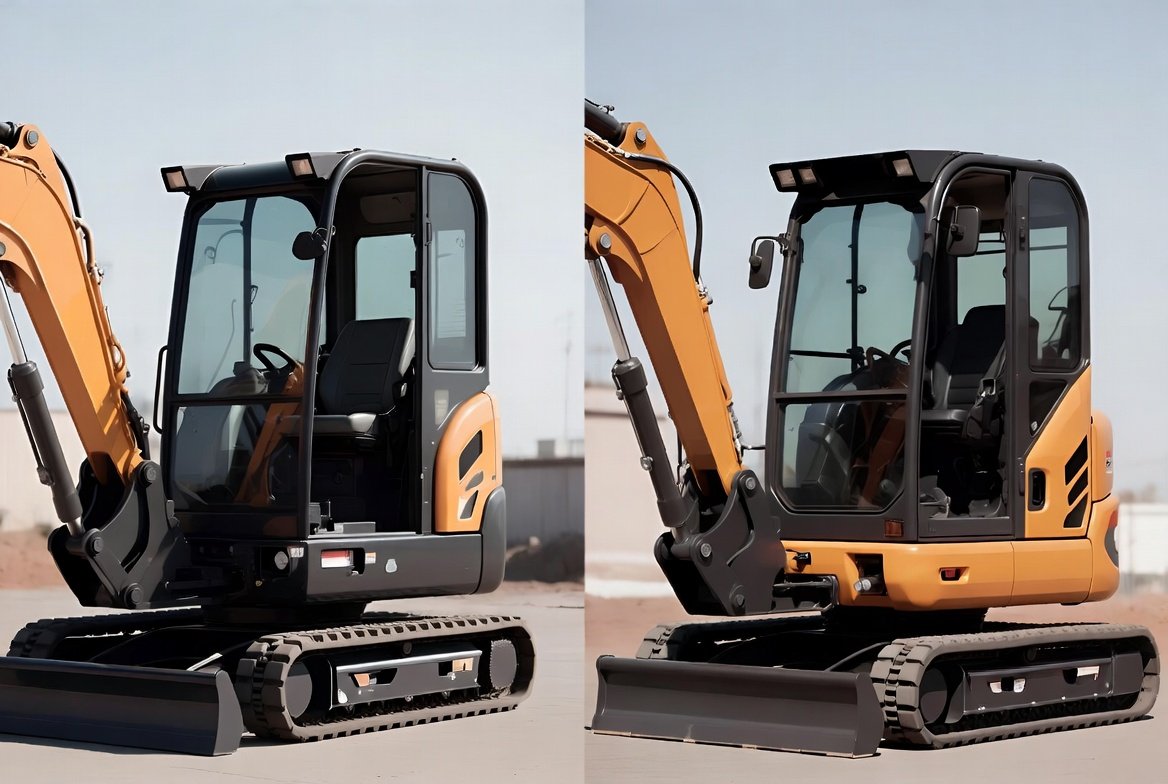
The operator station on construction equipment can range from a simple open canopy with a rollover protective structure (ROPS) to a fully enclosed, climate-controlled cab with advanced suspension and electronics. The choice between open canopy and enclosed cab affects operator comfort, safety, productivity in extreme weather, noise exposure, and machine cost. This guide explains the differences and helps you decide which configuration is most suitable for your work.
Open Canopy (ROPS)
An open canopy typically consists of a protective frame (ROPS) and sometimes a simple roof or side screens. It provides basic protection against rollover and falling objects while keeping the operator fully exposed to the outside environment.
Advantages of Open Canopy
- Lower purchase cost
- Better visibility and easier communication with ground crew
- Easier entry and exit
- Less heat buildup in mild weather
- Simpler maintenance – fewer seals, glass, and HVAC components
Disadvantages of Open Canopy
- No protection from rain, snow, dust, or extreme temperatures
- Higher noise exposure
- Operator fatigue increases in hot, cold, or wet conditions
- Limited protection from flying debris
Enclosed Cab
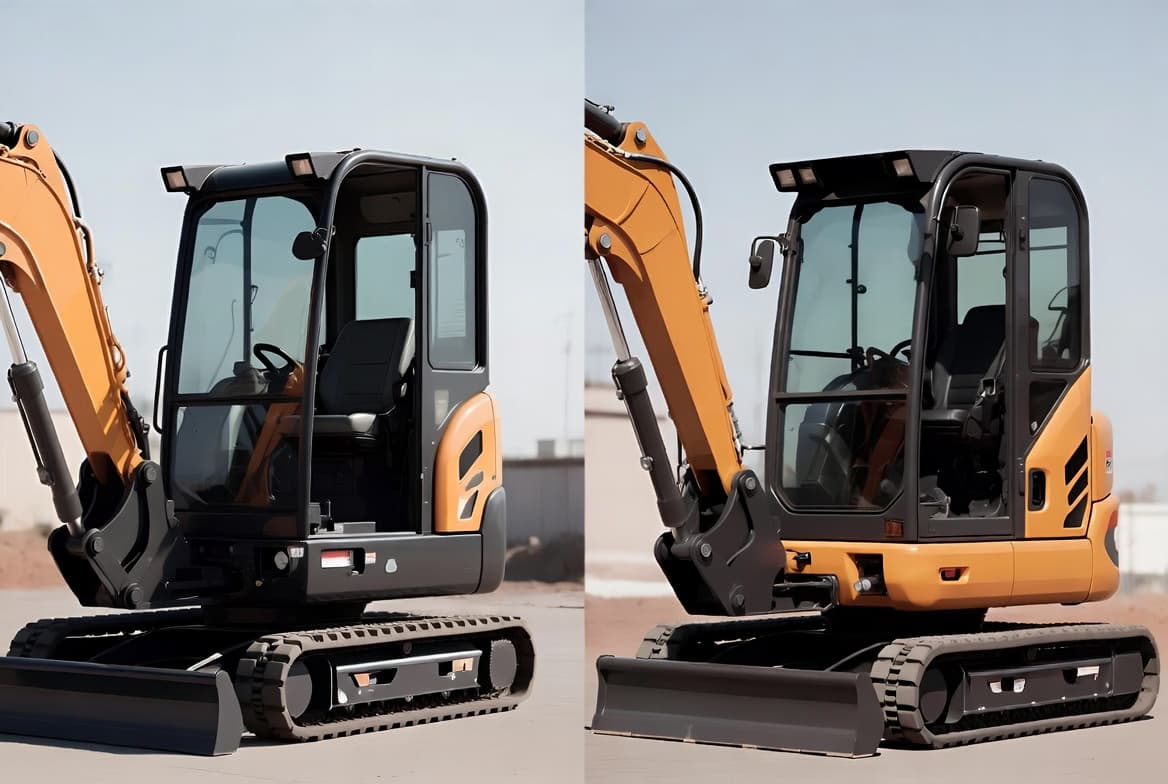
A fully enclosed cab provides a sealed operator environment with glass (or polycarbonate) windows, a door, and usually heating, ventilation, and air conditioning (HVAC). Modern cabs also include better seating, reduced noise levels, and often advanced displays and controls.
Advantages of Enclosed Cab
- Protection from weather – rain, snow, wind, and extreme temperatures
- Significantly lower noise levels
- Better dust and debris protection
- Improved operator comfort and reduced fatigue on long shifts
- Often includes better seating, storage, and visibility aids (mirrors, cameras)
Disadvantages of Enclosed Cab
- Higher purchase and repair cost
- Potential for reduced natural ventilation if HVAC fails
- Slightly more complex maintenance (seals, glass, HVAC system)
- Can feel more isolated from ground personnel
Safety Considerations
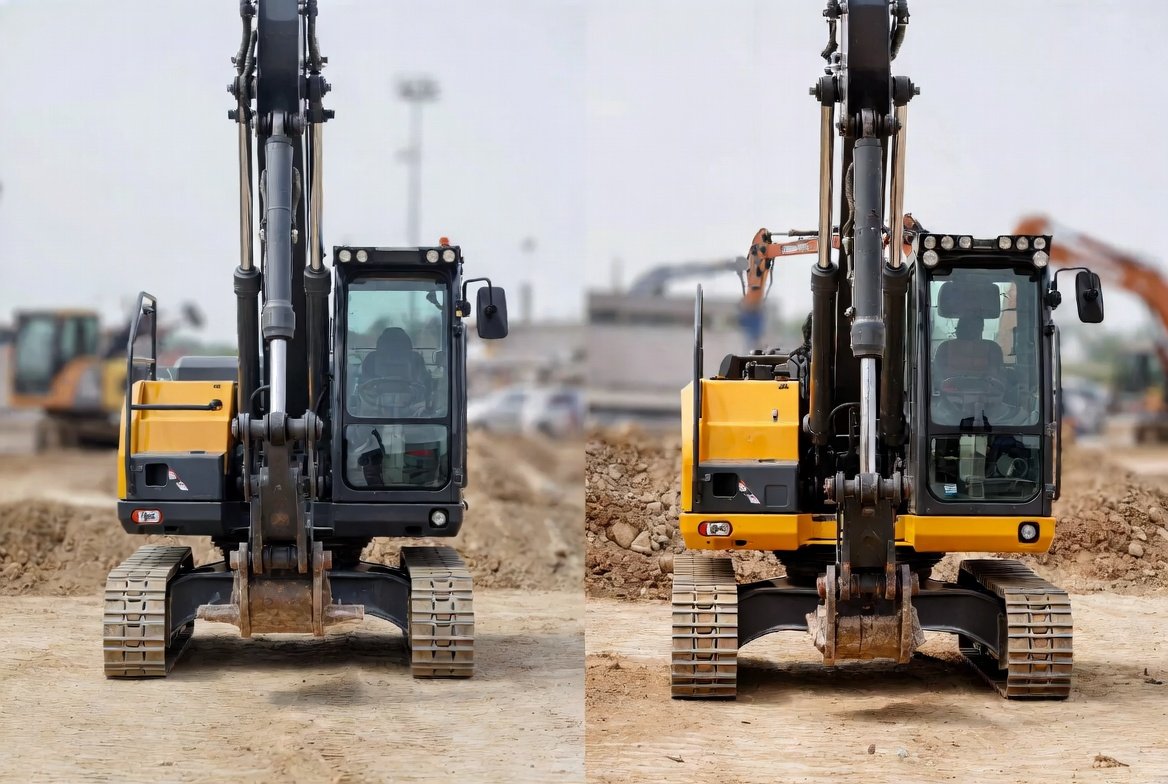
Both configurations can meet ROPS and FOPS (Falling Object Protective Structure) standards when properly designed and certified. An enclosed cab does not automatically mean better rollover protection – the structural integrity of the ROPS/FOPS frame is what matters. However, an enclosed cab does provide additional protection against weather-related hazards and flying debris.
When to Choose Each Option
Choose open canopy when budget is tight, work is primarily in mild weather, visibility and communication with ground crew are priorities, or the machine is used only intermittently.
Choose enclosed cab when operators work long shifts, the climate is extreme (hot, cold, or wet), dust or noise is a major concern, or operator comfort and retention are important business factors.
Key Takeaways
Open canopy machines are simpler and less expensive but expose the operator to the elements. Enclosed cabs cost more but deliver significantly better comfort, noise reduction, and weather protection, which often translates into higher productivity and lower operator fatigue. The right choice depends on climate, shift length, budget, and how the machine will actually be used day to day.
This article is part of the Heavy Machinery Learning Center – Machinery Basics series.
Get More Expert Guides & Updates
Subscribe for Machinery.org guide updates and product learning content.