
The term kubota skid steer sounds simple, but buyers do not always mean the same thing when they search it. Some want a skid steer made by Kubota. Others are really looking for a skid steer that uses a Kubota diesel engine. That second meaning is important, especially in the compact loader market, where the engine name often gives buyers confidence before they even look at the full machine.
For a basic buyer guide, the better way to explain this topic is to focus on what matters most: engine trust, machine size, daily use, hydraulics, and job fit. That gives the reader something useful instead of turning the blog into a list of brand names.
What kubota skid steer usually means
When a buyer searches for a kubota skid steer, the search is often about reliability more than branding. The buyer may want a compact skid steer with a diesel engine that already has a strong name in equipment. That is why this keyword can point in two directions at once. One direction is a Kubota-branded loader. The other is a loader from another brand that uses a Kubota engine.
That difference matters because the buying decision should not stop at the word Kubota. A skid steer is a complete machine. The engine matters, but so do the frame, hydraulic system, controls, cooling setup, service access, and how the machine handles attachments. A smart buyer looks at the full package, not only the engine badge.
A good example of this on your own equipment side is the TYPHON Stomp V1000, which Machinery.org lists as a 24HP Kubota D1105 water-cooled diesel skid steer. That shows how the keyword can match a machine that is not sold as a Kubota loader, while still giving the buyer the engine they were hoping to find.
Kubota engine and machine brand are not the same
This is the first thing beginners should understand.
A Kubota engine is one part of the machine. A Kubota-branded skid steer is the full machine sold under Kubota’s own loader line. Those are different things. A buyer can still get a compact skid steer with a Kubota diesel engine even if the machine itself is sold under another brand name. That is why this keyword can be confusing if the blog only talks about one side of the search.
This also explains why buyers use engine-based keywords so often. In compact equipment, the engine is one of the easiest parts to trust from the start. Many buyers may not know every detail about hydraulic flow, lift design, or cooling layout yet, but they do know that a known engine name feels safer than an unknown one.
That does not mean every Kubota-powered skid steer is automatically a great machine. It just means the engine gives the machine a stronger starting point in the buyer’s mind. The rest still has to be checked carefully.
Why buyers like Kubota-powered skid steers
Buyers usually like Kubota-powered skid steers for one simple reason: they want a small machine that feels dependable.
The official Kubota engine page for the D1105-E4B lists it as a 3-cylinder, water-cooled, 4-cycle diesel engine with 1.123 liters displacement, 18.5 kW / 24.8 HP at 3000 rpm, and 71.5 Nm maximum torque at 2200 rpm. Those are solid numbers for compact equipment where steady diesel power matters more than chasing large horsepower claims.
In simple terms, that kind of engine fits the kind of work many small skid steers do every day. It is not about showing off. It is about running consistently, handling repeated starts and stops, and giving enough diesel power for loader work and attachment work in a compact machine.
For a beginner buyer, that matters a lot. A compact skid steer often gets used across many small jobs in one week. One day it may move soil. Another day it may clean a site, carry pallets, or run an auger. A stable diesel engine helps the machine feel more useful across those different tasks.
Another point is cooling. Kubota lists the D1105 as water-cooled, and that matters because compact machines can work hard in hot and dusty conditions. Good cooling does not guarantee a perfect machine, but it is still one of the things buyers like to see in this class.
Where this type of skid steer works best
A Kubota-powered compact skid steer makes the most sense when the work is practical, repeated, and space-limited.
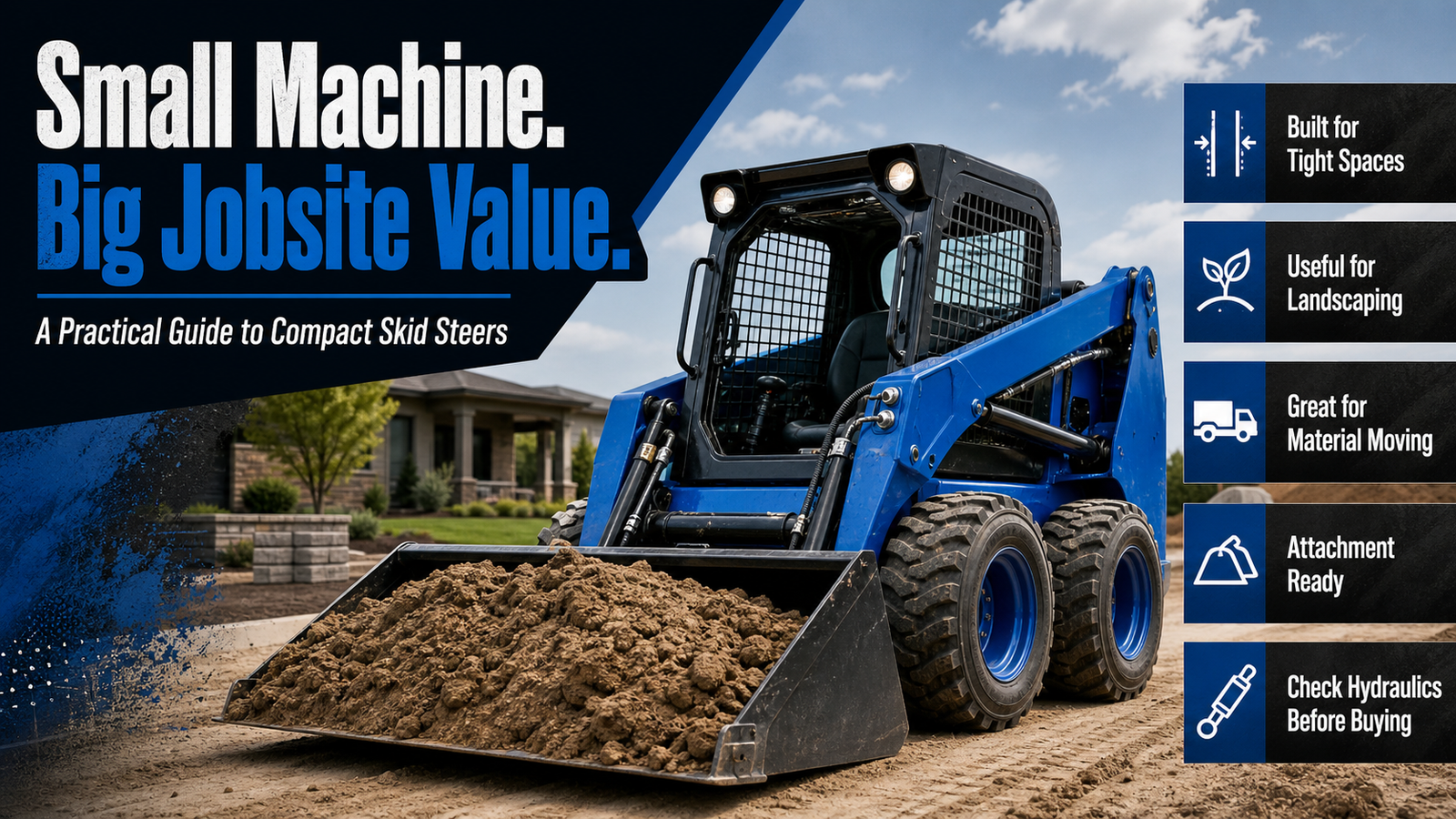
This type of machine usually fits landscaping, site cleanup, light construction, property maintenance, farm work, material moving, and attachment-based jobs. The real value comes from being small enough for tighter spaces while still having enough diesel strength to handle daily work.
That is why this kind of machine appeals to small contractors, business owners, rental users, and first-time equipment buyers. The machine does not need to be the biggest one on the site. It needs to be easy to use, easy to move, and useful on real jobs.
A mini skid steer with a Kubota engine can be especially attractive when the buyer wants a more compact footprint without dropping to a weaker-feeling machine. That is part of the reason the Typhon V1000 product angle works well with this keyword. Machinery.org lists it directly under the skid steer section and identifies it with the Kubota D1105 water-cooled diesel engine, which matches the kind of buyer who cares about compact size and engine trust at the same time.
What to check before buying one
Before buying a skid steer in this category, keep the process simple and practical.
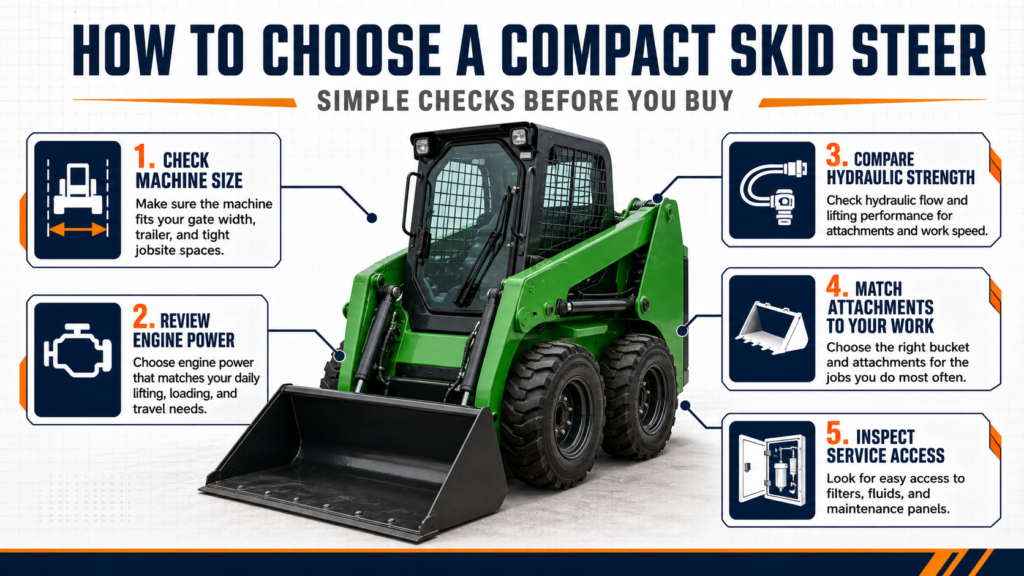
First, check the machine size. Make sure it fits your gates, work areas, trailer, and storage space. A skid steer can look good online and still be awkward for your actual site.
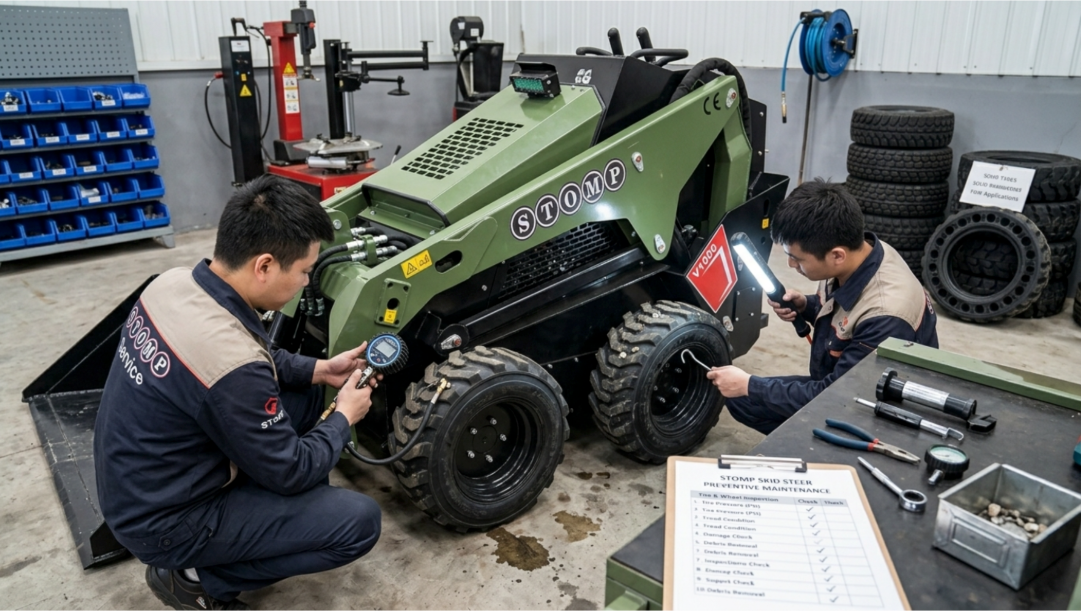
Second, check the engine setup, but do not stop there. Yes, a known Kubota diesel is a strong point. But the engine alone does not tell you how the whole machine feels. You still need to look at access for service, hose layout, cooling airflow, and how the machine behaves under load.
Third, check the hydraulic system. If your work involves attachments, hydraulics matter almost as much as the engine. A machine may have a good diesel engine and still disappoint if the hydraulic side is weak or not matched to your tools.
Fourth, think about maintenance and support. Buyers often focus on price first, but easy service access and parts support matter over time. A machine that is simple to maintain can save both money and frustration.
If you are buying used, inspect it slowly. Look for fluid leaks, weak starting, rough idle, unusual smoke, play in the pins, damaged hoses, and signs that the machine was worked hard without proper care. Basic checks tell you a lot.
Attachments and hydraulics matter too
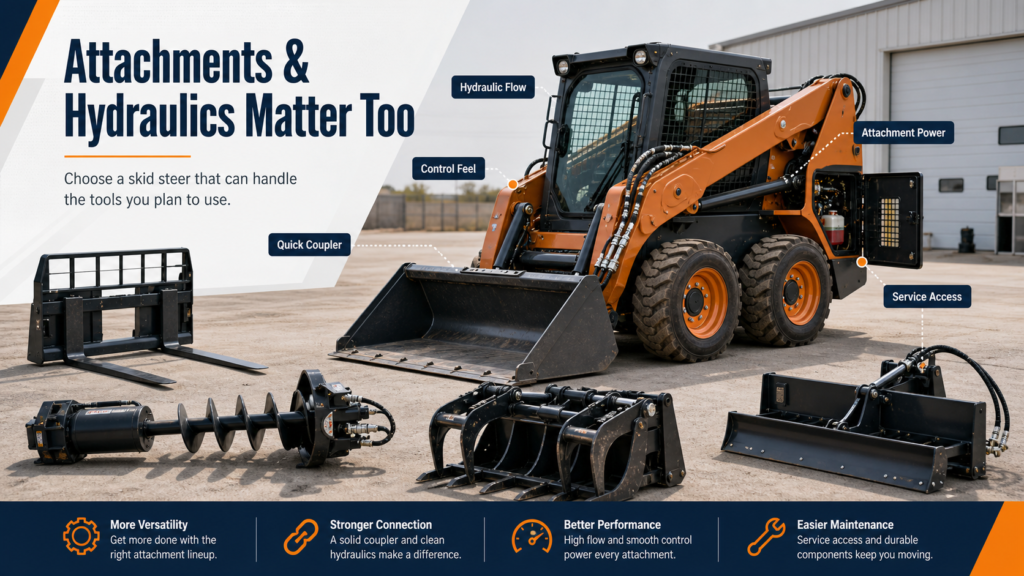
A skid steer becomes much more useful when it can run the right attachments. That is one of the main reasons buyers choose this type of machine in the first place.
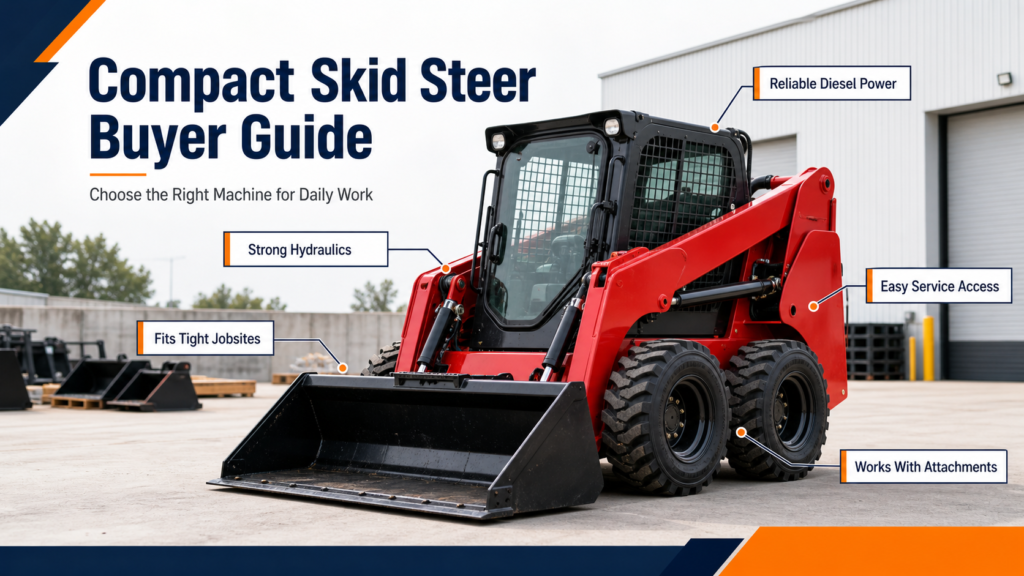
Buckets, pallet forks, augers, grapples, and grading tools can completely change what the machine can do. That is why it is not enough to ask only, “Does it have a Kubota engine?” A better question is, “Can this machine actually handle the work tools I plan to use?”
This is where hydraulics come in. The engine provides power, but the hydraulic system turns that power into real attachment performance. If the machine is going to spend a lot of time using hydraulic tools, then hydraulic flow, control feel, and overall balance become very important.
Daily usability matters too. A compact skid steer should be easy to get into, easy to control, and easy to see out of. Small details like visibility, simple controls, and quick service points can make a machine feel much better over time. That is why a smart buyer should never focus only on horsepower.
Is this the right skid steer for your work?
If your goal is a compact machine for everyday jobs, a Kubota-powered skid steer can be a very sensible option.
It makes sense for buyers who want a known diesel engine, compact size, and the ability to do different kinds of work with one machine. It also makes sense for buyers who want something practical rather than oversized.
Still, the keyword should not make the final decision for you. The right skid steer is the one that fits your work, your budget, your jobsite size, and your attachment needs. The engine is important, but it is only one part of the full machine.
That is the basic truth behind this keyword. Kubota skid steer is often less about one exact machine brand and more about a buyer looking for a compact loader with a trusted diesel engine and solid day-to-day usefulness.
Conclusion
Kubota skid steer is a strong keyword because it connects with what many buyers care about first: engine trust.
The better way to shop is simple. Look at the full machine. Check the engine, hydraulics, size, service access, and attachment use. If those parts fit your work, then a Kubota-powered skid steer can be a very smart choice.