
Match the attachment to the task, material, and site conditions.
SEO title
Best Skid Steer Attachments for Construction
URL slug
/best-skid-steer-attachments-for-construction/
Meta description
Explore skid steer attachments for site preparation, concrete breaking, trenching, pallet handling, grading, cleanup, drilling, and pavement repair.
Construction sites reward equipment that can change roles quickly. A skid steer may move aggregate in the morning, unload block before lunch, sweep a finished area in the afternoon, and support trenching or demolition the next day. The loader’s compact size and quick-attach system make this possible, but only when the attachments are selected correctly. A poorly matched tool can reduce capacity, overheat the hydraulic system, create unsafe visibility, or produce work that must be repeated.
The best construction attachment is therefore task-specific. The attachment should match the material, required production rate, site access, hydraulic capability, and finish standard. A general-purpose bucket is useful on nearly every project, but it cannot replace a breaker for concrete, a trencher for narrow utility cuts, or a cold planer for controlled pavement removal. Specialized tools create value by completing a job faster and with less manual labor than a general attachment.
This guide reviews the construction attachments that usually provide the greatest value and explains how to evaluate compatibility, safety, and return on investment.
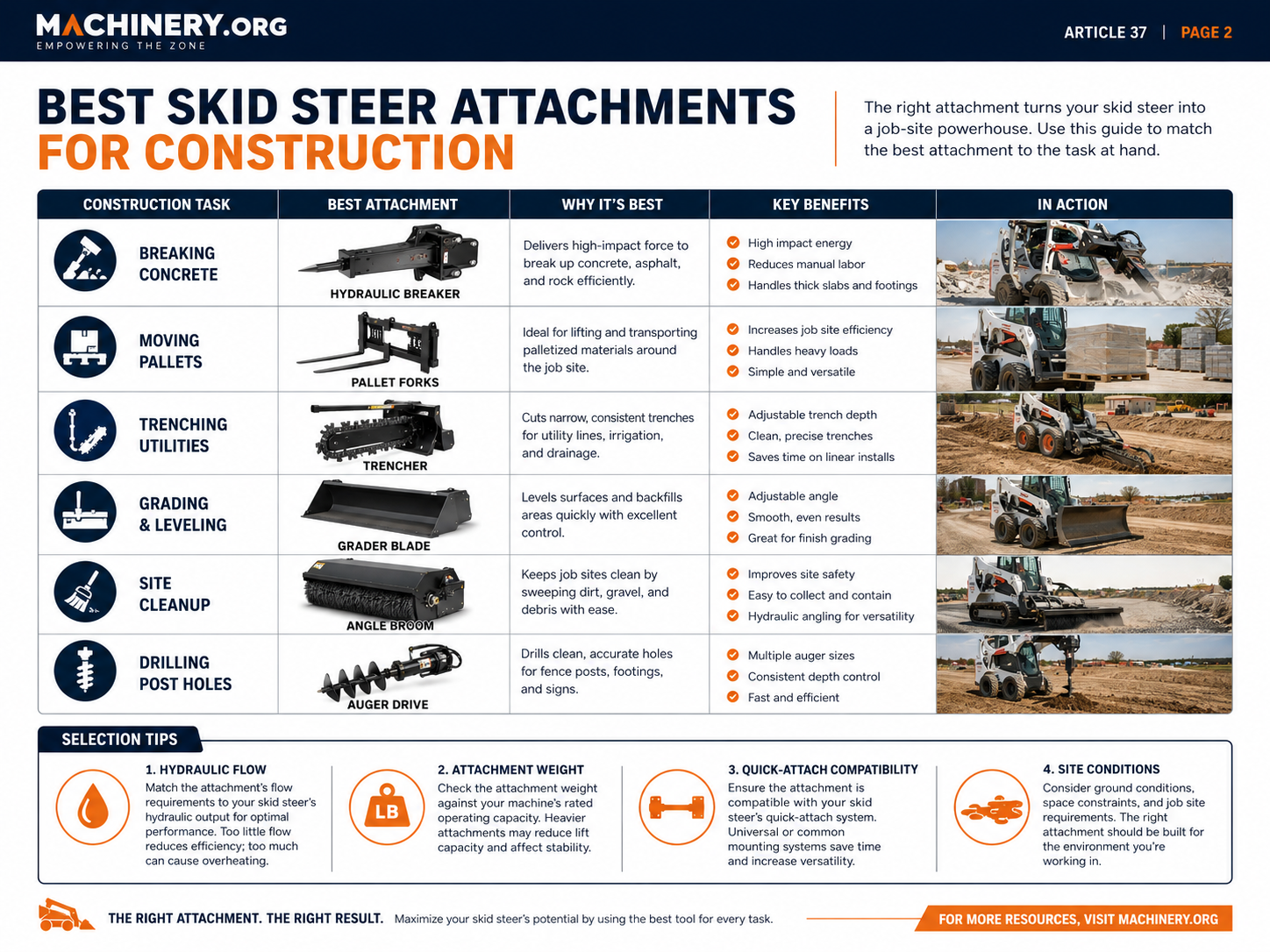
Figure 37.1. Machinery.org overview of core skid steer attachments used for construction and site support.
General-purpose and specialty buckets
A general-purpose bucket remains the foundation of a construction attachment fleet. It moves soil, sand, gravel, and debris, assists with backfilling, and performs rough grading. Bucket construction should match the material. Light material buckets provide volume but are not intended for dense aggregate. Severe-duty buckets use stronger floors, side plates, and cutting edges for abrasive applications. Tooth buckets improve penetration in hard ground, while smooth cutting edges are often preferred for cleanup and back-dragging.
Bucket width and weight must be balanced against capacity. A wide bucket may cover the machine’s tire path and improve grading, but it also increases attachment weight and resistance. The operator should avoid filling a large bucket with dense material simply because the volume is available. The safe load is controlled by material density, load position, and the skid steer’s rated capacity.
Pallet forks for jobsite logistics
Pallet forks allow a skid steer to unload and distribute block, brick, lumber, pipe, bagged material, and jobsite supplies. Fork length and frame width should match typical loads, and the load backrest should provide appropriate support. The operator must understand load center. A load carried far forward can reduce practical capacity dramatically even when the total weight appears acceptable.
Good fork operation depends on visibility and ground condition. Travel with the load low, tilt it back only enough to stabilize it, and avoid sharp turns. On rough sites, secure loose material and use a spotter when the operator cannot see the load or travel path clearly.
Hydraulic breakers for demolition support
A hydraulic breaker turns a skid steer into a compact demolition tool for concrete slabs, asphalt, curbs, rock, and small foundations. Breaker selection depends on carrier weight, hydraulic flow and pressure, tool diameter, and material hardness. An oversized breaker can damage the loader or create poor control. An undersized breaker may require excessive operating time and encourage the operator to pry with the tool, which can damage the breaker.
Productive breaker operation uses controlled, perpendicular blows and regular repositioning. The operator should not hammer continuously in one spot after the material stops responding. Greasing requirements, tool condition, hose routing, and attachment pins should be checked carefully. Hearing, eye, and debris protection are also essential.
Trenchers and augers
Trenchers are useful for utilities, drainage, irrigation, and conduit because they create a narrow, consistent cut. The chain, teeth, boom depth, and side-shift arrangement should match the work. Utility location is mandatory before cutting. The operator should allow the chain to work at a steady rate rather than pushing the loader faster than the attachment can remove material.
Augers drill holes for posts, piers, signs, and temporary structures. Required torque increases with bit diameter and difficult soil. Extension use changes leverage and stability, so deep drilling should be planned carefully. A bit should be raised periodically to clear spoil instead of being forced deeper until it binds.
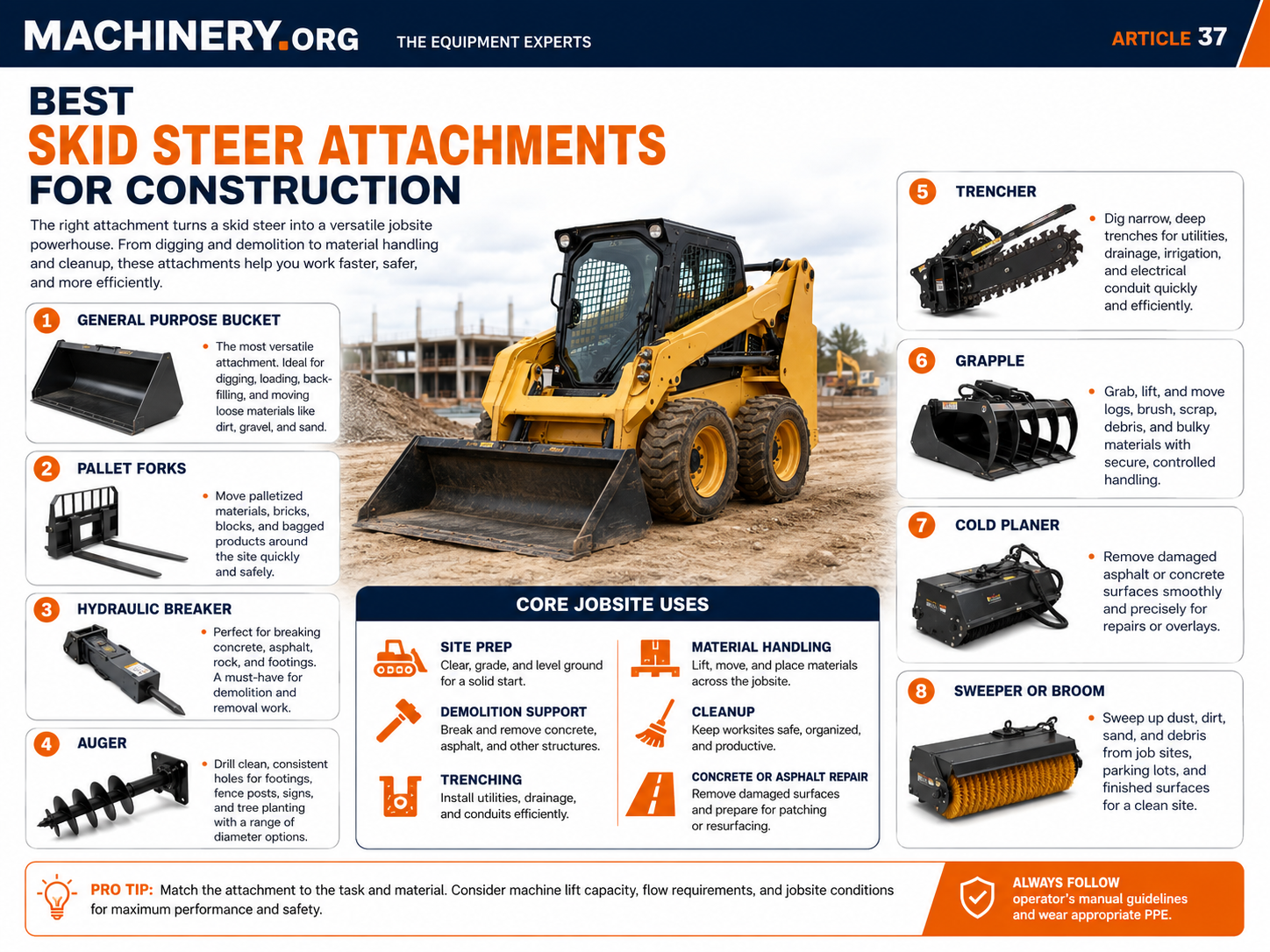
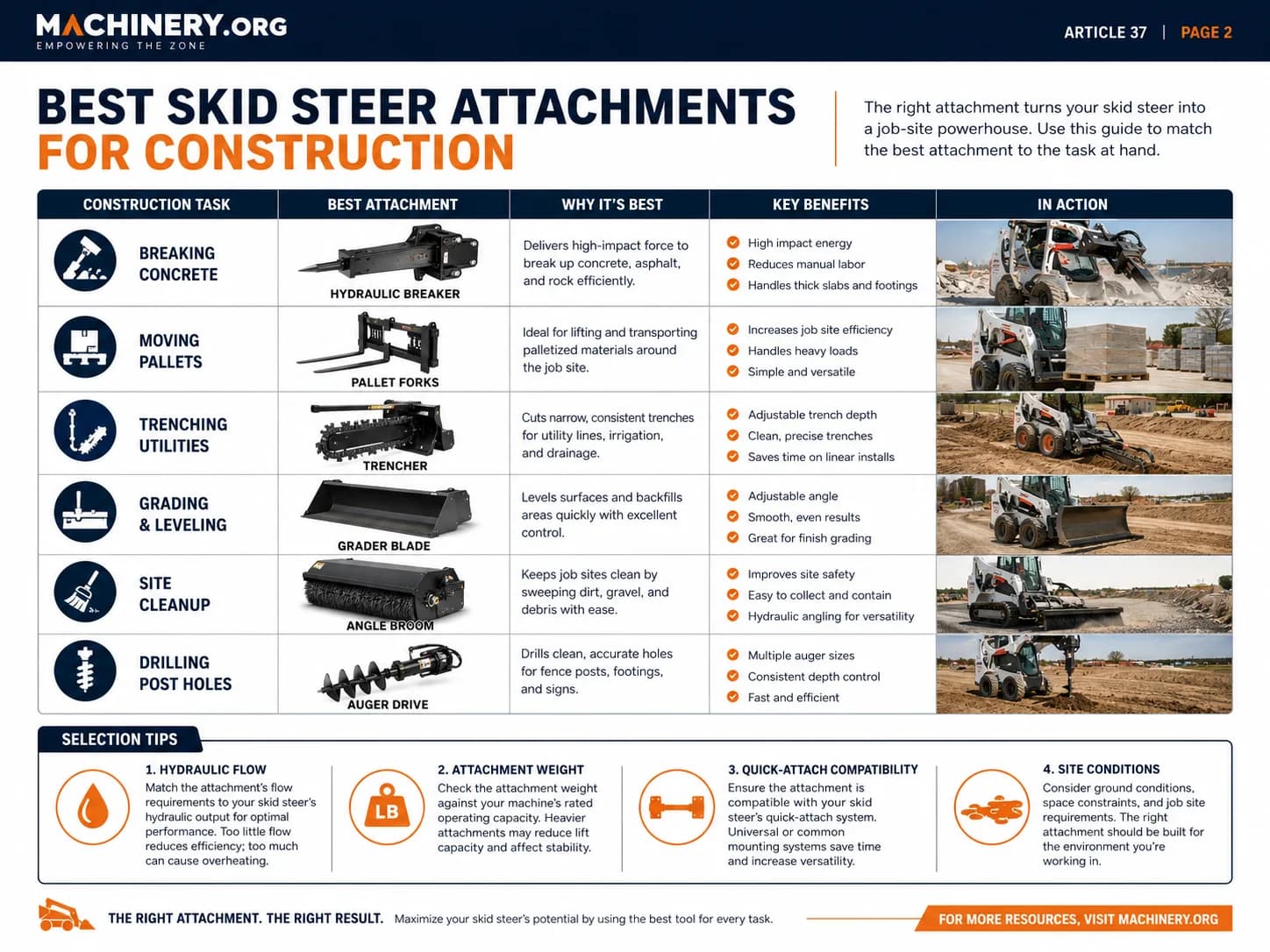
Figure 37.2. Construction-task matrix matching breaking, pallet movement, trenching, grading, cleanup, and drilling to suitable attachments.
Grapples for debris and demolition material
Grapples improve control when handling scrap, lumber, concrete pieces, brush, and mixed demolition material. Open-tine designs separate soil and fine material. Solid-bottom grapples contain smaller debris. Attachment weight, jaw opening, tine shape, and visibility all affect usefulness. Sharp or unstable debris should be clamped securely and carried low.
Cold planers and surface preparation
A cold planer removes damaged asphalt or concrete to a controlled depth. It is useful for patch preparation, utility repairs, transitions, and resurfacing. These attachments can require high hydraulic flow and may produce substantial dust and debris. The skid steer must have the correct hydraulic package, adequate capacity, and appropriate guarding. Water or dust-control systems may be required by the application.
Sweepers and angle brooms
Construction cleanup affects safety, productivity, and customer perception. A sweeper or angle broom removes dust, gravel, sand, and loose debris from parking areas, roads, slabs, and finished surfaces. Pickup sweepers contain material, while angle brooms windrow it for later collection. Bristle type, broom width, hydraulic requirements, and debris control should be evaluated before purchase.
Selection checklist
Define the construction task and the material that must be cut, lifted, broken, or moved.
Confirm attachment weight and how it changes remaining lift capacity.
Match hydraulic flow, pressure, electrical controls, and coupler requirements.
Check access limits, visibility, ground condition, and transport dimensions.
Review guarding, PPE, exclusion zones, and operator training needs.
Measuring return on investment
Construction attachments should be evaluated by cost per completed task rather than purchase price alone. A breaker may eliminate a separate machine rental. A trencher may replace extensive hand labor. Pallet forks may reduce unloading time and keep a delivery truck from waiting. Record production time, labor saved, rental avoided, fuel use, wear, and maintenance. These measurements reveal whether the attachment is producing real value.
Utilization can be improved by standardizing couplers, hose fittings, and control connections across the fleet. Storage racks and clear identification reduce damage and changeover time. Operators should be trained to inspect the mount, lock pins, hoses, and safety devices every time an attachment is installed. Fast changeover is valuable only when the connection is complete and safe.
Frequently Asked Questions
What construction attachment provides the broadest value?
A durable, correctly sized bucket is the most broadly useful, followed by pallet forks for many mixed construction fleets.
Does a hydraulic breaker require high flow?
Some breakers operate on standard flow, while others require different flow or pressure ranges. The carrier and attachment specifications must be compared directly.
Can a skid steer replace an excavator for trenching?
A trencher can be very efficient for narrow, consistent trenches, but an excavator remains more flexible for irregular excavation, deep work, and obstacle removal.
Key Takeaway
A skid steer becomes a construction system when every attachment is chosen for a defined task. Compatibility, operator control, and cost per completed job matter more than owning the largest possible collection of tools.
Publishing note: Confirm model-specific specifications, service intervals, attachment requirements, and applicable safety rules before publication or field use.
Get More Expert Guides & Updates
Subscribe for Machinery.org guide updates and product learning content.