
Turn one loader into a complete landscaping work system.
SEO title
Best Skid Steer Attachments for Landscaping
URL slug
/best-skid-steer-attachments-for-landscaping/
Meta description
Compare the best skid steer attachments for grading, trenching, planting, brush clearing, soil preparation, and landscape material handling.
A skid steer loader becomes much more valuable when its attachments are selected around the landscaping jobs that actually generate revenue. The machine itself provides mobility, hydraulic power, lifting ability, and a universal mounting platform. The attachment determines what the operator can accomplish. A contractor who owns only a bucket can move soil and mulch, but a contractor with a carefully chosen attachment package can grade yards, drill post holes, cut irrigation trenches, clear brush, prepare seedbeds, install materials, and finish sites with professional accuracy.
The best attachment is not always the largest, heaviest, or most expensive option. It is the tool that matches the machine, the soil conditions, the expected production rate, and the finish required by the customer. Landscaping frequently combines delicate work around homes and lawns with demanding work in roots, rocks, compacted soil, and overgrown areas. That mix rewards attachments that provide precision without overloading the skid steer or damaging the site.
This guide explains the attachments that provide the greatest landscaping value, how to match each one to a task, and what compatibility checks should be completed before purchase. The goal is to help an owner build a useful attachment system rather than collect tools that spend most of their time unused.
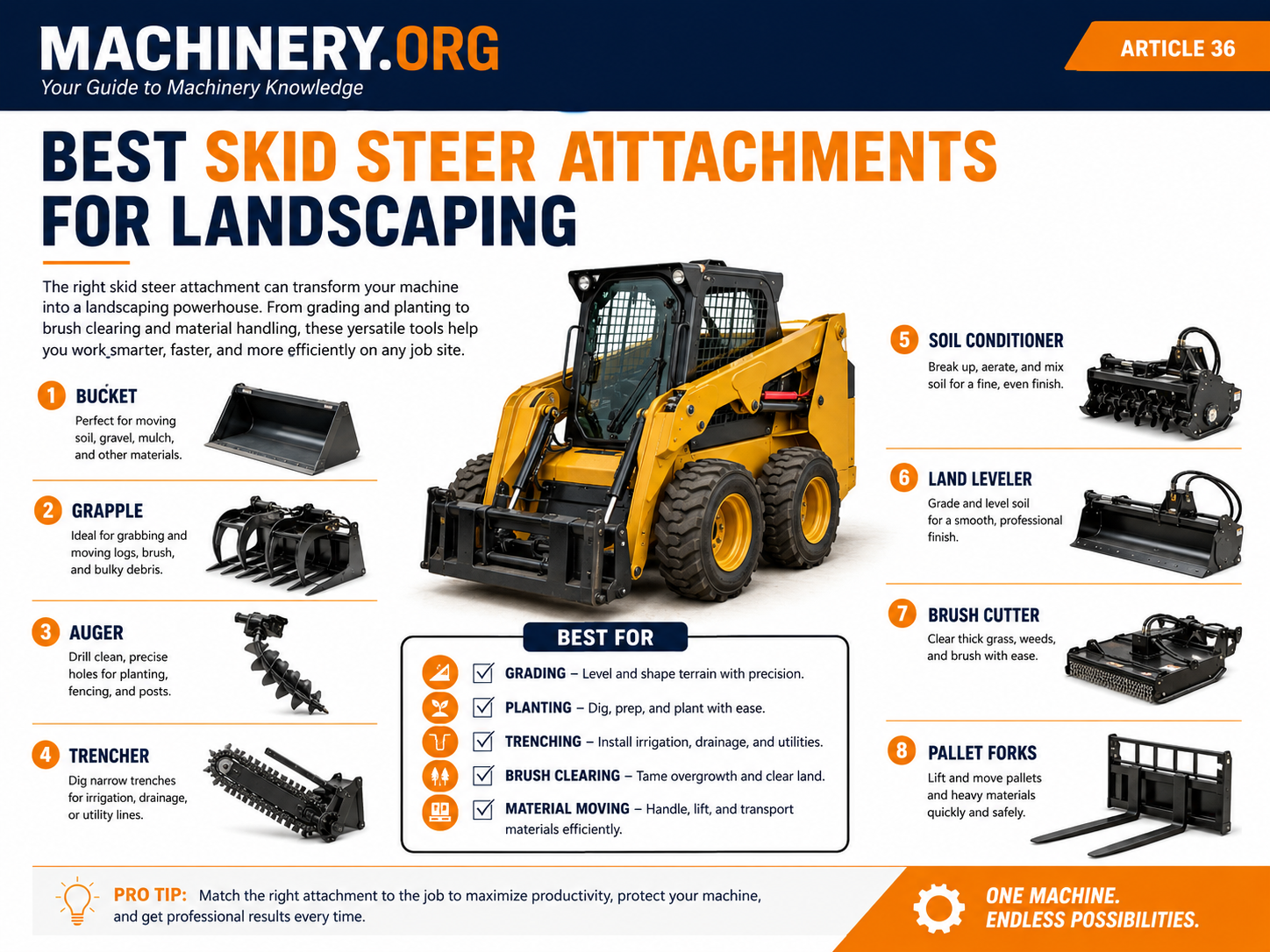
Figure 36.1. Machinery.org overview of eight high-value skid steer attachments used in landscaping work.
Start with the landscaping workflow
Before buying attachments, list the work your business performs during a normal month. Separate the work into major categories such as material movement, grading, digging, planting, vegetation clearing, drainage, and final cleanup. Then estimate how many hours are spent on each category. This prevents a common mistake: buying a specialized attachment because it looks impressive even though the company rarely performs the job it was designed to complete.
A general-purpose bucket is usually the first attachment because it supports almost every landscape project. It carries soil, gravel, mulch, compost, and debris. It can also back-drag loose material and perform rough grading. The best bucket width should cover the tire or track footprint without becoming so wide that it reduces breakout performance. For dense soil or stone, a reinforced bucket with an appropriate cutting edge may be more useful than a light material bucket.
Grapples for brush, logs, and irregular material
A grapple is one of the most valuable additions for contractors who perform clearing, tree work, storm cleanup, or property restoration. Unlike a standard bucket, a grapple secures the load so branches, roots, rocks, and demolition debris do not roll out during travel. An open-tine brush grapple allows loose soil to fall through while retaining larger material. A solid-bottom grapple is more suitable when the operator must contain mixed debris or smaller pieces.
The grapple should be matched to the skid steer’s rated operating capacity and hydraulic configuration. A heavy grapple reduces the remaining capacity available for the actual load. Long logs and root balls also move the load center farther from the machine, increasing the effect on stability. Operators should carry loads low, avoid sudden turns, and never assume that a securely clamped object is automatically within the machine’s safe capacity.
Augers and trenchers for installation work
An auger turns the skid steer into an efficient hole-drilling machine for fences, signs, deck footings, trees, and landscape structures. Bit diameter, soil type, required depth, and auxiliary hydraulic performance determine productivity. A bit that works well in clean soil may struggle in rock or heavy clay. Contractors who frequently encounter difficult ground may need specialized teeth, pilot points, or higher-torque drive units.
A trencher creates narrow, consistent cuts for irrigation, drainage, lighting, and utility sleeves. It can reduce surface disturbance compared with excavating a wide trench with a bucket. Chain type and tooth pattern should be selected for the soil. The operator must identify underground utilities before work, maintain a controlled travel speed, and avoid forcing the chain when rocks or roots prevent normal cutting.
Soil conditioners, rakes, and land levelers
Finish preparation often determines whether a landscaping project looks professional. Soil conditioners pulverize clods, remove small debris, and create a uniform surface for seed or sod. Landscape rakes gather stones, roots, and loose debris while smoothing the upper layer. Land levelers and grader blades help shape driveways, yards, and drainage areas. These attachments are especially valuable when labor savings and finish quality matter more than simply moving large volumes of material.
The operator should choose the attachment based on the required finish. A land leveler may be ideal for spreading and smoothing imported soil, while a soil conditioner is better when the existing ground must be loosened and refined. A rake is useful when debris separation is the primary goal. Using the wrong finishing attachment can create extra passes and increase compaction, fuel use, and surface damage.
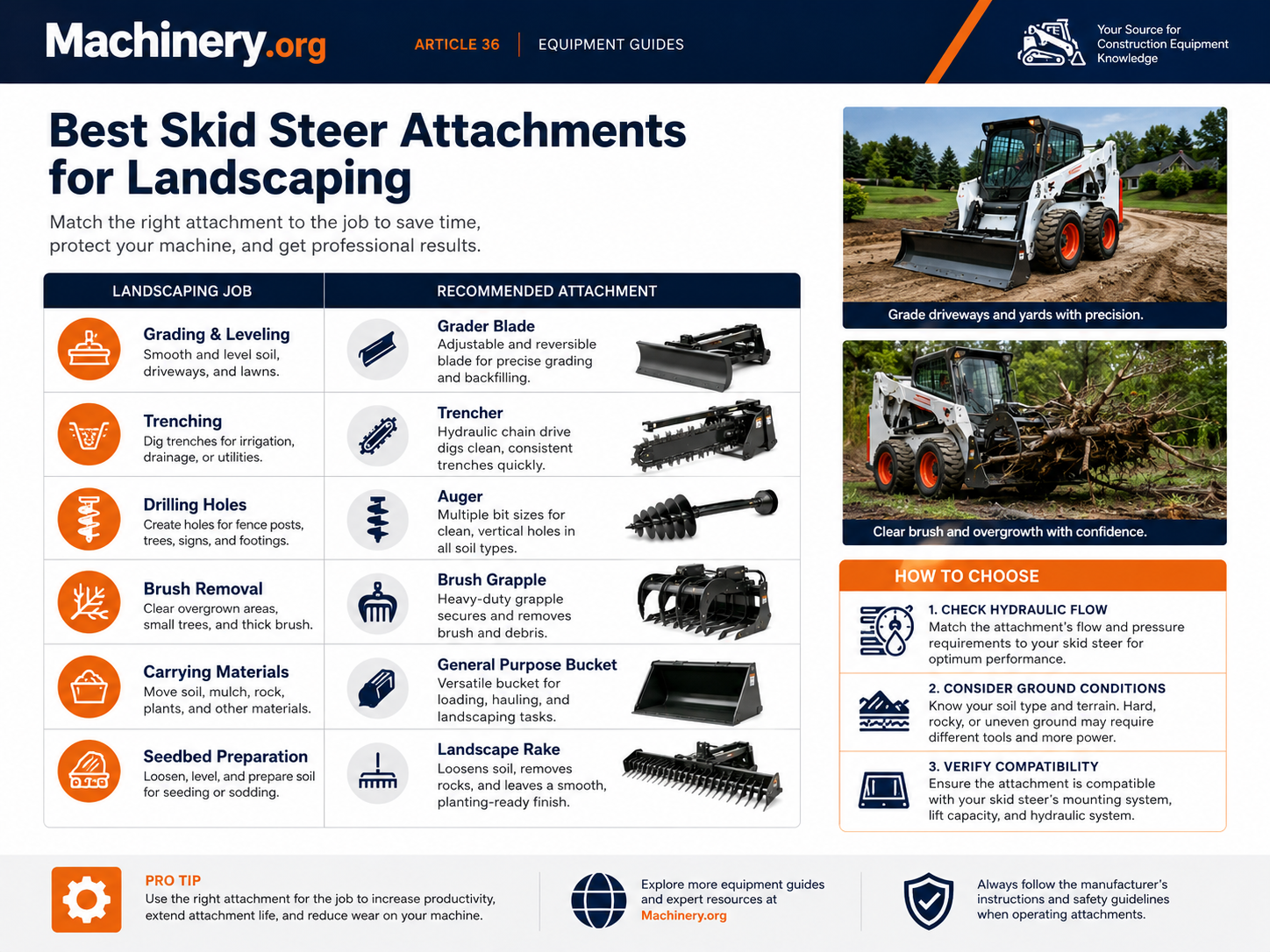
Figure 36.2. Task-to-attachment guide for grading, trenching, drilling, brush removal, material carrying, and seedbed preparation.
Brush cutters and vegetation management
A brush cutter allows a skid steer to clear grass, weeds, saplings, and overgrown vegetation quickly. It is also one of the attachments that requires the most careful hydraulic and safety evaluation. The attachment’s required flow range must match the machine, and the loader must have the guarding recommended for the cutting application. Flying debris can travel far from the machine, so the work area must be controlled and people must remain outside the hazard zone.
Cutting capacity should be treated as a real limit, not a marketing suggestion. Repeatedly forcing the cutter into material beyond its design can damage blades, carriers, motors, and the skid steer’s hydraulic system. The operator should inspect the deck, blades, hoses, and protective chains before every use and should approach unknown vegetation slowly enough to detect hidden rocks, wire, posts, or other obstacles.
Pallet forks for plants, stone, and supplies
Pallet forks are not only warehouse tools. Landscapers use them to unload pallets of sod, retaining-wall block, pavers, bagged material, trees, and equipment. Adjustable fork spacing improves versatility, while a visible load backrest helps the operator position loads. The rated capacity of the fork frame does not increase the skid steer’s capacity; the lower limit of the machine, fork frame, and load position controls the safe working load.
Compatibility checks before buying
Confirm the quick-attach interface locks completely and does not have excessive play.
Compare attachment weight with the skid steer’s rated operating capacity and planned load.
Verify auxiliary hydraulic flow, pressure, coupler size, and any case-drain requirement.
Check whether the application requires special guarding, electrical controls, or a door.
Confirm overall width, transport dimensions, visibility, and storage requirements.
Building a profitable attachment package
A practical starting package for a general landscaping company often includes a bucket, pallet forks, grapple, and either an auger or grading attachment. The next purchase should be driven by work volume. A company that installs irrigation may gain more from a trencher, while a site-preparation contractor may earn a faster return from a soil conditioner or land leveler. Rental can be used to test a specialized attachment before ownership.
Track utilization and revenue for every attachment. Record hours used, jobs completed, maintenance expense, and labor saved. An attachment that reduces a two-day manual task to several machine hours may be highly profitable even if it is not used every week. By contrast, an inexpensive tool that creates poor results or repeated repairs may be a weak investment. The correct goal is not to own the most attachments; it is to own the attachments that reliably improve production and quality.
Frequently Asked Questions
Which landscaping attachment should be purchased first?
For most operators, a correctly sized general-purpose bucket is the first essential tool. The second purchase should match the company’s most frequent work, such as grading, brush handling, or drilling.
Can every skid steer operate a brush cutter?
No. Hydraulic flow, pressure, attachment weight, guarding, and manufacturer approval must all be checked.
Are pallet forks useful for landscaping?
Yes. They are valuable for sod, pavers, block, plants, bagged products, and other palletized materials.
Key Takeaway
The strongest landscaping attachment package is built around real jobs. Match each tool to the machine, the ground, and the finish required, then measure whether it saves labor, improves quality, and increases billable production.
Publishing note: Confirm model-specific specifications, service intervals, attachment requirements, and applicable safety rules before publication or field use.
Get More Expert Guides & Updates
Subscribe for Machinery.org guide updates and product learning content.