
Introduction
Snow season can turn a skid steer into one of the most useful machines on a property or jobsite, but only when the attachment matches the snow conditions, surface type, and production goals. Many people assume snow removal is simply a matter of pushing snow with whatever bucket happens to be on the machine. In reality, a skid steer equipped with the right snow attachment can clear faster, finish cleaner, protect pavement better, and reduce operator fatigue. That is why choosing the correct attachment matters as much as choosing the machine itself.
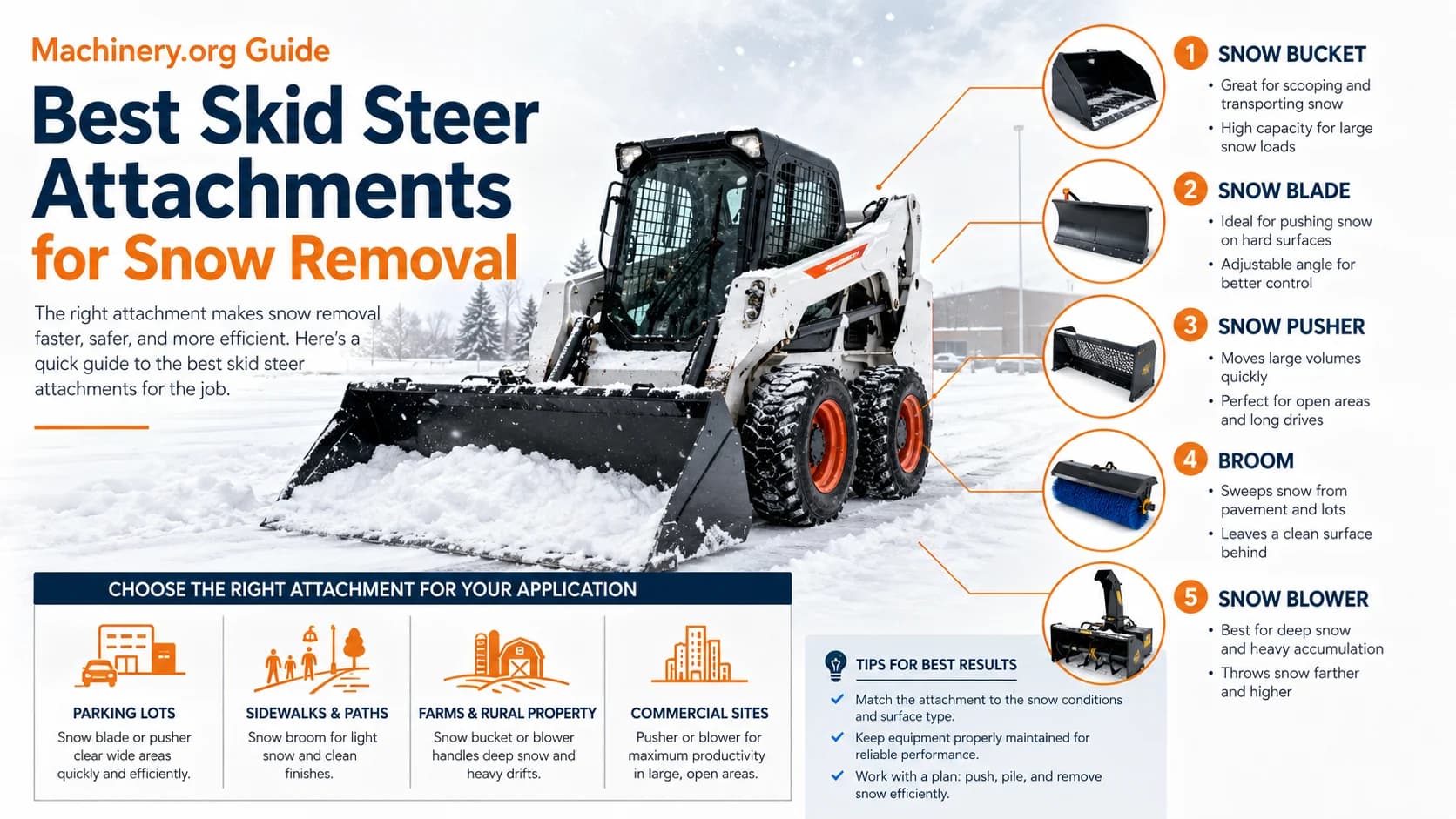
The most common snow-removal attachments include snow buckets, snow blades, snow pushers, rotary brooms, and snow blowers. Each one has a different strength. Buckets move and carry snow. Blades angle and push efficiently on many paved surfaces. Pushers move large volumes in open areas. Brooms help clean thin layers and improve surface finish. Snow blowers are ideal when snow must be thrown away from the work path or where piles would otherwise become a problem. The right mix depends on the site and the storms you face.
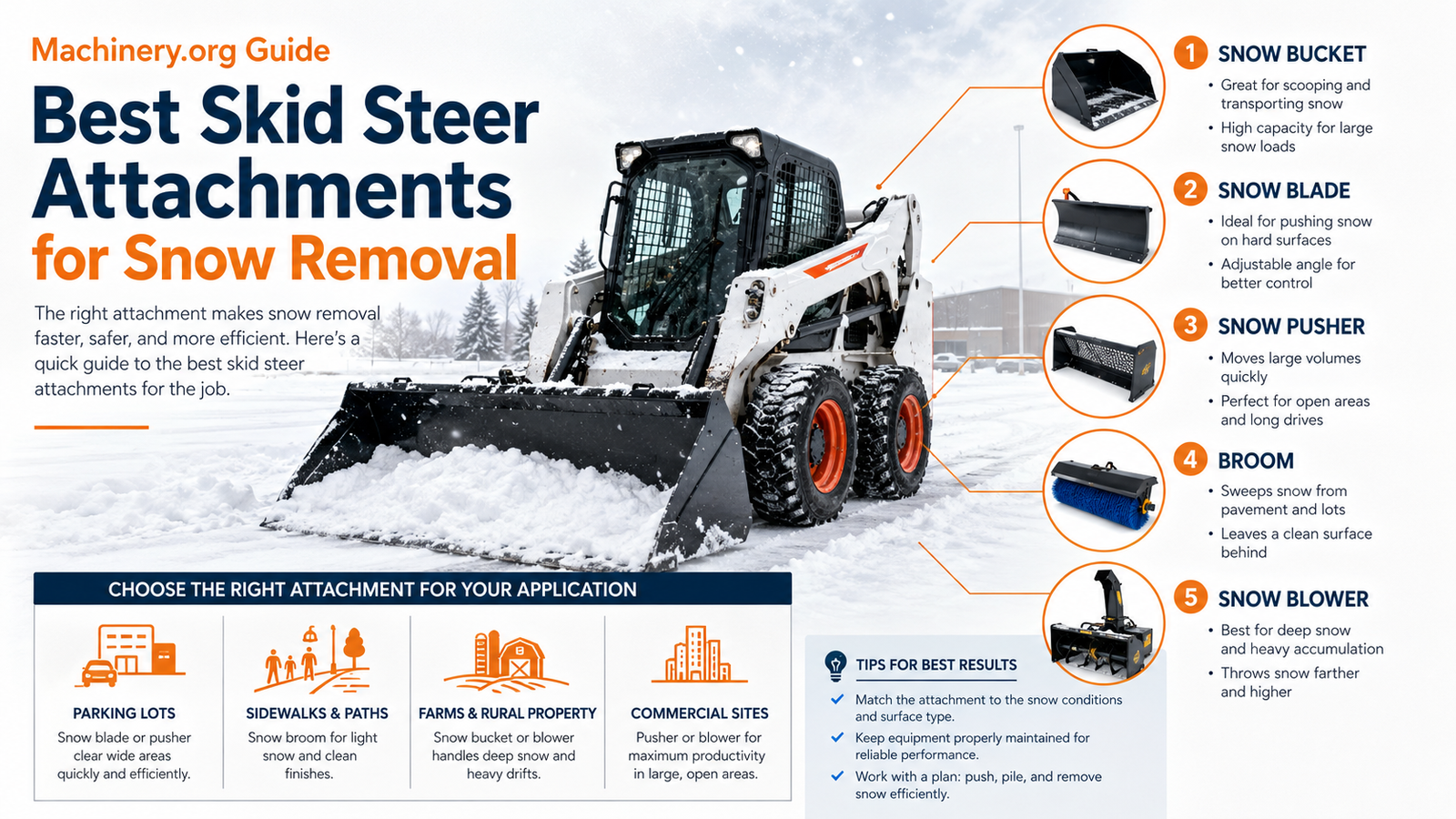
Figure 58.1 – Best skid steer attachments for snow removal.
Image Description: A winter guide image comparing snow buckets, snow blades, pushers, brooms, and snow blowers for skid steer use.
Attachment Selection by Site Type
A parking lot often rewards a blade or pusher because production matters and the operator needs to move snow to predictable pile zones quickly. Sidewalks, pathways, and paved plazas may benefit from a broom for lighter finishes or a smaller blade for directional control. Rural properties and farm lanes may favor a bucket or blower when drifts are deeper and space allows snow to be carried, stacked, or discharged more flexibly. Commercial sites with repeated snow events frequently rely on a mix of tools so they can adapt as snow depth and site congestion change.
Snow bucket: useful for scooping, stacking, and carrying snow where piles need to be moved.
Snow blade: strong choice for pushing snow on paved lots, lanes, and broader open surfaces.
Snow pusher: excellent for moving large volumes in open areas with high productivity.
Broom: ideal for light snow, cleanup work, and leaving a cleaner finished surface.
Snow blower: best for deep snow, narrow routes, or places where snow must be thrown away from the cleared area.
Winter Strategy and Safety
Snow work is not just about the front attachment. It is also about traction, route planning, visibility, and pace. Winter conditions reduce traction and can hide hazards such as curbs, drains, islands, and manhole covers. Operators need to inspect tires or tracks, verify lights and wipers, confirm machine warm-up procedures, and think carefully about pile locations before starting. A poor snow plan can slow the job, block sight lines, and create dangerous re-freeze problems after the work seems finished.
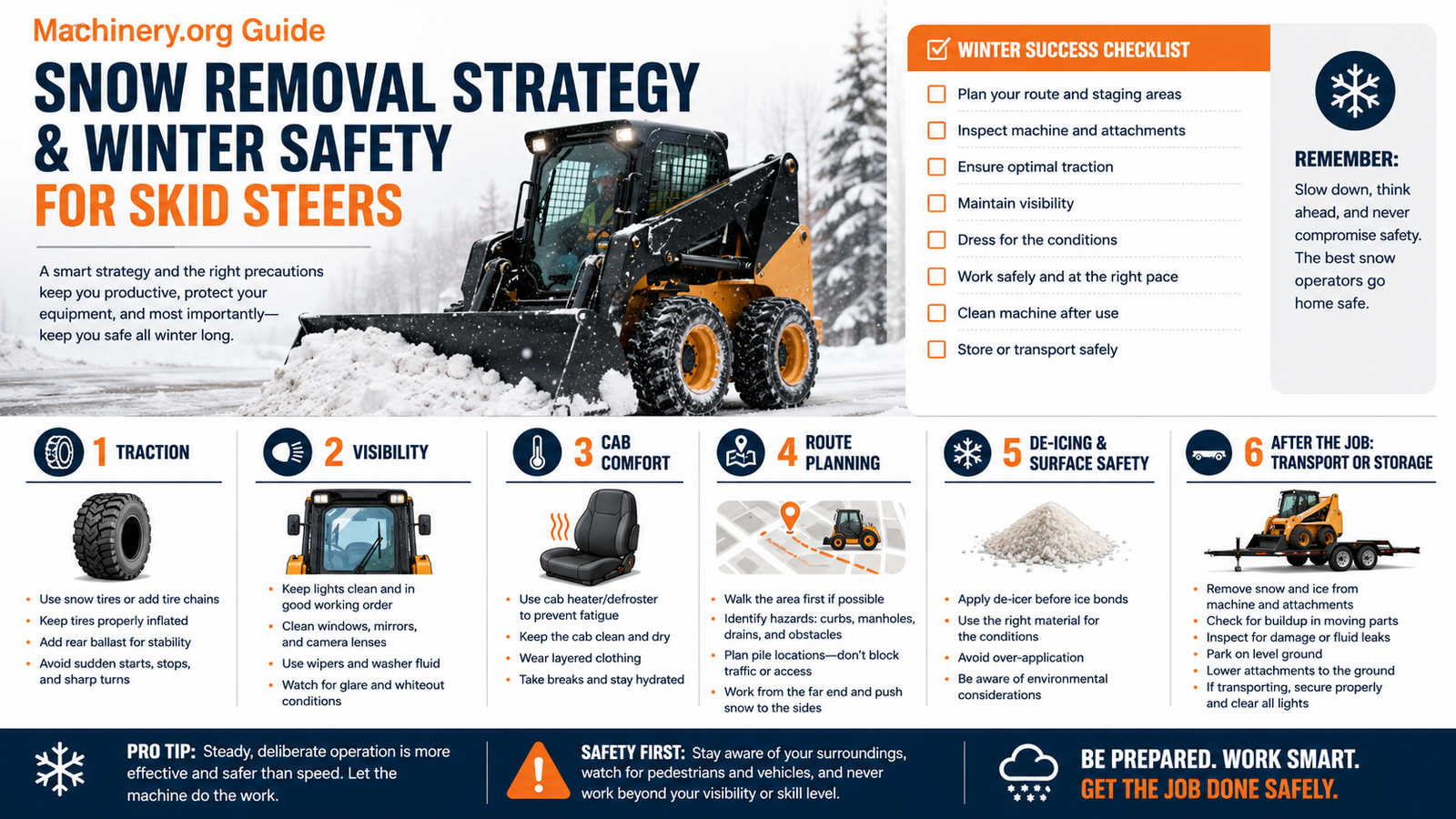
Figure 58.2 – Winter snow removal strategy and safety infographic.
Image Description: A winter operations infographic covering traction, visibility, route planning, de-icing, and safe transport or storage after snow work.
Building a Smarter Snow Workflow
Efficient operators usually follow a repeatable pattern. They begin by opening primary travel lanes and access points, then expand to larger areas, then clean edges and final surfaces. Snow is pushed or blown toward designated locations instead of simply moved randomly around the site. This matters because poorly placed snow piles consume parking, create runoff problems, and block visibility for vehicles and pedestrians. The attachment should support that workflow. For example, a pusher works well in broad open passes, while a blower becomes more valuable when snow needs to leave the travel lane entirely.
What Buyers Should Consider
When selecting a snow attachment, buyers should think about average snowfall, maximum snowfall, site shape, storage space for snow piles, machine hydraulic capability, and whether they need one attachment or a seasonal package. A small contractor may start with a blade and broom combination. A farm owner may choose a bucket and blower. A property manager with multiple lot types may keep more than one attachment available. The best setup is the one that balances productivity, versatility, and winter reliability.
Snow-Season Checklist
Plan where snow will be stacked or discharged before the storm begins.
Inspect machine lighting, visibility equipment, tires or tracks, and hydraulic hoses.
Match the attachment to both snow depth and surface type.
Work methodically and avoid over-speeding; steady operation is usually safer and more efficient.
Clean the machine after use and inspect for damage, leaks, or frozen buildup.
Frequently Asked Questions
What is the best all-around snow attachment?
A snow blade is often the most versatile starting point for paved lot work, but the best all-around choice still depends on snow depth, property layout, and whether snow must be carried, pushed, swept, or thrown.
When should I choose a snow blower?
Choose a snow blower when snow must be discharged away from the route, when pile space is limited, or when deep snow and repeated events make pushing alone inefficient.
Are buckets good for snow removal?
Yes. Buckets are useful for carrying, stacking, and relocating snow, especially on rural or mixed-use properties, though they may not be the fastest tool for large open paved areas.
Key Takeaway
The right snow attachment depends on site layout, snow depth, and where the snow must go. Match the tool to the property, pair it with a safe winter workflow, and productivity will improve dramatically.
Get More Expert Guides & Updates
Subscribe for Machinery.org guide updates and product learning content.