

Skid steers work in dust, mud, heat, cold, demolition debris, and repetitive loading cycles. Even a well-built machine will eventually develop wear, loose connections, clogged filters, damaged hoses, or electrical faults. The most expensive failures often begin with a small symptom that was ignored: a slow crank, a temperature gauge that runs slightly higher than normal, weak lift performance, one drive side that responds differently, or a damp hydraulic fitting. Recognizing these warnings early can prevent downtime and protect major components.
Troubleshooting should be systematic. Replacing parts based on guesses wastes time and can hide the real cause. Start by identifying the exact symptom, the conditions under which it appears, and whether the problem began suddenly or gradually. Check simple items first: fluid levels, filters, battery condition, safety interlocks, coupler engagement, visible damage, and fault messages. Then move toward more technical testing only when the basic checks do not explain the problem.
This guide covers the most common skid steer problems and gives owners a logical first-check process. It does not replace the operator or service manual. High-pressure hydraulic testing, electrical diagnosis, emissions-system repair, and internal engine or drive work should be handled by qualified technicians using model-specific information.
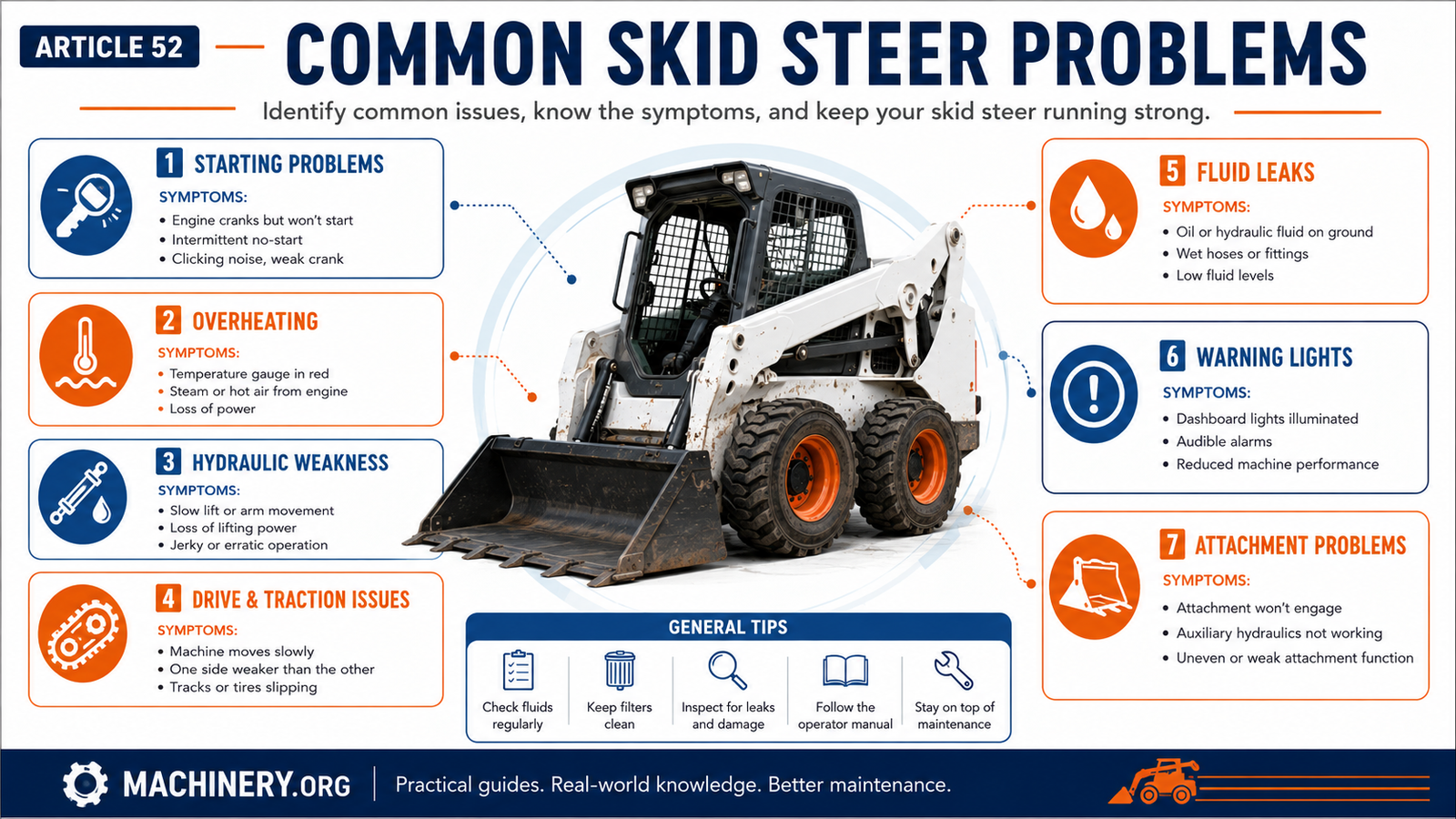
Figure 52.1. Common skid steer problems and the symptoms operators should recognize early.
Starting and no-start problems
A machine that will not start may have an electrical, fuel, safety-interlock, or engine problem. Listen carefully when the key is turned. A clicking sound or slow crank points toward the battery, terminals, cables, grounds, starter relay, or starter motor. No crank at all may indicate a safety bar, seat switch, neutral interlock, ignition switch, fuse, relay, or wiring fault. A normal crank with no start shifts attention toward fuel supply, shutoff solenoids, air in the fuel system, cold-start aids, or engine-management faults.
Begin with battery voltage, terminal cleanliness, and cable security. Confirm fuel level and check whether the fuel shutoff is open. Review the display for fault codes. Make sure the operator is seated correctly and all required interlocks are engaged. In cold conditions, follow the correct preheat procedure. Avoid repeated long cranking cycles because they can overheat the starter and discharge the battery.
Overheating
Overheating may affect the engine, hydraulic system, or both. Dust and debris can block radiator and oil-cooler fins quickly, especially during mowing, demolition, or dusty grading. Low coolant, a failed fan, damaged belt, incorrect coolant mixture, blocked airflow, excessive hydraulic demand, or a sticking thermostat may also raise temperature. Stop work when the gauge enters the danger range. Continuing to operate can damage seals, oil, hoses, cylinder heads, and other expensive components.
After the machine cools safely, inspect fluid levels, screens, fan operation, and airflow. Never remove a hot radiator cap. If cleaning and basic fluid checks do not solve the problem, pressure testing, thermostat inspection, cooling-system diagnosis, or hydraulic efficiency testing may be required.
Weak or slow hydraulics
Weak lift arms, slow bucket response, or poor attachment speed can result from low fluid, contaminated oil, restricted filters, partially connected couplers, worn pumps, relief-valve issues, internal cylinder leakage, or an attachment that requires more flow than the machine provides. Determine whether every hydraulic function is weak or only one circuit. A single weak function may point toward a valve, cylinder, hose, or attachment problem. System-wide weakness suggests a supply, pump, filter, or pressure issue.
Drive and traction problems
A skid steer that pulls to one side, travels slowly, slips, or makes abnormal drive noise may have tire-pressure differences, track-tension problems, brake drag, drive-chain or belt wear, hydraulic motor issues, low fluid, or control calibration faults. Start with the simple mechanical checks. Confirm equal tire sizes and pressure. Inspect tracks, rollers, sprockets, chains, and undercarriage condition. Make sure the parking brake releases completely and no debris is interfering with movement.
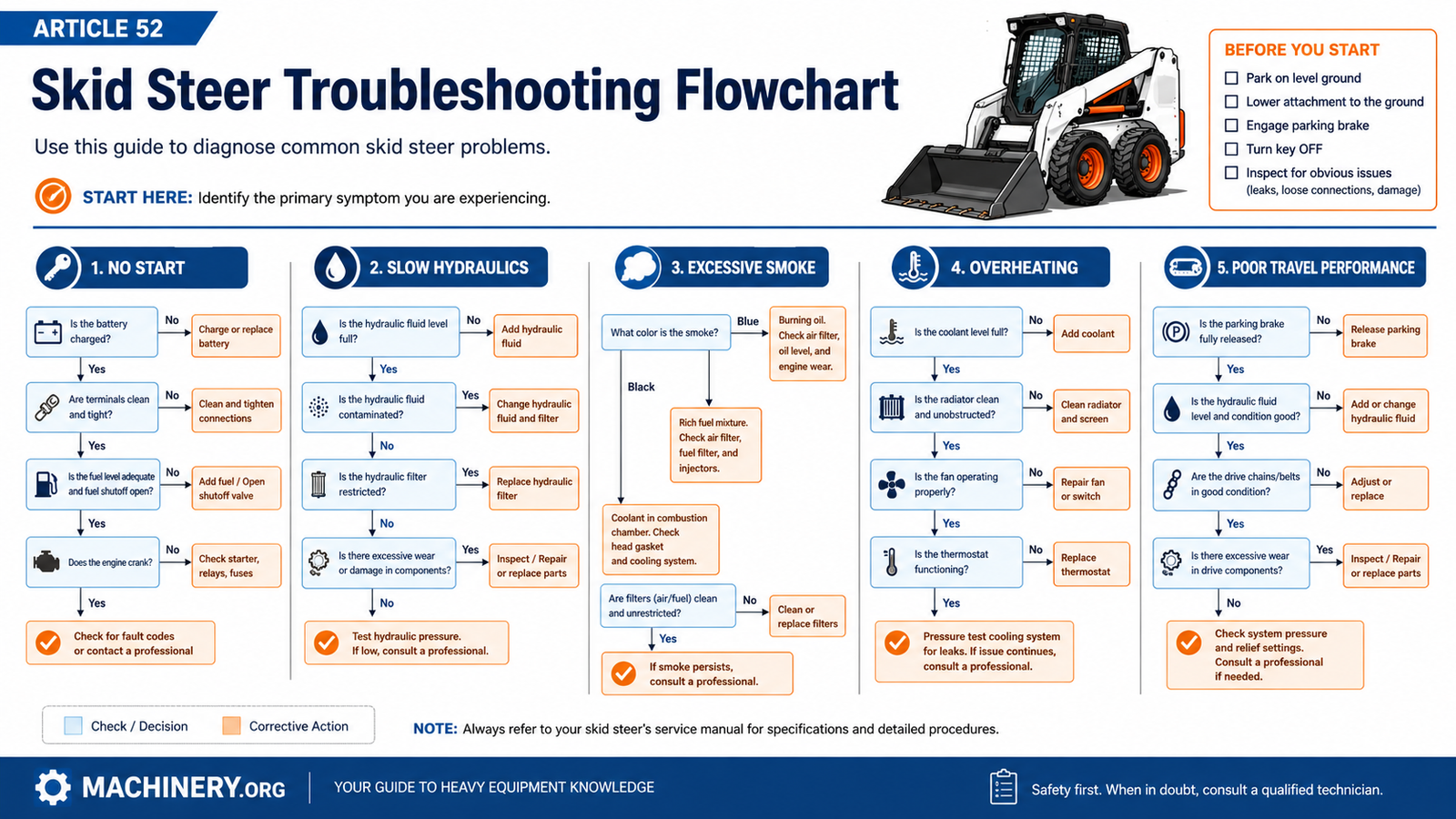
Figure 52.2. Troubleshooting flowchart for no-start, slow hydraulics, smoke, overheating, and poor travel performance.
Smoke color and engine clues
Exhaust color can help narrow the problem. Black smoke often means the engine is receiving too much fuel or too little air. Check the air filter, intake restriction, fuel quality, and injector condition. Blue smoke may indicate engine oil entering the combustion chamber. White smoke during a cold start may be normal briefly, but persistent white smoke can indicate unburned fuel, low compression, coolant entry, or timing issues. Smoke diagnosis should always consider temperature, load, duration, and accompanying symptoms.
Leaks and warning lights
Fluid on the ground should never be dismissed. Identify whether the leak is engine oil, hydraulic oil, coolant, fuel, or chain-case fluid. Clean the area and inspect hoses, fittings, seals, cylinders, filters, drain plugs, and cooler connections. Warning lights and alarms should be read as instructions to investigate, not as decorations. Record fault codes before cycling power because some codes may disappear from the active display.
Attachment problems
An attachment that will not engage or performs weakly may have dirty couplers, trapped pressure, incorrect hose routing, electrical connection faults, incompatible flow requirements, a closed valve, or an attachment-side mechanical problem. Confirm that the quick-attach plate is fully locked. Relieve pressure safely before reconnecting couplers. Inspect the attachment manual for flow, pressure, case drain, electrical, and control requirements.
A disciplined troubleshooting method
Define the symptom precisely: no crank, slow crank, weak lift, high temperature, smoke, noise, leak, or uneven travel.
Record when it happens: cold, hot, under load, during travel, during attachment use, or after extended operation.
Check visible and basic items first: fluid levels, filters, battery, interlocks, couplers, tire pressure, track tension, and debris.
Review fault codes and the operator manual before changing settings or replacing components.
Test one change at a time so the actual cause is not hidden.
Stop and call a qualified technician when the problem involves high pressure, internal engine work, emissions systems, or uncertain safety conditions.
When the machine should not be operated
Do not operate a skid steer with a major hydraulic leak, damaged lift-arm support system, failed brakes, severe steering problems, active low-oil-pressure warning, uncontrolled overheating, structural cracks, unsecured attachment, or malfunctioning safety interlocks. A short delay for proper repair is always cheaper than an accident or catastrophic component failure.
Frequently Asked Questions
Why does my skid steer click but not crank?
A weak battery, corroded terminals, poor ground, starter relay, starter motor, or safety-interlock fault are common causes.
What causes a skid steer to overheat during attachment use?
High hydraulic demand, dirty coolers, restricted airflow, low fluid, incorrect oil, and continuous relief operation are common causes.
Why does one side of my skid steer feel weaker?
Possible causes include tire or track differences, brake drag, drive-chain or belt wear, hydraulic motor problems, control calibration, or low system performance.
Should I clear fault codes and keep working?
No. Record the code, follow the manual, and correct the cause. Clearing a warning without diagnosis may allow damage to continue.
Key Takeaway
Good troubleshooting begins with a clearly defined symptom and simple checks performed in a logical order. Pay attention to heat, noise, smoke, leaks, warning lights, and performance changes. Stop operation when safety or major damage is at risk, and use qualified service support for advanced testing.
Get More Expert Guides & Updates
Subscribe for Machinery.org guide updates and product learning content.