

Introduction
A daily pre-start inspection is one of the most valuable habits in skid steer ownership. It only takes a few minutes, but it can prevent many of the problems that cause downtime, safety incidents, and expensive repairs. A machine may have worked perfectly at the end of the previous shift, yet a loose hose, damaged tire, low fluid level, or cracked fitting can appear before the next job begins. The inspection gives the operator a chance to catch those problems before the engine is loaded and before the jobsite becomes busy.
For Machinery.org readers, the most important idea is simple: inspection should happen before work pressure begins. When the machine is already needed, people tend to rush. Rushing leads to missed warning signs. A consistent walk-around routine builds discipline and protects the operator, the machine, and the people working nearby. It also creates a professional standard for crews because everyone learns that equipment readiness is part of the job, not an optional extra.
This guide explains what to check before startup, how to identify early damage, and how to respond when something looks wrong. The goal is not to turn every operator into a repair technician. The goal is to help operators recognize when the machine is ready, when it needs attention, and when it should not be used until the problem is corrected.
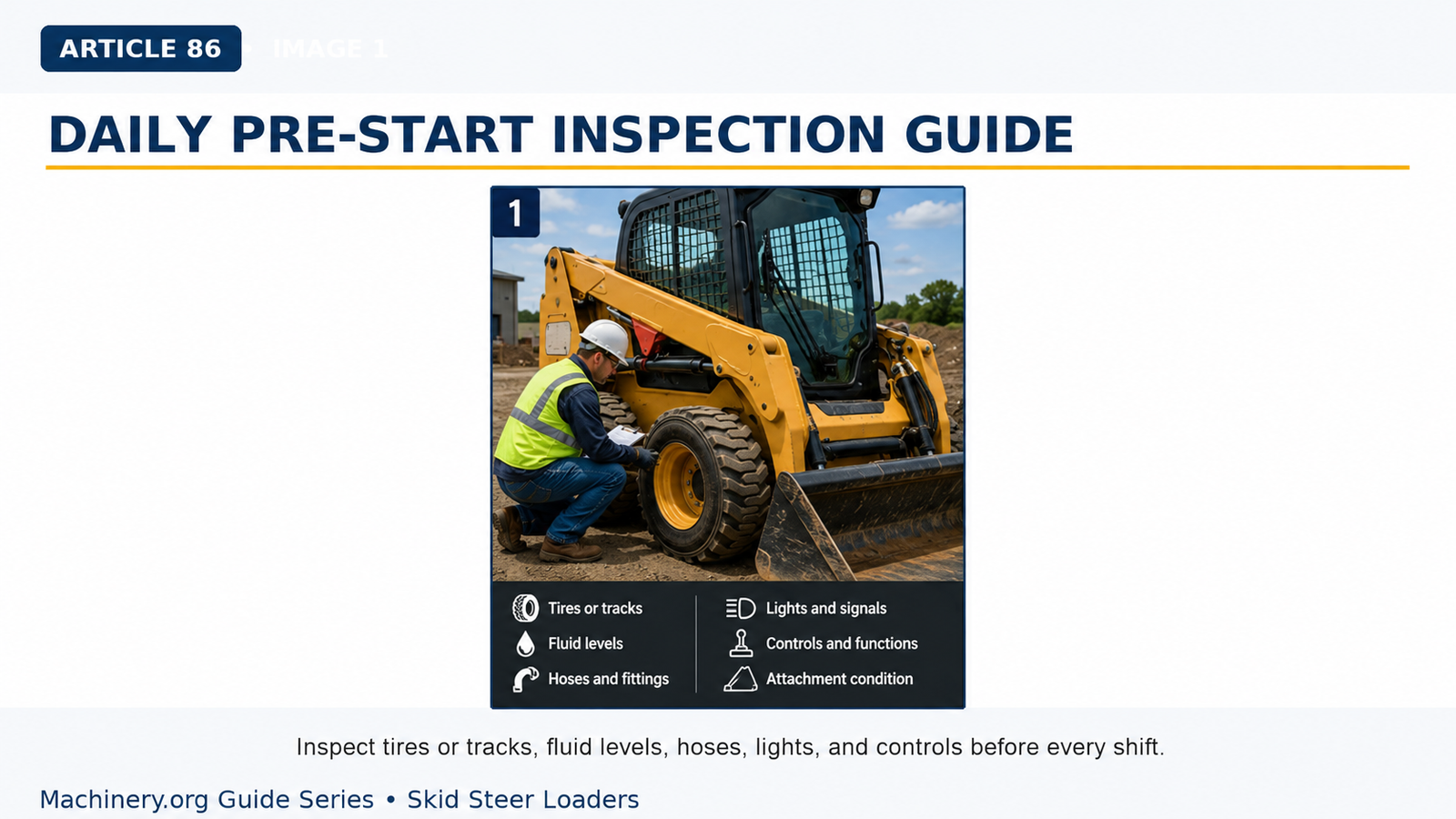
Figure 86.1 - Daily pre-start inspection guide for skid steer loaders.
Image Description: A skid steer being inspected before work, with checklist points for tires or tracks, fluid levels, hoses, lights, controls, and attachment condition.
What to Check Before Starting the Engine
The first step is a full visual walk-around. Start with the ground around the machine because fresh oil, fuel, coolant, or hydraulic fluid under the machine can reveal a problem before anything else is touched. Then inspect tires or tracks, wheel nuts or track components, visible hoses, fittings, lift arms, bucket, attachment plate, and the cab entry area. Check that lights, mirrors, windows, warning decals, and safety structures are clean and usable. If the machine uses attachments, confirm the attachment is properly seated and locked before operation begins.
Fluid level checks should follow the operator manual. Engine oil, coolant, fuel, hydraulic oil, and other service points should be checked at the correct time and with the machine parked safely. Operators should also pay attention to unusual smells, wet surfaces, rubbed hoses, missing pins, loose covers, or new marks that suggest contact damage. The machine does not need to look showroom-clean, but it should look safe, complete, and ready to work.
Look underneath the machine for fresh drips or wet spots.
Check tires or tracks for cuts, loose material, missing chunks, or abnormal wear.
Inspect hydraulic hoses for rubbing, cracking, swelling, leaks, and loose fittings.
Confirm lights, horn, backup alarm, seat belt, and safety interlocks work as expected.
Check the attachment connection and do not operate with an uncertain lock.
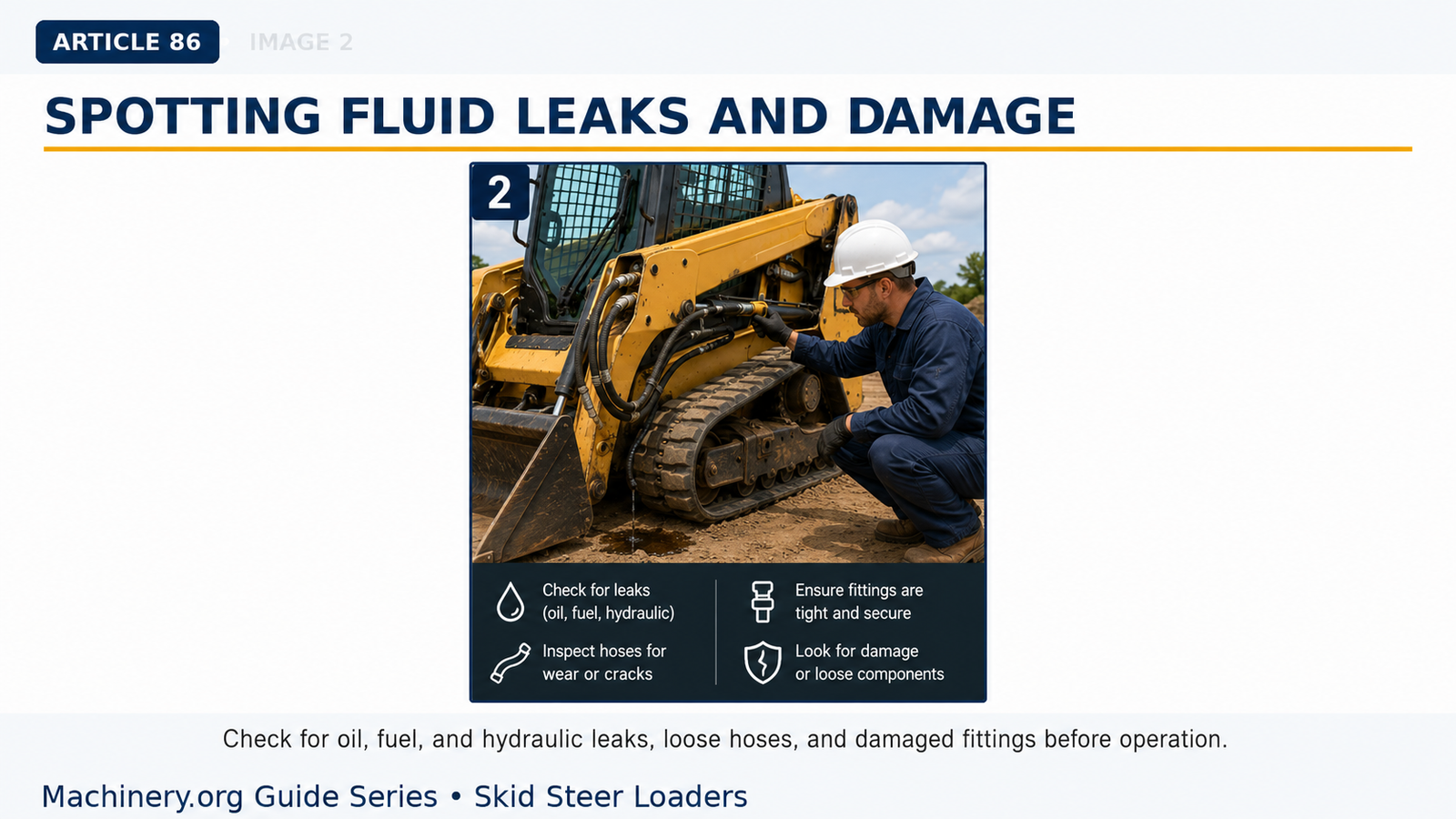
Figure 86.2 - Spotting fluid leaks, damaged hoses, and loose fittings before operation.
Image Description: A technician checking hoses and fittings near a skid steer track system, with reminders to look for oil, fuel, and hydraulic leaks.
How to Spot Leaks and Damage
Fluid leaks deserve immediate attention because they often become worse under pressure and heat. Hydraulic leaks may appear as wet fittings, oily hoses, misting, puddles, or fluid trails along the frame. Fuel leaks may smell strongly and create fire risk. Coolant leaks may show as colored residue, damp hose ends, or overheating later in the shift. Engine oil leaks can begin small but may point to worn seals or loose components. No leak should be dismissed simply because the machine still runs.
Damage also appears in small clues. A hose rubbed shiny in one location may soon fail. A loose fitting may become a burst connection. A missing bolt can allow a guard to vibrate loose and damage other components. A cracked weld may spread under heavy loading. The pre-start inspection is the moment to notice these clues while the machine is still parked and safe to examine.
Do not search for hydraulic leaks with bare hands because pressurized oil can penetrate skin.
Use cardboard or safe visual methods if a leak must be located.
Tag the machine out of service if a leak, crack, or safety defect creates risk.
Clean dirty areas so repeat leaks can be found more easily later.
Report and document defects instead of relying on memory.
Common Mistakes That Reduce Inspection Value
Many inspections fail because they become too casual. Operators may walk around the machine but not actually look closely. They may check the same side every day and skip hidden areas. They may assume a small leak can wait, or they may ignore attachment locks because they connected the tool yesterday. These shortcuts remove the value of the routine. A good pre-start inspection is not complicated, but it must be intentional.
Another mistake is failing to connect inspection findings with maintenance records. If the same hose keeps rubbing, the issue is not only the hose. It may be routing, clamp placement, or attachment movement. If the same tire loses air repeatedly, it should be investigated rather than filled every morning forever. Small trends become easier to correct when crews write them down.
Use the same inspection path every day so areas are not forgotten.
Inspect before starting work, not after the machine is already under load.
Take warning lights, smells, and new noises seriously.
Photograph or document questionable findings for the maintenance team.
Never let production pressure override a clear safety defect.
Frequently Asked Questions
How long should a pre-start inspection take?
A basic inspection can often be completed in a few minutes, but the time depends on machine size, attachment type, and jobsite conditions. The important point is consistency, not speed alone.
What is the most important thing to check first?
Start by looking around and under the machine for leaks, missing parts, or obvious damage. Ground evidence often reveals problems before the operator climbs into the cab.
Should I operate if I see a small hydraulic leak?
No leak should be ignored. A small hydraulic leak can become worse under pressure and may create safety and contamination risks. Report it and follow the maintenance procedure.
Key Takeaway
Daily inspection is a low-cost habit with high value. Check the machine before every shift, treat leaks and damage seriously, and document issues early so minor defects do not become expensive downtime.
Get More Expert Guides & Updates
Subscribe for Machinery.org guide updates and product learning content.