
Introduction
The diesel fuel system is one of the most important areas of skid steer ownership because it directly affects reliability, starting quality, performance, and injector life. Modern diesel equipment depends on clean fuel delivered at the correct pressure and in the correct condition. Dirt, water, degraded fuel, or poor fueling practices can quickly lead to hard starting, power loss, smoke, injector wear, and expensive repair bills. For many owners, fuel-system care is the difference between a machine that works every morning and one that becomes unpredictable over time.
Fuel problems are often preventable. Clean storage, responsible fueling habits, timely filter service, and periodic inspection of separators and lines usually keep the system healthy. The best fuel-system strategy is simple: keep contamination out, watch for early warning signs, and treat filter service as a core maintenance item instead of a minor afterthought.
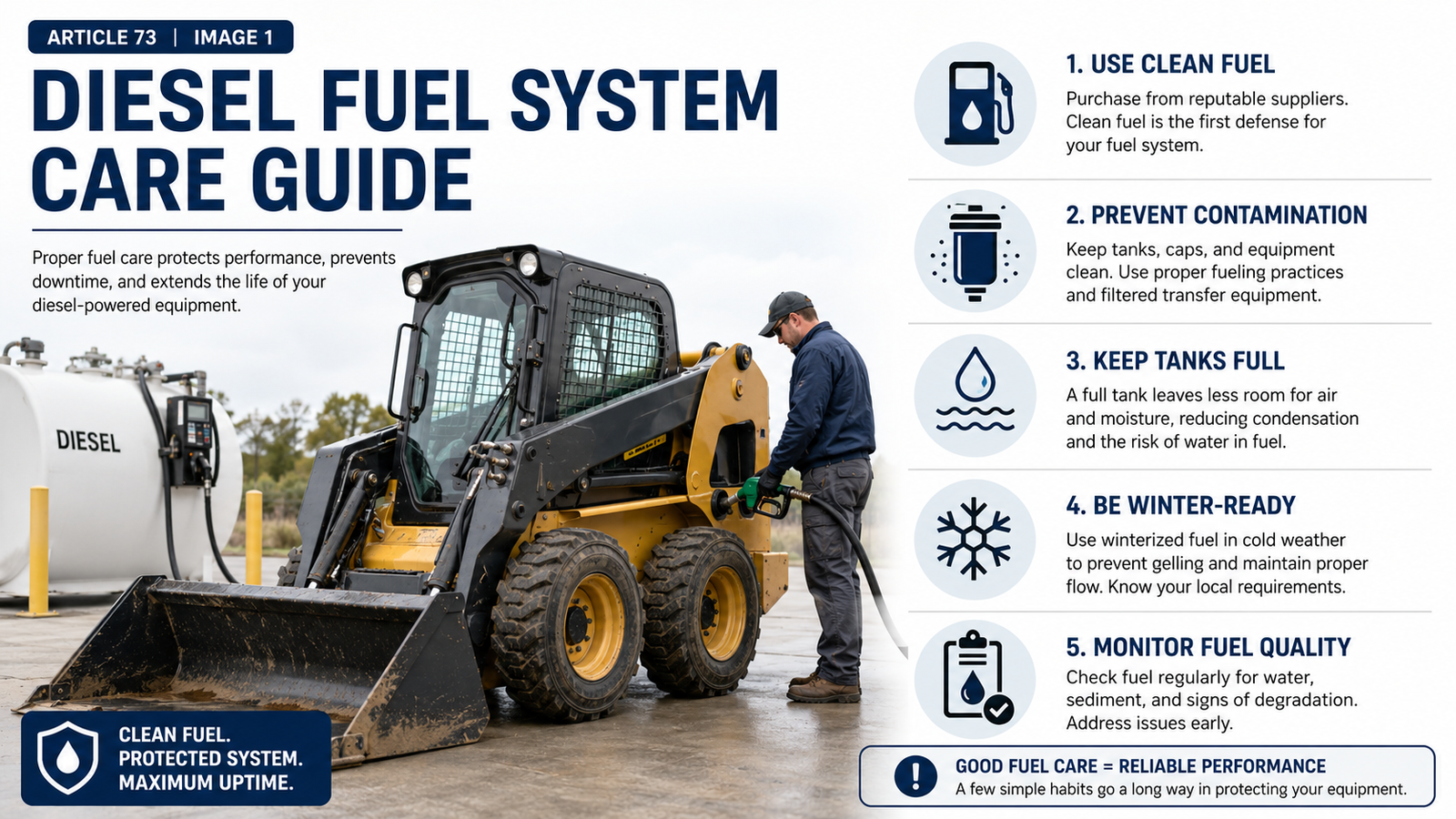
Figure 73.1 – Diesel fuel system care guide.
Image Description: A 16:9 infographic of a skid steer refueling with key fuel-care principles listed alongside the machine.
Core Fuel-Care Principles
The first rule of diesel fuel care is to buy clean fuel from reputable suppliers. The second is to prevent contamination during transfer and storage. Dirty fill nozzles, open caps, water intrusion, and neglected tanks all create long-term trouble. The third rule is to keep the machine’s fuel system protected through regular filter replacement and separator maintenance. Operators should also pay attention to the season, because cold weather may require winterized fuel or additive support appropriate to local recommendations.
Use clean, reputable fuel and protect it from contamination.
Keep tanks, caps, and transfer equipment clean.
Check fuel condition regularly for water or sediment.
Replace filters and service separators at proper intervals.
Adjust practices seasonally, especially in cold conditions.
Why Water and Dirt Are So Dangerous
Diesel systems are vulnerable to both particulate contamination and water. Dirt and rust particles accelerate wear in filters, pumps, and injectors. Water creates corrosion, poor combustion, and injector damage. Even small amounts of water can cause trouble if they go unnoticed. This is why water separators are so important and why operators should drain them before the collected water reaches damaging levels. Symptoms of contamination often begin subtly: rough running, smoke, loss of power, or delayed starting.
In addition to fuel quality itself, storage conditions matter. Tanks left nearly empty are more likely to build condensation. Long-stored fuel may degrade. Poorly sealed containers allow contamination. Good fuel care begins before the fuel even reaches the machine.
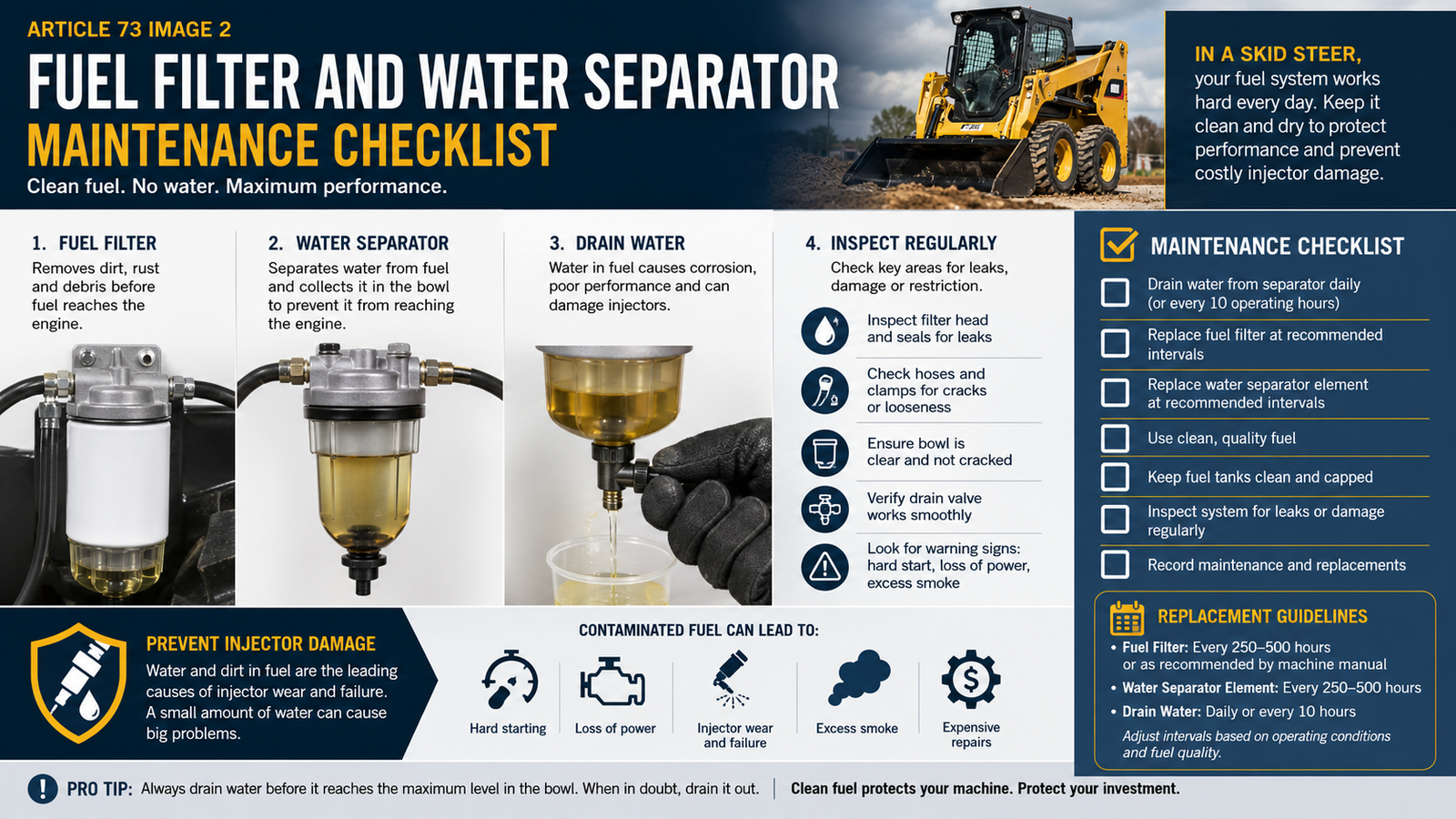
Figure 73.2 – Fuel filter and water separator maintenance checklist.
Image Description: A detailed checklist-style image showing fuel filter purpose, separator function, water draining, inspection points, and replacement reminders.
Filter and Water Separator Maintenance
Fuel filters and water separators must be treated as protective components, not optional consumables. The filter removes harmful particles before they reach the engine, while the separator collects water that would otherwise enter sensitive parts of the system. Owners should follow replacement intervals in the machine manual, but severe service may justify closer monitoring. During inspection, look for leaks, cracked bowls, damaged seals, restricted flow, and signs of dirty or unstable fuel.
Recording service intervals is also useful. Fuel-system maintenance becomes much more effective when the operator knows when the filter was last changed, when the separator was last drained, and whether current operating conditions have changed. Consistency is what keeps the fuel system boring—and boring is exactly what owners want from it.
Simple Habits That Protect the Fuel System
Refuel carefully and keep caps and fill areas clean.
Drain water separators regularly.
Replace the fuel filter on schedule or sooner if contamination is suspected.
Keep tanks sufficiently full to reduce condensation during storage.
Respond quickly to hard starting, smoke, or power loss.
Frequently Asked Questions
Why does water in diesel fuel matter so much?
Water causes corrosion, poor combustion, and injector damage, and can create serious reliability problems if not removed.
What does a fuel filter actually protect?
It protects the rest of the fuel system—especially injectors and pumps—by removing dirt, rust, and other harmful particles.
How do I know if fuel contamination may be present?
Warning signs include hard starting, reduced power, abnormal smoke, rough running, or visible water and debris in the separator.
Key Takeaway
A protected fuel system delivers easier starting, better performance, and lower repair risk. Clean fueling habits and consistent filter and separator maintenance remain some of the highest-value habits in diesel equipment ownership.
Get More Expert Guides & Updates
Subscribe for Machinery.org guide updates and product learning content.