
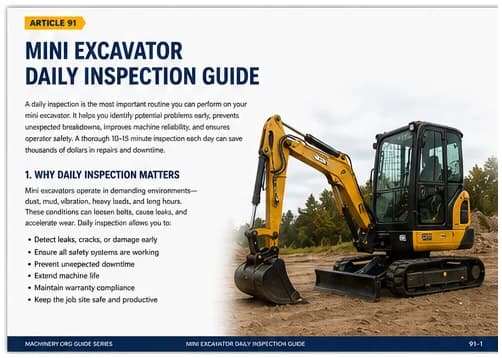
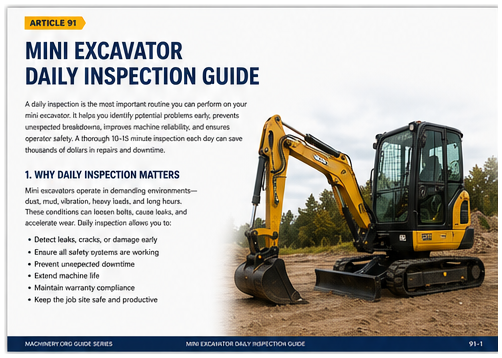
Figure 91.1 - Mini excavator daily inspection overview.
Image Description: A split standalone guide image showing a mini excavator and the main purpose of daily inspection.
Introduction
A mini excavator may be compact, but it is still a powerful hydraulic machine that works in demanding conditions every day. It digs, lifts, swings, grades, travels over rough ground, and often works close to buildings, utilities, workers, and finished surfaces. Because of that, a daily inspection is one of the most valuable habits an owner or operator can build. The purpose is not only to satisfy a checklist. The purpose is to find small issues before they become unsafe, expensive, or disruptive. A loose track, low hydraulic oil level, cracked hose, damaged bucket tooth, or weak safety device can turn into downtime very quickly when the machine is already on the job.
For Machinery.org readers, the best way to think about a daily inspection is as a pre-start conversation with the machine. The operator is asking whether the excavator is ready to work, whether any system is showing early signs of trouble, and whether the job can begin without creating unnecessary risk. This matters for contractors, landscapers, utility crews, farms, rental users, and private owners because mini excavators often operate in tight places where small failures have big consequences. A machine that loses hydraulic oil near a driveway, tips because a track problem was ignored, or damages a utility line because controls were not checked can create costs far beyond the value of the inspection time.
Daily inspection should happen before the engine is started whenever possible. A cold machine makes certain leaks easier to identify, and a stationary machine allows the operator to walk around carefully without distraction. The inspection should be consistent: same route, same focus areas, same documentation habit. A repeatable routine prevents missed items. Over time, the operator learns what normal looks, sounds, and feels like, which makes abnormal conditions easier to detect.
Why Daily Inspection Matters
The most obvious benefit of inspection is safety. Mini excavators have moving booms, rotating upper structures, heavy buckets, sharp attachment edges, hot engine components, and high-pressure hydraulic systems. If a damaged part is missed, the operator, ground workers, and property around the machine may be exposed to avoidable hazards. A daily walk-around helps confirm that guards are in place, pins are secure, mirrors and glass are clean, alarms and lights function, and the work tool is properly attached.
The second benefit is reliability. Many excavator failures begin as visible or measurable warning signs. Hydraulic seepage may show up around a fitting before a hose fails. A worn track may show cracking or missing rubber before it breaks. Engine oil or coolant levels may change slowly before overheating or lubrication issues appear. Catching these clues early helps the owner schedule service instead of losing control of the workday. In professional use, inspection also protects reputation because customers judge crews by whether machines appear organized, clean, and dependable.
The third benefit is ownership value. A machine with daily inspection records, regular maintenance, and documented corrections will usually be easier to manage and easier to sell later. Documentation shows care. It also helps detect recurring problems, such as a hose that keeps wearing because it is routed incorrectly or a track that repeatedly loosens because adjustment or undercarriage wear is being missed.
Daily Walk-Around Inspection Sequence
A good walk-around starts at ground level. Look under the machine for puddles, wet soil, or fresh stains. Identify whether any leak appears to be engine oil, hydraulic oil, fuel, coolant, or final drive lubricant. Then inspect the tracks or wheels, undercarriage, blade, bucket, boom, arm, cylinders, pins, coupler, and hoses. Look for cracks, missing hardware, unusual wear, loose bolts, bent guards, damaged lights, broken mirrors, or signs of impact. Do not rush this stage. A mini excavator often works near rocks, buried debris, stumps, concrete, and demolition material, so external damage is common.
Fluid checks should follow the manufacturer instructions. Engine oil, coolant, hydraulic oil, and fuel levels all affect safe operation. Low engine oil can destroy an engine. Low coolant can lead to overheating. Low hydraulic oil can cause cavitation, poor control response, and hydraulic damage. Fuel quality should also be considered, especially if the machine has been stored or used in cold weather. If water or dirt contamination is suspected, operation should stop until the cause is investigated.
The operator station should be checked before the engine starts. Make sure the seat, seat belt, control lockout, pedals, travel levers, display, horn, backup alarm, lights, and emergency controls are functioning. Clean the floor area and remove tools, trash, or mud that could interfere with pedals. Visibility matters, so clean the glass and mirrors. A compact excavator often works in close quarters, and poor visibility can be just as dangerous as mechanical failure.
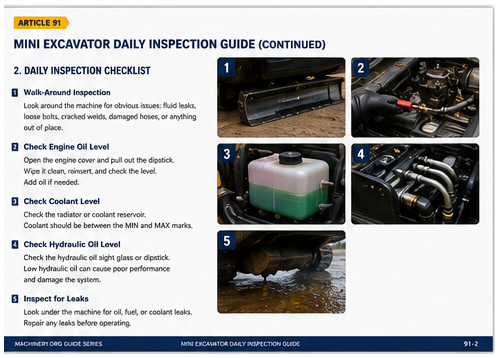
Figure 91.2 - Mini excavator daily inspection checklist and component focus areas.
Image Description: A standalone checklist-style guide image showing oil level, coolant, hydraulic oil, leaks, and component checks for a mini excavator.
Attachments, Couplers, and Work Tools
Attachments deserve their own inspection because they are the part of the machine most directly exposed to ground contact and impact. Buckets should be checked for worn teeth, loose pins, cracked welds, bent side cutters, and excessive wear at the cutting edge. Hydraulic attachments require hose and coupler inspection before they are activated. Quick couplers should be examined carefully because an improperly secured attachment can separate from the machine and create a serious hazard.
The operator should confirm that the attachment matches the planned task. A narrow trenching bucket, grading bucket, hydraulic breaker, compactor, auger, thumb, or ripper each changes how the machine behaves. The daily check should include whether the attachment is locked, whether the hydraulic flow setting is appropriate, and whether the operator understands the attachment control pattern. Attachment mistakes often come from assumptions, especially when multiple operators share the same machine.
Common Mistakes to Avoid
Many inspection failures happen because the operator performs the routine from memory but not with attention. Walking around the machine while looking at a phone, skipping the underside because it is muddy, assuming yesterday’s fluid levels are still correct, or ignoring a small seep because the job is urgent are all common mistakes. Another mistake is checking the excavator but not checking the jobsite. The machine may be ready, but the work area may still contain buried utilities, unstable ground, overhead obstacles, or traffic hazards.
A practical solution is to use a simple daily inspection sheet. It does not need to be complicated. Date, hour meter, operator name, machine ID, major fluid levels, leak status, undercarriage condition, attachment condition, and notes are enough for many owners. The value comes from consistency. If a problem is found, record it, report it, tag the machine if necessary, and repair it before work continues.
Quick Checklist for Operators
Before every shift, inspect the machine exterior, undercarriage, engine compartment, hydraulic system, attachment, safety devices, and operator station. Check for leaks, damage, missing hardware, low fluids, abnormal wear, loose coupler parts, damaged hoses, and warning lights. Start the machine only after the area is clear, then test controls slowly and listen for unusual noises. If anything feels wrong, stop and investigate. A good operator is not the person who ignores problems and keeps digging. A good operator is the person who prevents small problems from becoming dangerous ones.
Inspection by Work Environment
Inspection priorities should be adjusted to the environment where the mini excavator works. A landscaping machine may need extra attention to tracks, blade edges, bucket teeth, and grease points because soil, roots, and stones create hidden wear. A utility machine needs careful checks around hoses, couplers, swing components, and attachment pins because trenching and lifting often happen close to people and underground services. A demolition or renovation machine needs more focus on glass, guards, hydraulic lines, quick couplers, and impact damage because broken concrete, rebar, and scrap can strike the machine from unexpected angles.
Weather also changes inspection needs. After rain, check for mud packed into the undercarriage, slippery steps, water around electrical connectors, and unstable ground near the work area. In freezing conditions, look for ice around tracks, couplers, windows, door latches, and pedals. In dusty summer work, clean cooling screens, air intake areas, and the cab filter more often. A good inspection routine is consistent, but it is not blind; it responds to the conditions that actually affect the machine.
Documentation and Reporting
The inspection is only fully useful when the results are communicated. If an operator notices a minor leak but does not write it down, the next operator may assume it is new or may miss the fact that it is growing. A simple logbook, digital form, or maintenance board should capture date, hour meter, operator name, findings, and corrective action. This record helps owners decide whether a machine can keep working, needs scheduled service, or must be removed from operation immediately.
FAQ
How long should a mini excavator daily inspection take? A normal inspection may take only a few minutes when the machine is clean and familiar, but it should never be rushed. Severe conditions, rental equipment, or a newly assigned machine deserve more time.
Should inspection be done even if the machine worked yesterday? Yes. Damage, leaks, low fluids, vandalism, weather exposure, and jobsite hazards can appear between shifts.
What should stop operation immediately? Major leaks, damaged safety systems, loose attachments, warning lights, severe track damage, abnormal noises, or any condition that makes control unreliable should stop operation until corrected.
Key Takeaway
A daily mini excavator inspection is a simple habit with major value. It protects the operator, the machine, the jobsite, and the owner’s investment. When the same inspection route is followed every day and problems are recorded honestly, the excavator becomes safer, more reliable, and easier to manage throughout its working life.
Get More Expert Guides & Updates
Subscribe for Machinery.org guide updates and product learning content.