
The hydraulic system is the working heart of a mini excavator. Without it, the machine cannot raise the boom, curl the bucket, swing the upper structure, travel on the tracks, or power attachments. Buyers often focus on engine power and operating weight, yet day-to-day performance is strongly shaped by the health, design, and cleanliness of the hydraulic system. That is why owners who understand hydraulics generally make better purchasing decisions, diagnose issues earlier, and protect resale value more effectively.
At a basic level, hydraulic systems convert engine power into fluid power. The engine drives the hydraulic pump. The pump draws hydraulic oil from the reservoir and pressurizes it. From there, valves direct the oil to cylinders and motors that create movement. The return flow then travels back through the system to the tank where heat can dissipate and contaminants can be filtered out. It sounds simple, but every component in that path matters. A worn pump, contaminated oil, loose fitting, or stuck valve can quickly reduce digging power and cause inconsistent operation.
For mini excavator owners, the value of a hydraulic system guide is practical rather than theoretical. It helps you understand what the machine is doing, why performance changes, and how to decide whether a problem is minor or serious. It also helps when comparing models. One machine may advertise auxiliary hydraulics and smooth pilot controls, while another may offer a different hydraulic flow rate more suitable for attachments. Those are not marketing details alone; they affect what work the excavator can do efficiently.
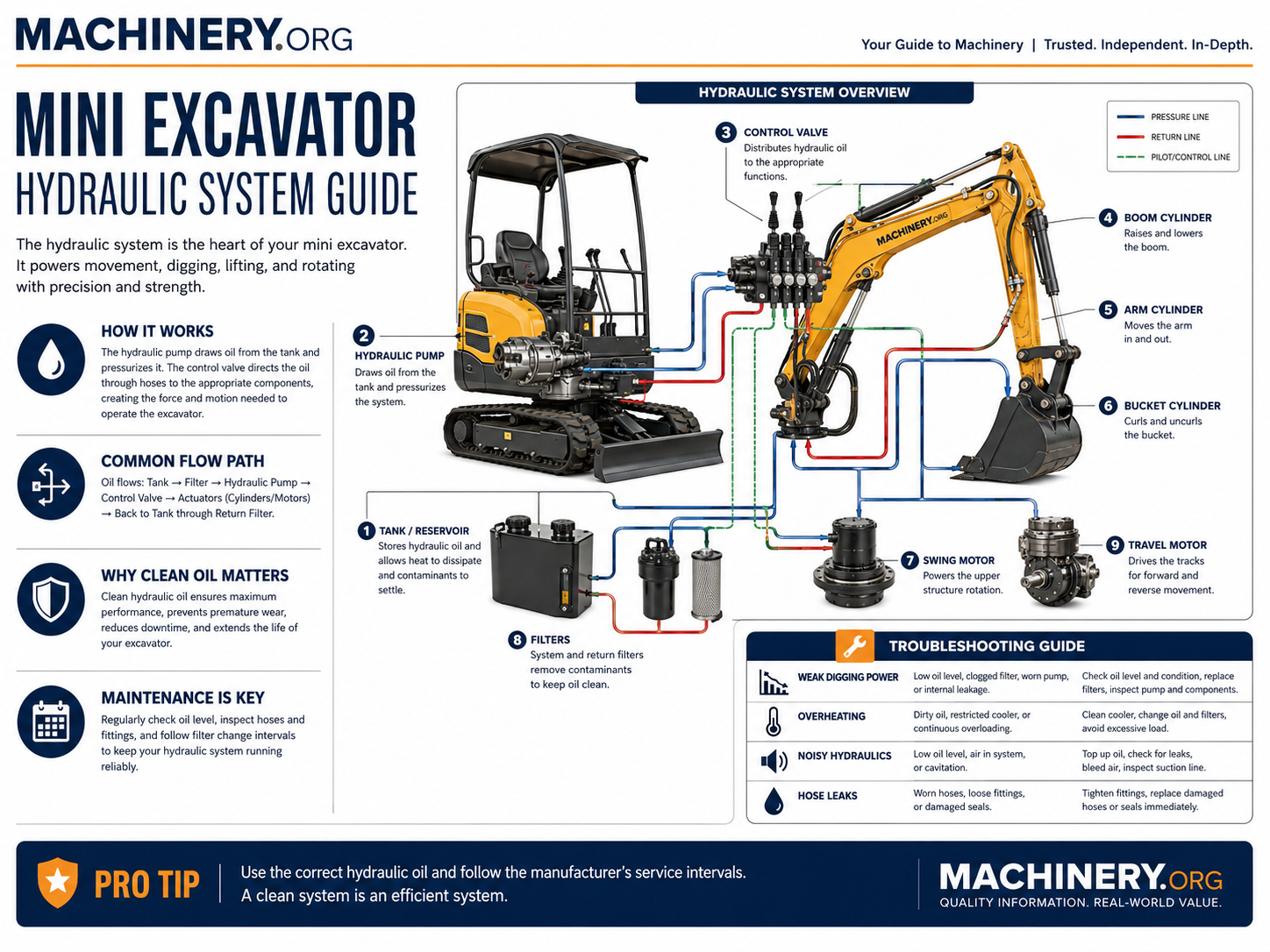
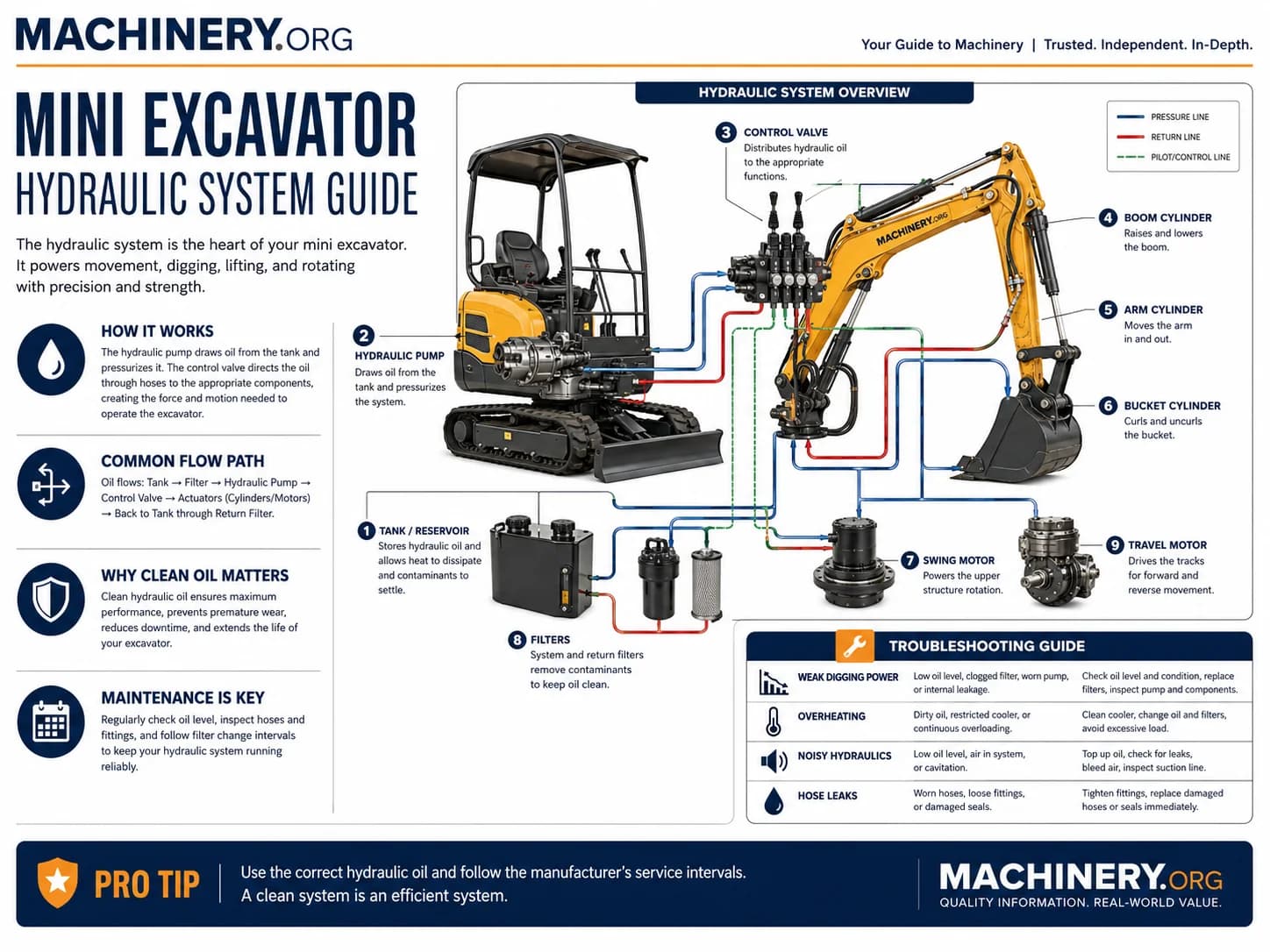
Figure 26.1. Machinery.org hydraulic system overview showing the major components and common oil flow path inside a mini excavator.
Core hydraulic system components
Most mini excavator hydraulic systems are built around several essential components. The reservoir stores hydraulic oil and helps separate air and contaminants. The pump pressurizes the fluid. The control valve routes oil to the correct circuit depending on operator input. Hydraulic cylinders convert pressure into linear force for the boom, arm, bucket, and blade. Hydraulic motors provide rotary force for swing and travel. Filters remove contaminants, while hoses, tubes, and fittings connect everything into one sealed working circuit. If any of these parts are undersized, worn, or contaminated, system efficiency drops.
The pump and why it matters
The hydraulic pump is often the most important component from a performance perspective. In compact excavators, the pump must deliver enough flow for smooth multi-function operation while maintaining adequate pressure for digging and lifting. A weak or worn pump may still move the machine, but it usually shows itself through slow boom action, poor attachment performance, and reduced power under load. Buyers considering used machines should pay close attention to sluggish controls, unusual whining noises, or hot hydraulic oil, all of which can point to pump or pressure issues.
Valves, control feel, and responsiveness
Control valves determine how precisely the machine reacts to operator input. A well-tuned valve system gives smooth feathering and predictable motion. This is especially important for trenching, working around utilities, and fine grading. Sticky or contaminated valves can create jerky operation, drift, hesitation, or inconsistent speed. Some operators blame themselves when the machine feels awkward, but in many cases the root issue is hydraulic condition rather than skill alone.
How hydraulic flow affects attachments
Modern mini excavators are often purchased not just as diggers but as attachment carriers. Augers, breakers, grapples, compaction plates, and trenchers all depend on auxiliary hydraulic performance. This is why it is important to know the machine’s auxiliary flow rating and any pressure limitations. A breaker that needs more flow than the excavator can provide may operate weakly or overheat the system. Likewise, a machine without the proper hydraulic plumbing or case drain support may be a poor match for more demanding tools. Buyers should always compare attachment requirements to the excavator’s published hydraulic specifications.
Maintenance practices that protect the system
Clean oil is the number one rule in hydraulic longevity. Contamination creates accelerated wear inside pumps, valves, cylinders, and motors. That means routine inspection of oil condition, fluid level, seals, and filters is not optional. Owners should inspect hoses for rubbing, leaks, bulges, and cracked outer jackets. The oil cooler should be kept clean so heat can escape efficiently. Pivot areas near cylinders should be greased according to the maintenance schedule because dry, misaligned joints can place extra stress on hydraulic components.
Filter service intervals matter just as much as oil level. A clogged filter can reduce flow and increase restriction. Overheated oil should also be investigated quickly because excess heat reduces lubrication quality and can damage seals. If the system is ever opened for repair, cleanliness during service is critical. Dirt introduced during a hose replacement can create future problems that are hard to diagnose later.
Common hydraulic problems and what they mean
Weak digging power often suggests low oil level, clogged filters, worn pump components, or internal leakage.
Slow multifunction performance can point to pressure loss, restricted flow, or issues with the main relief valve.
Noisy hydraulics may indicate cavitation, air ingestion, low oil, or suction-side restrictions.
Oil overheating may result from dirty coolers, overloaded operation, incorrect oil, or failing components.
Visible leaks from cylinders or hoses should be treated quickly before they become larger failures.
Buying and ownership perspective
If you are choosing between machines, do not treat hydraulics as a background spec. A mini excavator with strong, smooth hydraulics usually feels more productive and more professional in daily use. This is especially true when the machine will switch between digging and hydraulic attachments. When evaluating a used excavator, warm the machine up and test all motions. Check whether the boom lifts smoothly, whether the bucket holds position under load, whether swing speed feels consistent, and whether travel remains strong. Listen for pump whine and inspect for seepage around hoses, valves, and cylinders.
For owners, a hydraulic system guide should lead to a simple mindset: if the oil stays clean, the pressure stays in range, and small leaks are fixed early, the system will usually reward you with long and reliable service. When those basics are ignored, hydraulic repairs quickly become some of the most expensive machine problems to solve.
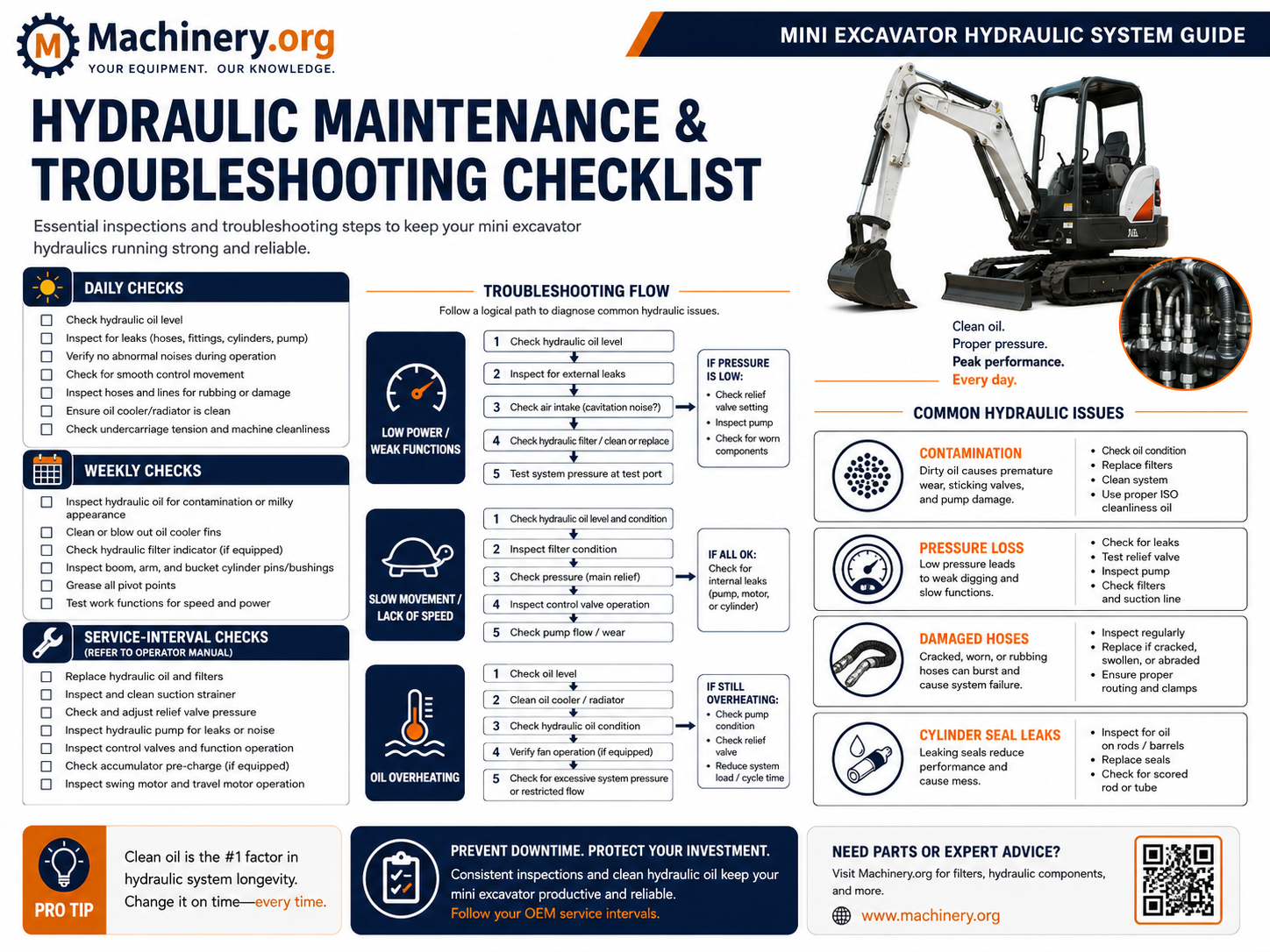
Figure 26.2. Machinery.org hydraulic maintenance and troubleshooting checklist for daily inspection and early fault diagnosis.
Frequently Asked Questions
Why is clean hydraulic oil so important?
Because hydraulic oil lubricates, transfers power, and protects sensitive components. Dirty oil increases wear, causes sticking valves, and shortens pump life.
Can low hydraulic oil reduce digging power?
Yes. Low oil can create poor response, noise, heat, and weak function because the system cannot maintain normal flow and pressure.
Do all mini excavators support the same attachments?
No. Attachment compatibility depends heavily on auxiliary hydraulic flow, pressure, coupler setup, and any special hydraulic requirements.
Key Takeaway
The hydraulic system determines how your mini excavator feels, works, and lasts. Learn the major components, maintain oil cleanliness, and treat leaks or performance changes as early warnings rather than minor annoyances.
Get More Expert Guides & Updates
Subscribe for Machinery.org guide updates and product learning content.