
Introduction
Skid steers move from one job to another frequently, which makes loading and transport a normal part of ownership. However, normal does not mean risk-free. Trailer loading places the machine on ramps, changes the operator’s visibility, and introduces the possibility of ramp movement, trailer shift, or machine imbalance. Once the skid steer is on the trailer, securement becomes the next safety responsibility. A mistake during loading or transport can damage equipment and create serious road hazards.
Material handling with pallet forks creates similar demands for discipline. Pallet forks are simple and useful, but they place loads forward of the machine and can reduce visibility. A pallet that is not centered, a load carried too high, or sudden steering on uneven ground can quickly create a stability problem. That is why Article 88 combines transport and pallet handling: both tasks rely on balance, slow control, and respect for the machine’s limits.
This guide helps Machinery.org readers build safer habits for loading onto trailers and handling palletized materials. The details may seem basic, but these are exactly the basics that prevent the most common mistakes.
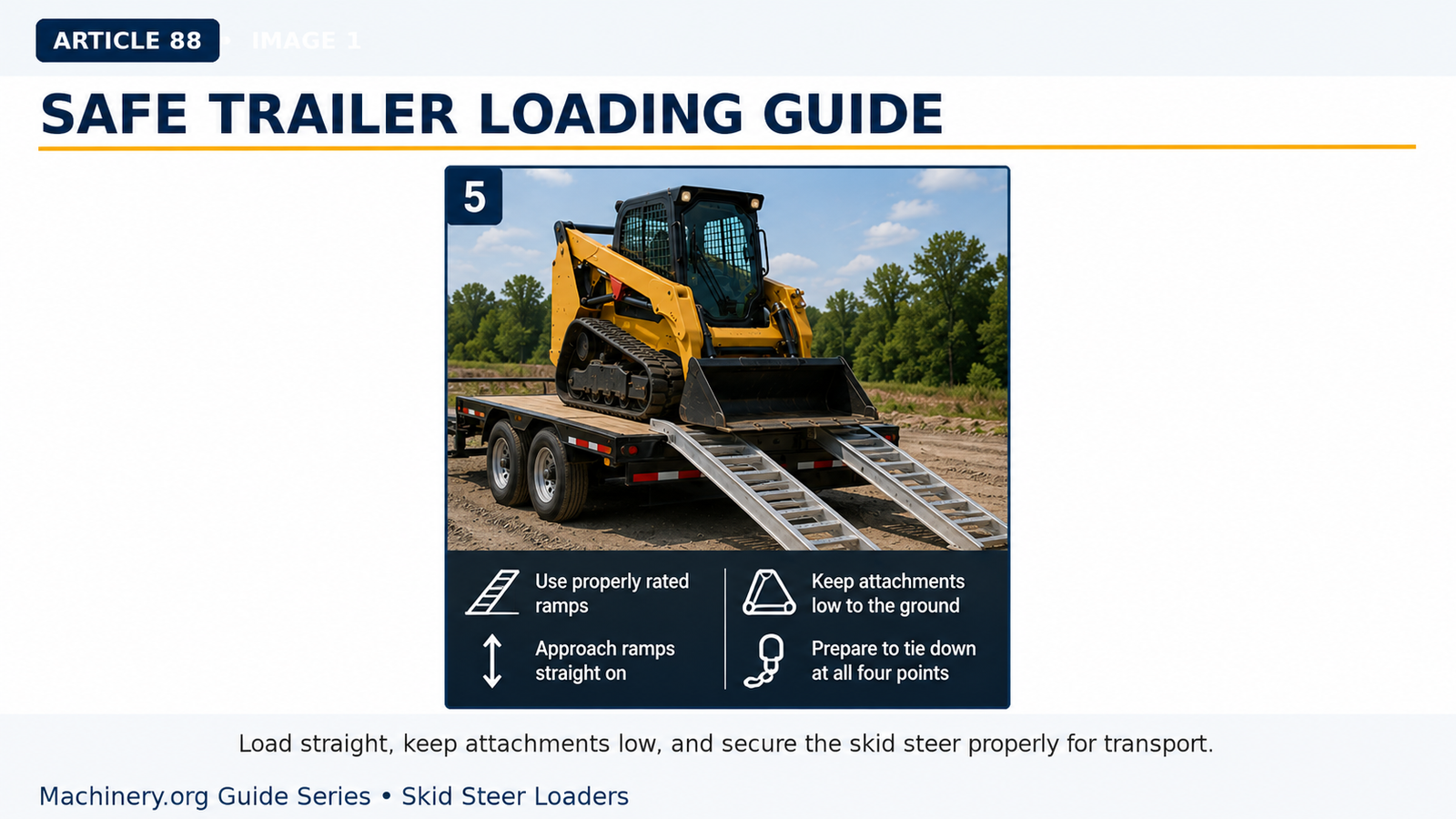
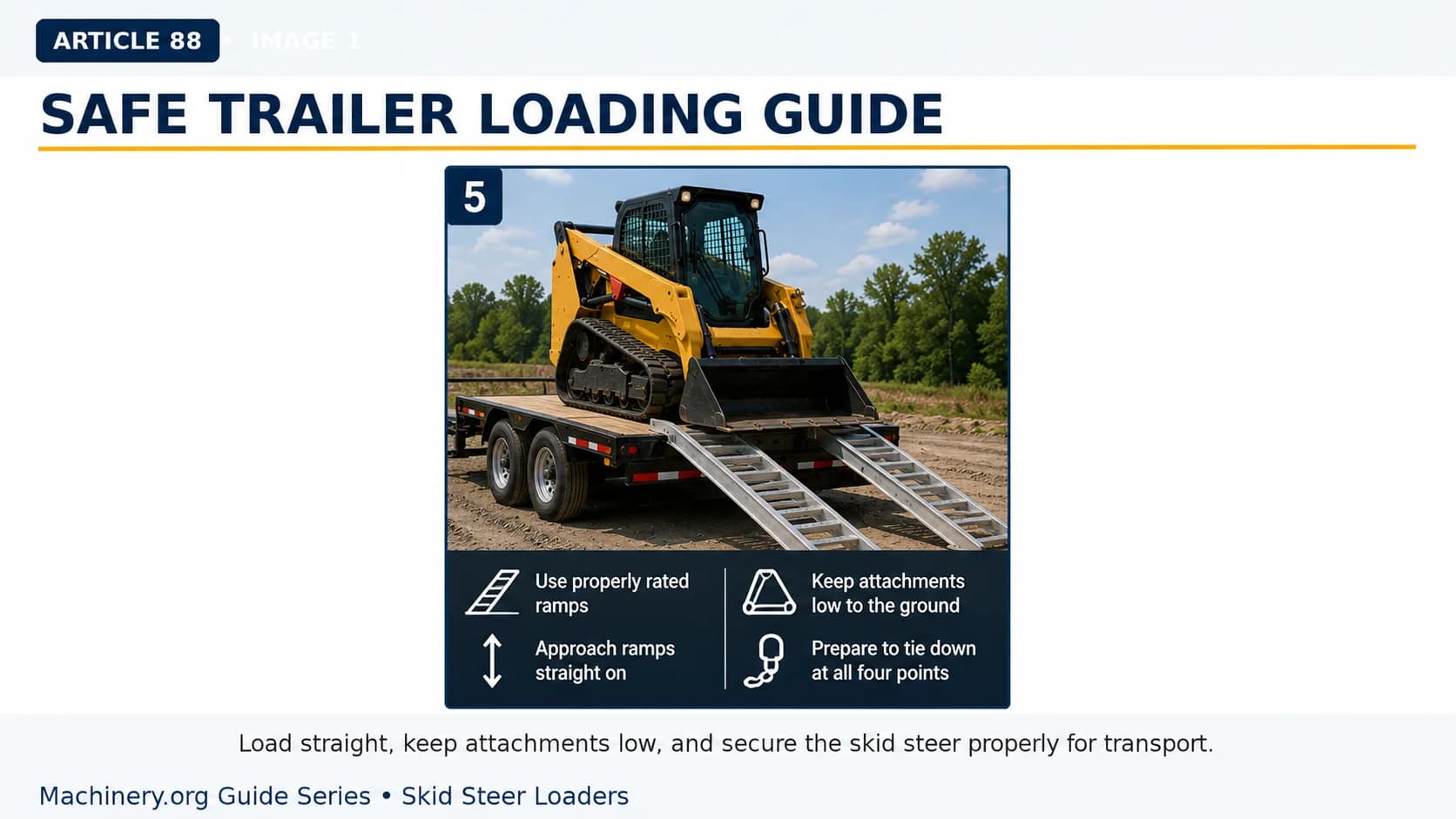
Figure 88.1 - Safe trailer loading guide for skid steer loaders.
Image Description: A skid steer loading onto a trailer using ramps, with advice about rated ramps, straight approach, low attachment position, and tie-down points.
Safe Trailer Loading
Before loading, inspect the trailer, ramps, hitch, tires, lights, deck, and braking system. Confirm the trailer and ramps are properly rated for the machine, attachment, and any added cargo. Loading should be done on level, stable ground whenever possible. The ramps must be secure, correctly spaced, and aligned with the machine. The operator should approach straight on, keep the attachment low, avoid sudden acceleration, and climb the ramps with smooth control.
Once the machine is positioned on the trailer, lower the attachment, set the parking brake, shut down correctly, and prepare the tie-downs. The machine should be placed to support proper trailer balance and tongue weight, not simply parked wherever it first fits. Four-point securement using rated chains or straps and correct anchor points is the common professional standard for compact equipment transport.
Use properly rated ramps and verify they are secured to the trailer.
Approach ramps straight on and avoid turning while climbing.
Keep the bucket or attachment low during loading.
Position the machine for correct trailer balance.
Use proper tie-downs and inspect them before travel.
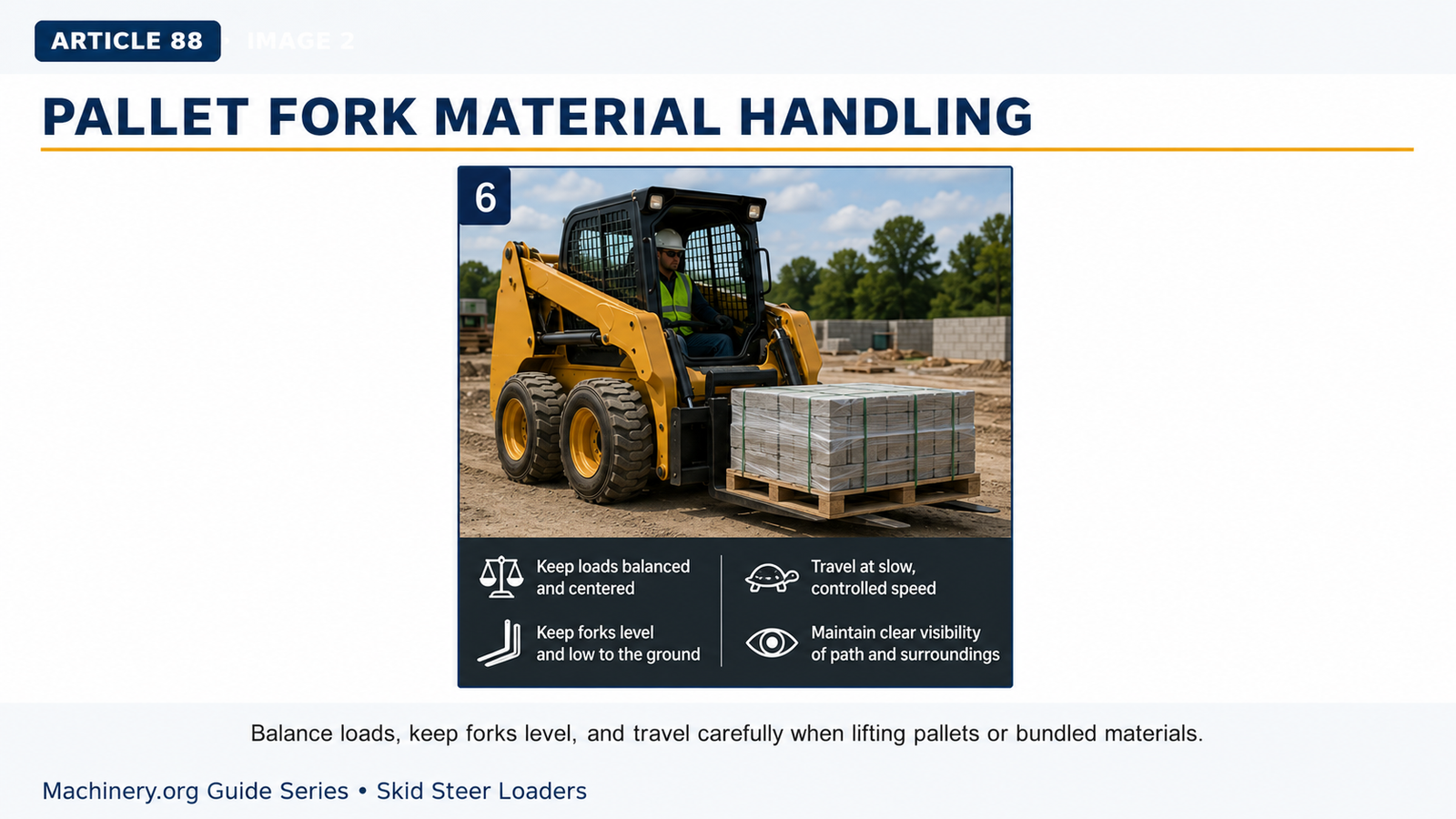
Figure 88.2 - Pallet fork material handling and load balance guide.
Image Description: A skid steer carrying palletized material with reminders about balanced loads, level forks, slow travel, and clear visibility.
Pallet Fork Material Handling
Pallet forks make a skid steer more useful by allowing it to lift, move, and place palletized materials, bundled supplies, and heavy jobsite goods. The danger is that fork loads can extend far forward and change the center of gravity. The operator must know the machine’s rated capacity, the attachment weight, and the approximate load weight. Guessing is not a safe method when lifting blocks, pavers, lumber, bags, or equipment components.
Loads should be centered on the forks and kept close to the carriage. Forks should be spaced to support the pallet evenly. Travel should be slow and smooth, with the load carried low enough to preserve stability while still clearing ground obstacles. If visibility is blocked, use a spotter or change the route. A load that prevents the operator from seeing pedestrians, traffic, or edge hazards must be treated as a serious risk.
Keep pallet loads centered and balanced.
Carry loads low during travel and raise only when placing.
Keep forks level and fully engaged under the pallet.
Travel slowly and avoid abrupt steering or braking.
Use a spotter when visibility is limited.
Shared Safety Principles
Trailer loading and fork handling share the same foundation: plan the route, control the machine smoothly, and never exceed capacity. Both tasks become dangerous when operators rush. Loading onto ramps too fast can cause misalignment. Traveling with a raised pallet can reduce stability. Stopping sharply can shift a load or unsettle the trailer. Good operators slow down before the risk point rather than reacting after the machine begins to move unexpectedly.
Inspection is also shared. Ramps, forks, carriage locks, tie-downs, anchor points, tires, tracks, and hydraulic systems all need attention. Safe movement begins before the machine moves.
Plan the full movement before starting.
Check the surface, route, and stopping area.
Keep people away from loading and lifting zones.
Respect machine capacity and attachment limits.
Perform a final walk-around before travel or lifting.
Frequently Asked Questions
Should the attachment be raised while loading onto a trailer?
No. The attachment should generally stay low to improve stability and visibility while loading.
What is the biggest pallet fork mistake?
Carrying a load too high or too far forward is one of the most common mistakes because it reduces stability and visibility.
Do I need four tie-down points for transport?
Many equipment transport practices use four-point securement. Always follow applicable laws, manufacturer tie-down guidance, and trailer equipment ratings.
Key Takeaway
Transport and material handling are controlled-movement tasks. Load straight, secure properly, keep fork loads balanced, and never let speed replace planning.
Get More Expert Guides & Updates
Subscribe for Machinery.org guide updates and product learning content.