

Skid steer attachments create enormous versatility, but the quick-attach plate can create a dangerous misunderstanding: physical connection does not guarantee full compatibility. A tool may lock onto the carrier and still be too heavy, too wide, hydraulically mismatched, electrically incompatible, or unsuitable for the jobsite. A complete compatibility check protects the machine, the attachment, the operator, and the investment.
The universal-style quick-attach pattern used by many skid steers has made attachment sharing easier, but variation still exists in older machines, specialty carriers, and compact equipment. Powered attachments add another layer because hydraulic flow, pressure, return circuits, and electrical controls must match. Heavy tools also reduce available payload and can shift the center of gravity forward.

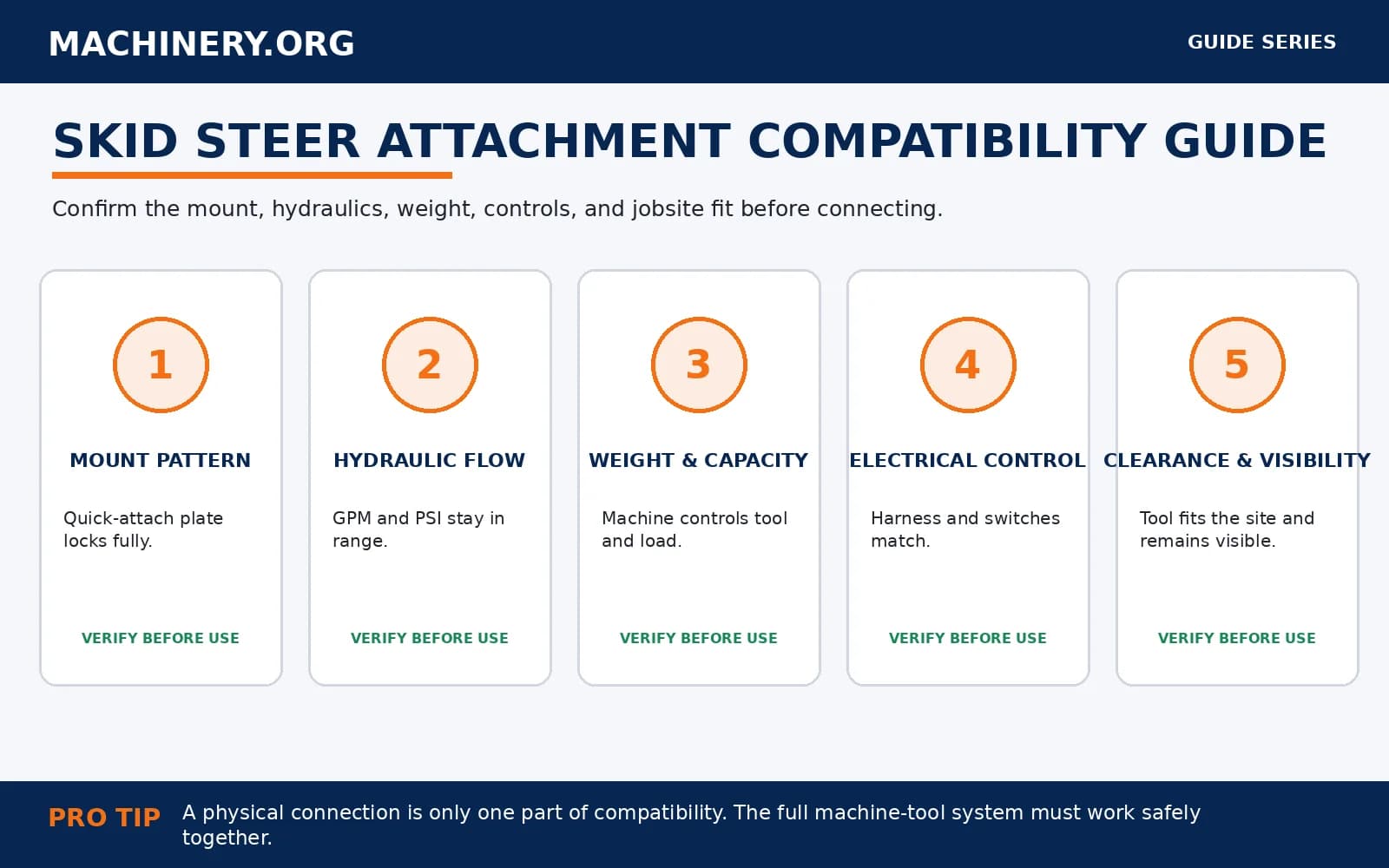
Figure 35.1. Five-step compatibility checklist for skid steer attachments.
The correct approach is to evaluate the machine-tool combination as a system. The mount, hydraulics, capacity, controls, visibility, and job must all work together. This guide provides a repeatable method.
Confirm the mounting pattern
Inspect the attachment plate, locking pins, wedge engagement, and structural condition. The attachment should sit squarely against the carrier plate and lock fully without forcing the levers or pins. Excessive play, bent plates, damaged pin holes, or improvised adapters can create movement and wear. After connection, visually confirm both locking points before raising the tool.
Match hydraulic flow and pressure
Powered attachments must operate inside the carrier’s auxiliary flow and pressure range. The attachment data plate or manual should list minimum and maximum values. If flow is too low, the tool may be slow or weak. If flow is too high, the motor may overspeed or overheat. Pressure, case drain, free-flow return, and coupler size also require verification.
Include attachment weight
Attachment weight uses part of rated operating capacity. A heavy grapple, planer, or cutter can leave less capacity for material and may move the load center forward. The machine should remain stable through the full working range. Counterweights should only be used when approved. Transport weight must also include the attachment.
Check electrical controls
Some attachments require electrical harnesses, switches, solenoids, or CAN-based controls. A hydraulic match is not enough if the electrical functions cannot be operated. Verify connector type, voltage, pin configuration, and whether a machine-specific control kit is needed.
Evaluate width, clearance, and visibility
Attachment width affects access, surface damage, and operator awareness. A very wide broom or cutter may be productive in open areas but difficult near buildings. Tall attachments and load backrests may reduce forward visibility. Hose routing should remain clear through the full lift and tilt range. Nothing should pinch, stretch, or rub.
Match the attachment to the task
A general bucket can move many materials, but specialty tools often produce better results. Pallet forks require adequate ROC and load-center awareness. Augers require correct flow and drive-head torque. Brush cutters require guarding and flow matching. Cold planers require high hydraulic power and cooling. Grapples require visibility and enough capacity for irregular loads.
Compatibility checklist

Figure 35.2. Attachment matching matrix for common skid steer tools and machine features.
Mount pattern locks fully and shows no structural damage.
Hydraulic flow and pressure remain within the attachment range.
Attachment weight and working load fit the machine capacity.
Electrical harness and controls are available.
Width, visibility, hoses, and jobsite clearance are acceptable.
Used attachment inspection
When buying used, inspect welds, coupler plates, cutting edges, bearings, hoses, cylinders, motors, and serial plates. Ask what carrier powered the tool and whether it was operated within the correct flow range. A bargain attachment can become expensive if the hydraulic motor is worn or the mounting plate is distorted.
Fleet standardization
Businesses with multiple machines can reduce mistakes by creating an attachment compatibility chart. List approved carriers, flow ranges, electrical kits, and maximum loads. Label attachments clearly. Standardization saves setup time and prevents an operator from connecting the wrong tool under schedule pressure.
Final safety check
After connection, lower the safety bar, verify the work area is clear, start at low speed, and test all functions near the ground. Watch hose movement and listen for abnormal noise. Stop immediately if the attachment vibrates, leaks, overheats, or responds unpredictably.
Connection procedure and operator verification
A disciplined connection process prevents many attachment incidents. Approach the attachment squarely, lower the coupler plate under the upper lip, roll the plate back, and engage both locking pins fully. Shut down or follow the manufacturer’s safe hydraulic connection procedure before handling hoses. Relieve trapped pressure when required, wipe couplers clean, and connect the pressure, return, case drain, and electrical lines in their correct positions. After startup, test every function at low speed with the attachment close to the ground.
Operators should verify the attachment again after the first few minutes of work. Check that pins remain engaged, hoses are not rubbing, fittings are dry, and the tool is not overheating. A new machine-attachment combination may reveal clearance problems only when the lift arms are raised or the tool is fully tilted. Stopping early to correct hose routing or control settings is far less expensive than repairing a torn hose, bent connector, or damaged motor.
Documentation strengthens compatibility management. Keep manuals, serial numbers, purchase records, and hydraulic specifications together. Record which carrier settings are used for each attachment and any special instructions such as case drain connection, low-flow mode, or electrical control selection. Clear documentation allows different operators to set up the tool consistently and protects the fleet from knowledge being lost when staff changes.
Before purchasing, ask the attachment supplier to confirm compatibility in writing using the exact carrier model and serial range. Written confirmation creates a clear record, reduces misunderstandings, and makes it easier to identify any required couplers, harnesses, guards, or counterweight packages before delivery.
Frequently Asked Questions
Does a universal quick-attach plate mean every attachment will work?
No. It only addresses the mount. Hydraulics, weight, controls, and application still require confirmation.
Can I use adapters between different mount patterns?
Only use engineered, rated adapters approved for the carrier and attachment. Adapters may change load center and capacity.
What is the best way to manage many attachments?
Maintain a written compatibility chart and label each attachment with approved machine and hydraulic requirements.
Key Takeaway
Attachment compatibility is more than whether the tool connects. Confirm the mount, hydraulics, capacity, controls, and jobsite fit before every new combination..
Get More Expert Guides & Updates
Subscribe for Machinery.org guide updates and product learning content.