
Introduction
Attachments are what make a skid steer so versatile, but that versatility only pays off when the tools are maintained properly. Buckets, forks, grapples, augers, trenchers, and specialty tools all face wear from dirt, impact, moisture, and heavy loading. When attachment care is ignored, owners often blame the machine for problems that actually begin at the tool.
Machinery.org encourages operators to think of attachment maintenance as part of everyday machine care. A dirty, dry, or damaged attachment reduces performance and may even create safety hazards. By contrast, a clean and lubricated attachment lasts longer, works more efficiently, and helps protect the quick coupler and hydraulic system from unnecessary stress.
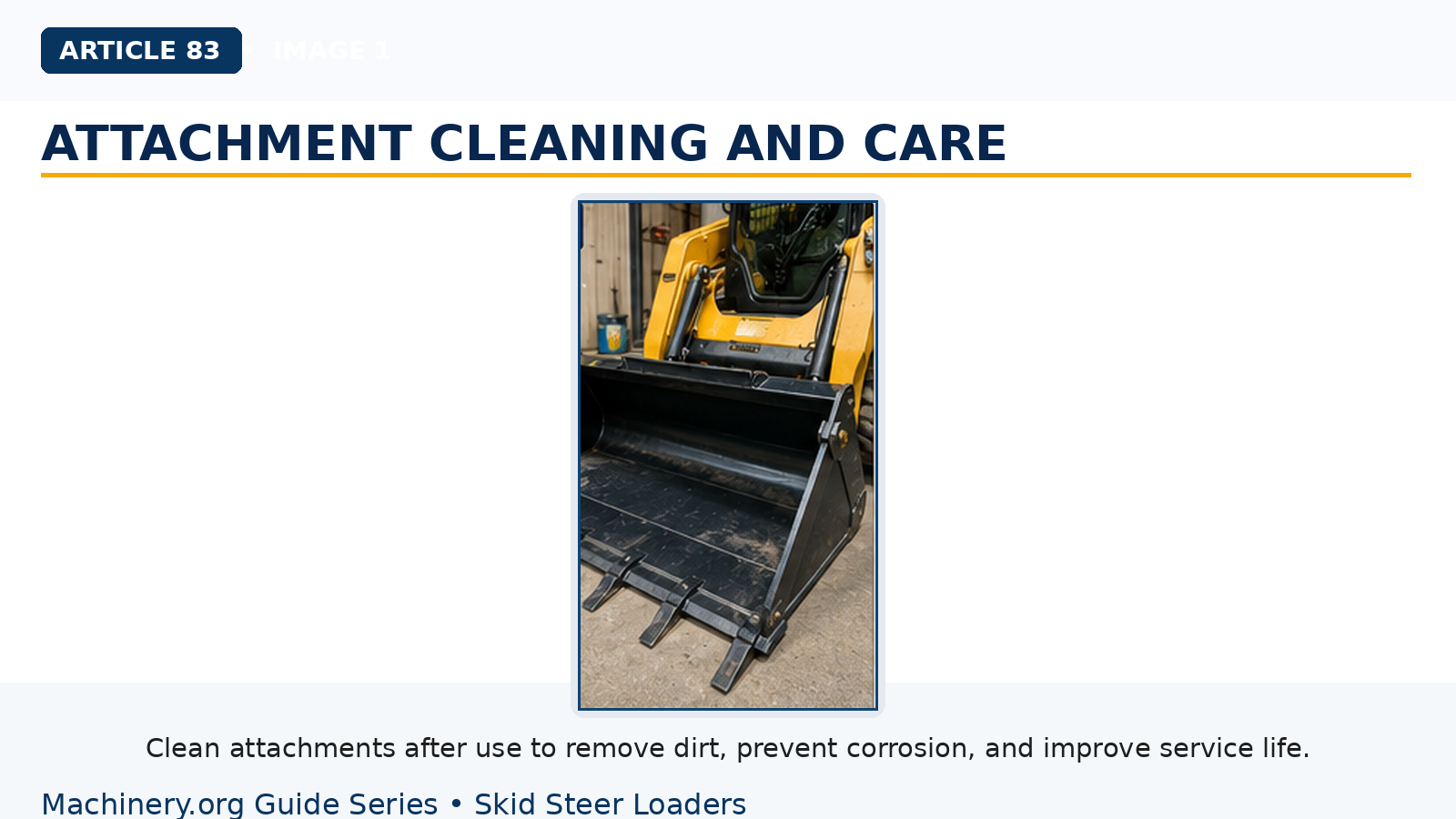
Figure 83.1 – Attachment cleaning and care guide.
Image Description: A 16:9 infographic showing a skid steer bucket and emphasizing routine cleaning after use.
Cleaning After Every Use
Dirt and compacted material trap moisture, hide cracks, and accelerate corrosion. Mud can harden around pivots, while fertilizer, salt, and demolition dust may attack painted surfaces and moving parts. A quick cleaning routine after use makes inspections easier and helps prevent small issues from being missed.
Operators should pay special attention to cutting edges, coupler contact areas, hydraulic couplers, and any recesses that collect material. Cleaning does not need to be complicated. The goal is to remove the debris that causes wear, holds moisture, or interferes with attachment fit and movement.
Remove packed dirt and debris after every shift.
Inspect for cracks, bent components, loose hardware, and worn edges during cleaning.
Keep coupler surfaces clean so the attachment seats properly.
Protect hydraulic hose ends and quick couplers from contamination.
Store attachments on a stable surface that keeps them easy to connect and inspect.
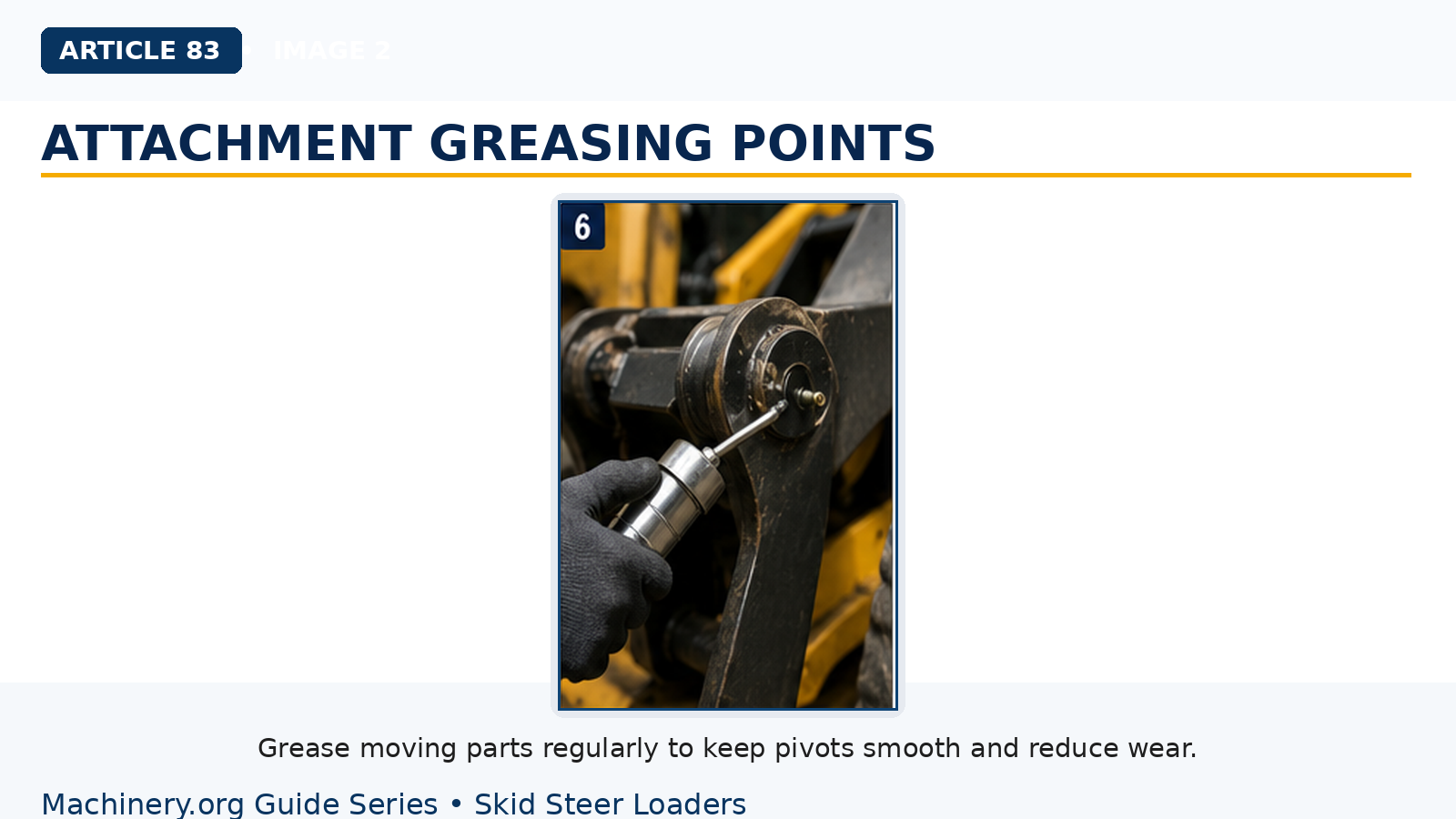
Figure 83.2 – Attachment greasing points guide.
Image Description: A 16:9 infographic showing a pivot point being greased to reduce wear and keep movement smooth.
Greasing and Wear Control
Many attachments rely on pivot points, bushings, hinge joints, or rotating assemblies that need lubrication. Grease reduces friction, pushes out contaminants, and slows wear. Without it, the attachment may become stiff, noisy, or loose, and the machine may need more force to do the same job.
Greasing should follow the manufacturer’s intervals, but harsh conditions may justify more frequent service. Wet environments, dusty work, and high-cycle applications all shorten the effective life of lubrication. The operator should also wipe grease fittings before connecting the gun so contaminants do not get pushed inside.
Grease pivot pins and moving joints at the recommended interval.
Use the correct grease type for the application and climate.
Watch for fresh metal dust, looseness, or noise that may indicate wear.
Replace worn cutting edges, teeth, or wear pads before damage spreads.
Repair minor cracks early before the attachment structure is weakened.
Frequently Asked Questions
How often should I clean an attachment? Ideally after each use or at the end of each shift, especially when working in mud, corrosive material, or dusty conditions.
Why is greasing so important? Grease reduces friction and wear while helping keep out water and dirt. It is one of the cheapest ways to extend attachment life.
Can poor attachment care affect the loader? Yes. A damaged or poorly maintained tool can stress the coupler, hydraulics, and lift arm system.
Key Takeaway
Good attachment care is simple but valuable: clean, inspect, grease, and store tools properly. When those habits become routine, performance improves and repair costs usually fall.
Get More Expert Guides & Updates
Subscribe for Machinery.org guide updates and product learning content.