
Introduction
A skid steer auger attachment is one of the most efficient tools for drilling consistent holes in soil for posts, trees, signs, piers, footings, and utility work. Instead of relying on manual digging or standalone post-hole equipment, the operator can use the skid steer’s hydraulics to drive an auger quickly and with repeatable force. This makes augers highly valuable in fencing, agriculture, landscaping, deck construction, and light foundation preparation. For many owners, an auger is one of the easiest attachments to justify because it saves labor, improves consistency, and speeds up repetitive hole drilling.
Yet good results depend on more than simply spinning a bit into the ground. Hole size, soil condition, machine stability, hydraulic flow, and drilling technique all influence success. A hole that is off-line, too shallow, or full of smeared spoil can cause delays and rework. A poorly maintained auger can wear prematurely or become unsafe. For Machinery.org readers, the most practical way to approach auger work is to think in terms of setup, soil awareness, and clean drilling habits.
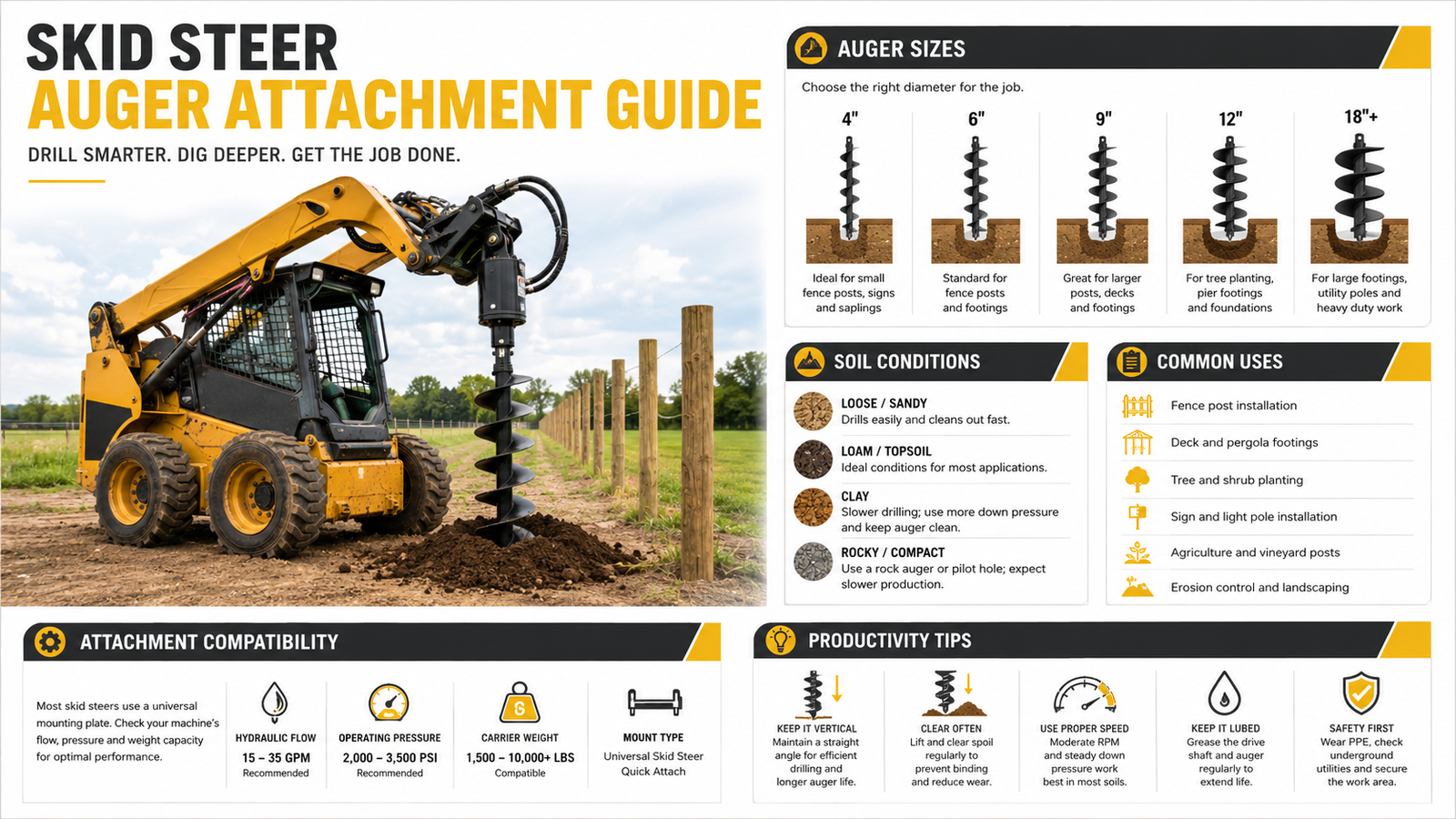
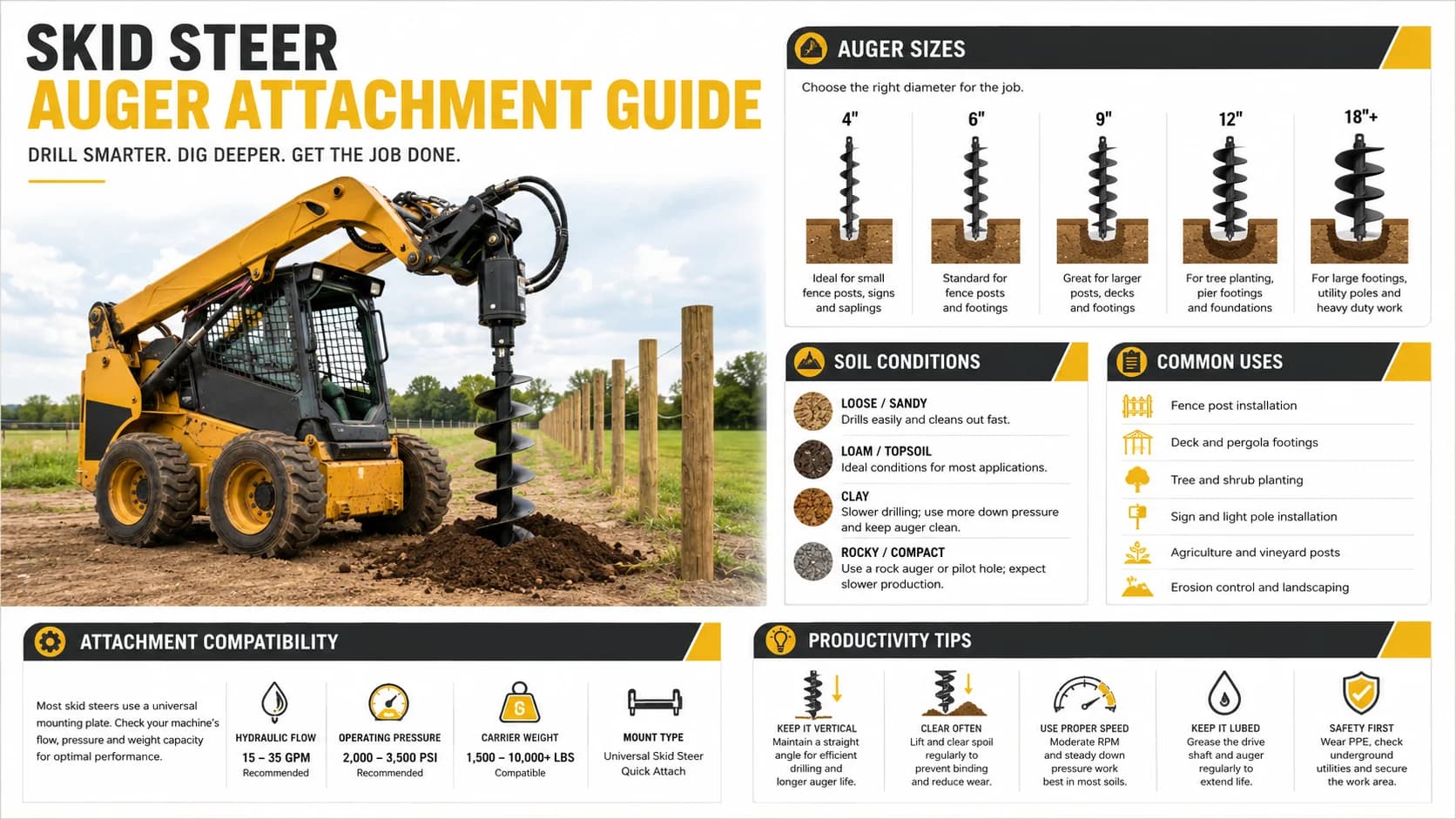
Figure 63.1 – Skid steer auger attachment guide.
Image Description: An infographic explaining auger sizes, soil conditions, common uses, attachment compatibility, and productivity tips for skid steer augers.
Choosing the Right Auger for the Job
One of the first decisions is auger diameter. Smaller bits may work for signs, saplings, and small fence posts. Mid-size diameters are common for larger fence posts, deck supports, and general property work. Larger diameters are used for footings, tree planting, and more substantial structural holes. Choosing a bit that is too small creates extra work. Choosing one that is too large can reduce efficiency and demand unnecessary power. Buyers should match bit size to the end use, not simply buy the biggest option available.
Use smaller diameters for signs, light posts, and small fence applications.
Use medium sizes for most fencing, deck footing, and general property needs.
Use larger diameters for heavier footings, larger posts, or tree-planting applications.
Check machine flow, attachment requirements, and carrier weight before selecting heavy-duty auger systems.
Soil Conditions and Drilling Performance
Soil type makes a major difference in auger performance. Loose or sandy soil drills easily but may cave or require careful cleanup. Loam and topsoil often provide the best general drilling conditions. Clay can slow production and may stick to the bit, especially when wet. Rocky or compacted conditions are far more demanding and may require specialized bits, pilot bits, or a different drilling strategy. Operators who understand the ground before they start usually work faster and protect their equipment better.
A smart operator begins by identifying underground utility risks and any buried obstructions. This is not optional. Post-hole work often happens in areas with utility lines, irrigation, drainage systems, or old buried debris. Proper locating and site checking should always happen before the first hole is drilled.
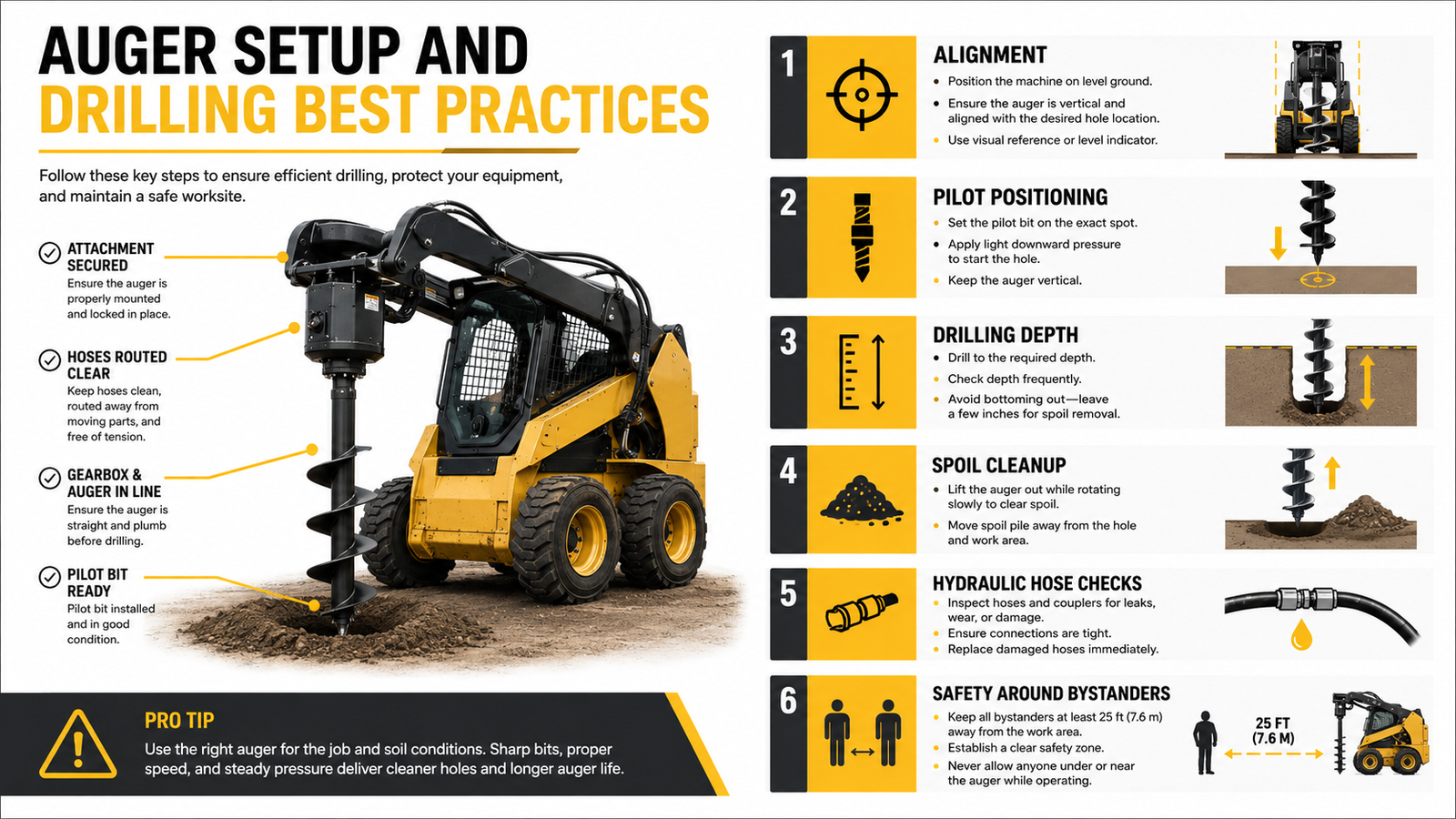
Figure 63.2 – Auger setup and drilling best practices.
Image Description: A setup guide image showing alignment, pilot positioning, drilling depth, spoil cleanup, hose checks, and bystander safety around a skid steer auger.
Setup and Drilling Technique
Good drilling starts with alignment. The machine should be positioned on stable ground and the auger should be kept vertical so the hole remains straight. Apply steady pressure rather than forcing the bit aggressively. Spoil should be cleared regularly, especially in deeper holes, so the auger can continue cutting cleanly. Operators should also avoid bottoming out the bit in a way that binds the attachment or causes unnecessary wear. Smooth, consistent drilling produces cleaner holes and reduces strain on the machine.
Hose routing and gearbox inspection matter as well. Before beginning work, the operator should confirm that hoses are secure, fittings are tight, and the attachment is correctly mounted. Pilot bits, teeth, and cutting edges should be inspected regularly. Like most attachments, an auger works best when small maintenance issues are corrected early rather than ignored until failure occurs.
Ownership and Buying Advice
Buyers should think about more than the basic drive unit. They should consider how many bit sizes they need, whether a planetary drive is appropriate, what soil conditions they typically face, and how often they will use the attachment. Some owners only need a general-purpose setup for property work. Others need a more capable system for fencing crews, farm installation, or contractor use. The right auger setup is the one that fits the most common jobs efficiently while remaining durable and easy to service.
Auger Work Checklist
Confirm underground utilities before digging.
Choose the correct bit diameter for the application and soil condition.
Keep the auger vertical and apply steady, controlled pressure.
Clear spoil regularly and avoid binding the bit.
Inspect hoses, couplers, gearbox, pilot bit, and cutting edges before and after use.
Frequently Asked Questions
What jobs are skid steer augers best for?
They are commonly used for fence posts, tree planting, signs, deck footings, small foundations, and similar applications where clean, repeatable holes are needed.
Why does soil type matter so much?
Because drilling speed, spoil removal, and attachment wear change dramatically depending on whether the ground is sandy, loamy, clay-heavy, rocky, or compacted.
How can I make auger holes straighter?
Start with level machine placement, keep the auger vertical, use steady pressure, and monitor alignment throughout the drilling process.
Key Takeaway
An auger attachment can save major time and labor when buyers choose the right size, understand their soil, and follow disciplined setup and drilling practices. Straight holes and long equipment life come from preparation and technique.
Get More Expert Guides & Updates
Subscribe for Machinery.org guide updates and product learning content.