

Introduction
The bucket is often the first attachment people think about when they picture a skid steer, but many new owners underestimate how much productivity depends on selecting the correct bucket style. A general-purpose bucket can handle a wide range of daily tasks, yet it may not perform efficiently when the job involves loose snow, rocks, demolition waste, or hard compacted material. This is why experienced operators build their attachment strategy around the work they do most often. The right bucket saves time, protects the machine, and improves daily efficiency.
At Machinery.org, one of the most useful lessons for readers is that buckets are not interchangeable in terms of real-world value. Shape, width, edge design, bottom profile, material strength, and special features all influence how a bucket performs. A contractor moving gravel or topsoil has different needs from a landscaper handling mulch, and both are different again from a demolition crew sorting rubble. Understanding these differences helps buyers avoid underperforming attachments and unnecessary wear.
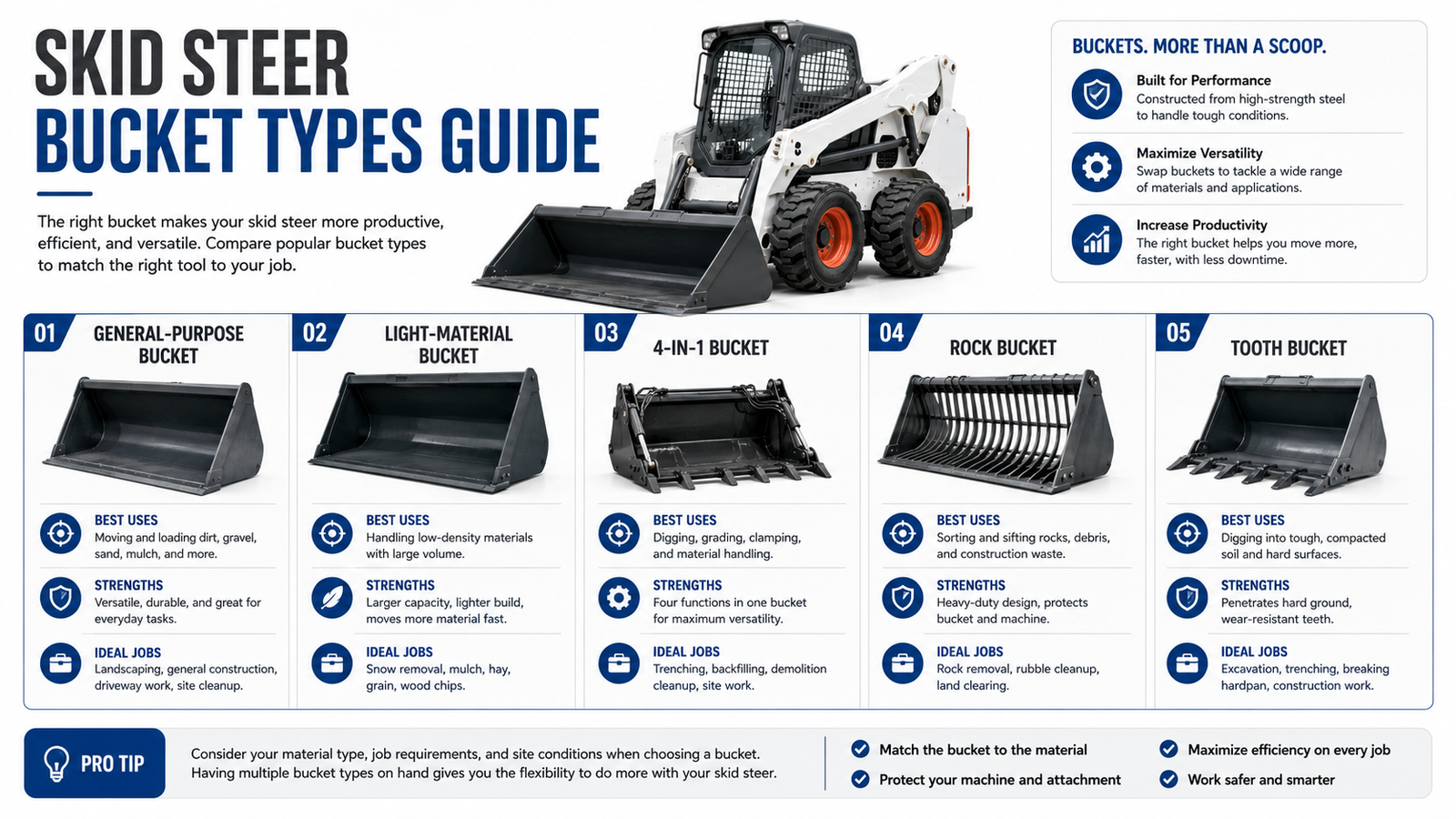
Figure 66.1 – Skid steer bucket types guide.
Image Description: A clean infographic showing five bucket types for skid steers, their best uses, strengths, and ideal jobs.
Understanding Common Bucket Types
General-purpose buckets are the most common option because they balance versatility and durability. They work well for dirt, gravel, sand, and routine site cleanup. Light-material buckets, by contrast, are built to move lower-density products such as mulch, feed, snow, or wood chips. Their higher-capacity design lets the operator move more volume per pass, which makes them ideal where weight is lower but material bulk is high.
Other specialized types include 4-in-1 buckets, rock buckets, and tooth buckets. A 4-in-1 bucket can dig, clamp, doze, and grade, which makes it valuable for operators who want one attachment to handle several jobs. Rock buckets are designed to sort and sift material while letting fines fall through. Tooth buckets are better suited to penetrating harder ground and breaking into compacted surfaces. The best bucket is not simply the strongest or the biggest one—it is the one that matches the application.
General-purpose buckets are best for everyday grading, loading, and cleanup work.
Light-material buckets are ideal for snow, mulch, hay, chips, and other low-density materials.
Rock buckets help separate rocks and debris from soil on cleanup and land-clearing jobs.
Tooth buckets assist with tougher digging conditions and compacted surfaces.
4-in-1 buckets offer multi-function value where versatility matters more than specialization.
How to Choose the Right Bucket
The first buying question should always be: what material will I move most often? Material density matters because it determines whether a larger volume bucket is helpful or whether a smaller, stronger bucket is more practical. The next issue is job type. A site contractor may want an everyday bucket and a tooth bucket. A landscape supply yard may benefit more from a light-material option. Machine width and lift capacity also matter. Oversized buckets can reduce performance if they encourage overloading or make the machine harder to handle.
Buyers should also think about attachment build quality and wear surfaces. Reinforced cutting edges, strong side plates, quality welds, and compatible width all improve long-term ownership value. A bucket is a wear item, but it should wear in a controlled, predictable way rather than failing early because it was poorly matched or poorly built.
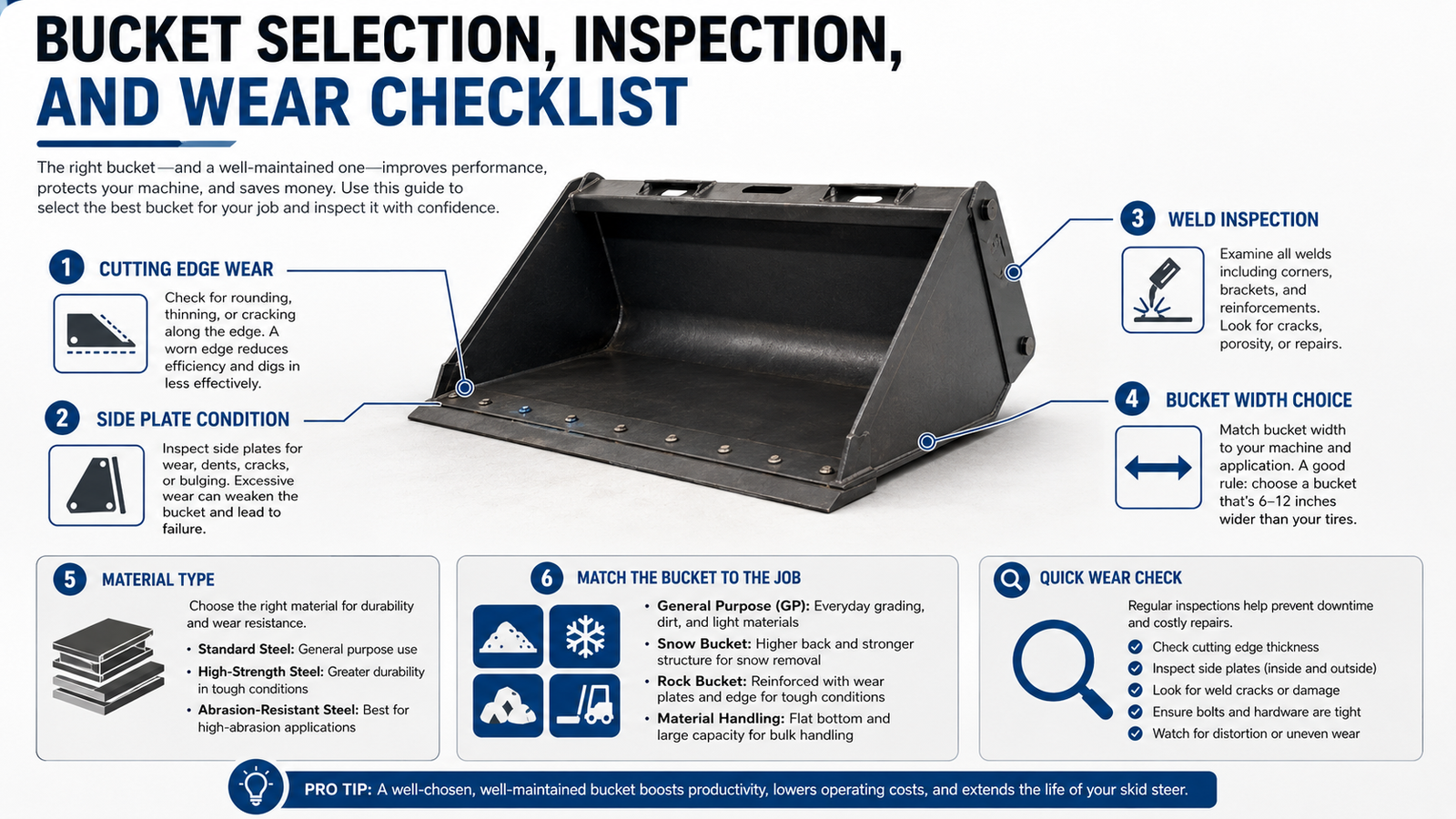
Figure 66.2 – Bucket selection, inspection, and wear checklist.
Image Description: A detailed inspection infographic showing cutting edge wear, side plate condition, weld checks, width choice, and material matching for skid steer buckets.
Inspection and Wear Management
Bucket inspections should be part of routine ownership. Operators should look for cutting-edge wear, worn or bent side plates, loose hardware, cracked welds, and any distortion that affects loading or grading performance. On tooth buckets, the teeth and adapters should be checked for wear and secure fit. Worn cutting edges reduce digging efficiency and can increase machine strain. If the bucket no longer cuts cleanly or carries material properly, productivity drops quickly.
Good inspection habits help owners catch issues before they become expensive repairs. A quick daily check, combined with periodic deeper inspection, usually prevents surprises. For readers building their first skid steer attachment set, bucket care is one of the easiest maintenance habits to learn because the condition is visible and the benefits of staying ahead of wear are immediate.
Bucket Buying Checklist
Match the bucket style to the material and the job.
Check machine width and rated capacity before choosing a bucket size.
Inspect cutting edges, side plates, welds, and mounting points regularly.
Use wear-resistant construction for harsher environments and abrasive material.
Avoid using one bucket for every task if the work is highly varied.
Frequently Asked Questions
What is the best all-around skid steer bucket?
For most owners, the general-purpose bucket is the best starting point because it handles a wide range of materials and tasks well.
When should I choose a light-material bucket?
A light-material bucket is the better choice when you often handle mulch, snow, feed, or other bulky but low-density materials where volume matters more than digging strength.
How often should I inspect a bucket?
A quick visual inspection should happen daily, with more detailed wear checks performed regularly depending on use intensity and material type.
Key Takeaway
The right bucket can improve productivity, protect the machine, and reduce unnecessary wear. Buyers should match the bucket to the material, inspect it regularly, and build their attachment lineup around the work they truly do every day.
Get More Expert Guides & Updates
Subscribe for Machinery.org guide updates and product learning content.