
Introduction
Understanding the controls of a skid steer is fundamental to both safety and productivity. A machine may be mechanically sound, but if the operator does not fully understand the joystick layout, drive response, lift and tilt functions, auxiliary hydraulic controls, and safety lockout systems, the machine will never be used to its full potential. Good control knowledge reduces jerky movements, improves confidence, and lowers the risk of incidents around people, attachments, and unstable terrain.
Machines vary by manufacturer, but the main principle is universal: operators should know what each control does, when it should be used, and what safety conditions must be satisfied before operation begins. This article is designed as a practical introduction for readers who want a clearer understanding of how cab controls fit into safe startup and normal working habits.
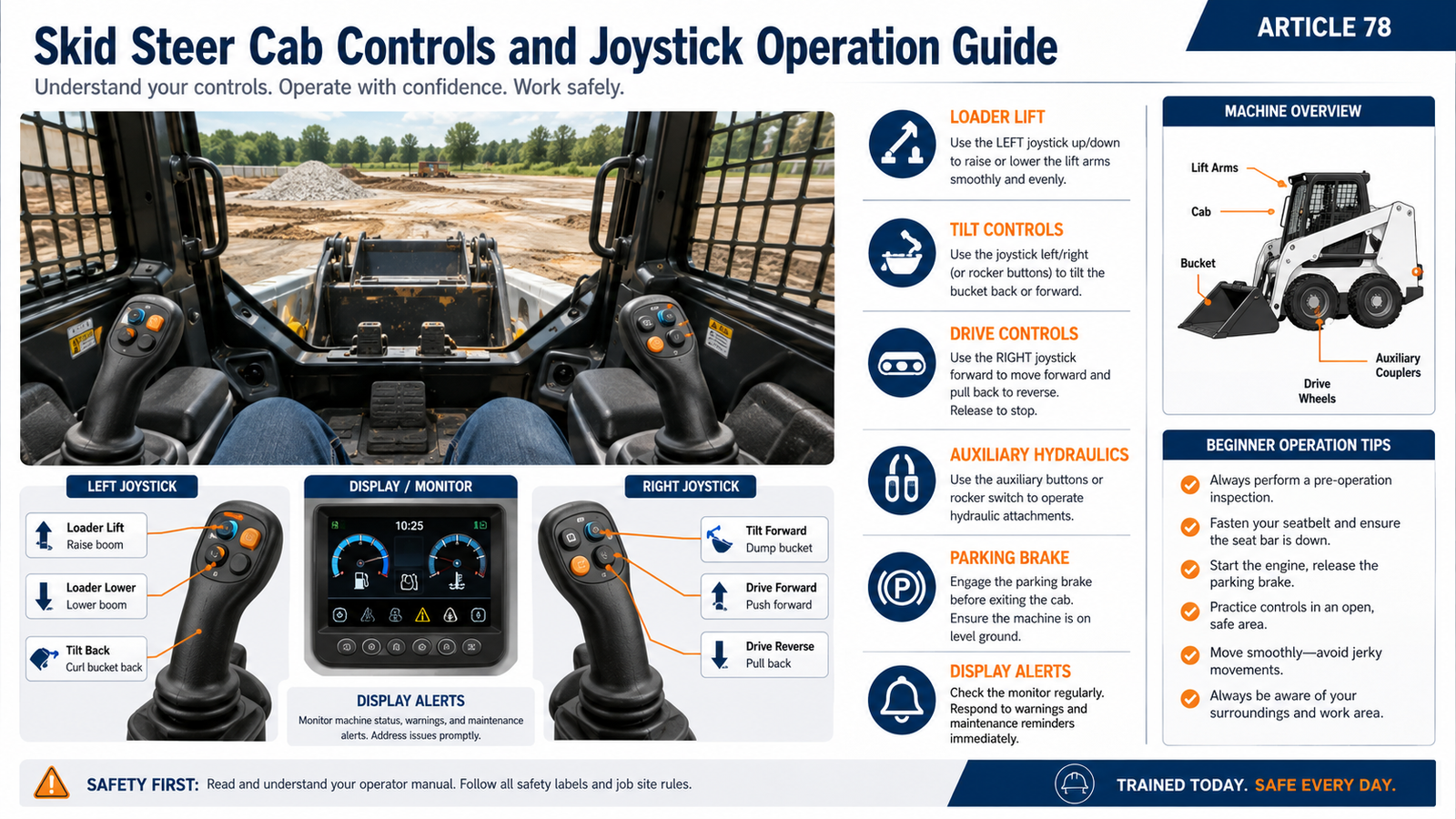
Figure 78.1 – Skid steer controls training guide.
Image Description: A 16:9 operator-training infographic showing joystick functions, monitor display, and machine overview callouts.
The Core Control Groups
Most skid steer control systems can be understood in several groups: drive and steering controls, loader lift and tilt controls, auxiliary attachment controls, display and warning systems, and machine safety devices such as lap bars or seat bars, parking brake controls, and hydraulic lockouts. Operators should learn each group separately before combining them during work. This approach makes the machine less intimidating and reduces confusion in the first days of operation.
Drive controls manage forward, reverse, and turning movement.
Lift and tilt controls operate the boom arms and bucket position.
Auxiliary controls power attachments such as augers, trenchers, or grapples.
Monitor displays communicate machine status and warnings.
Safety interlocks and lockouts help prevent unintended movement.
Safe Startup and First-Movement Habits
The startup sequence is as important as the controls themselves. Before operating, the operator should inspect the area, fasten the seat belt where required, lower safety restraint systems, confirm the parking brake status, and make sure no people are near the machine. Once the engine is started, movements should begin slowly. Smooth, deliberate joystick inputs are easier to control and allow the operator to learn the response of the machine and attachment without overcorrection.
Training in an open area is especially helpful for beginners. Practicing travel, stopping, lifting, tilting, and reversing without obstacles reduces stress and builds muscle memory. The goal is not speed at first—it is accuracy, awareness, and repeatable control.
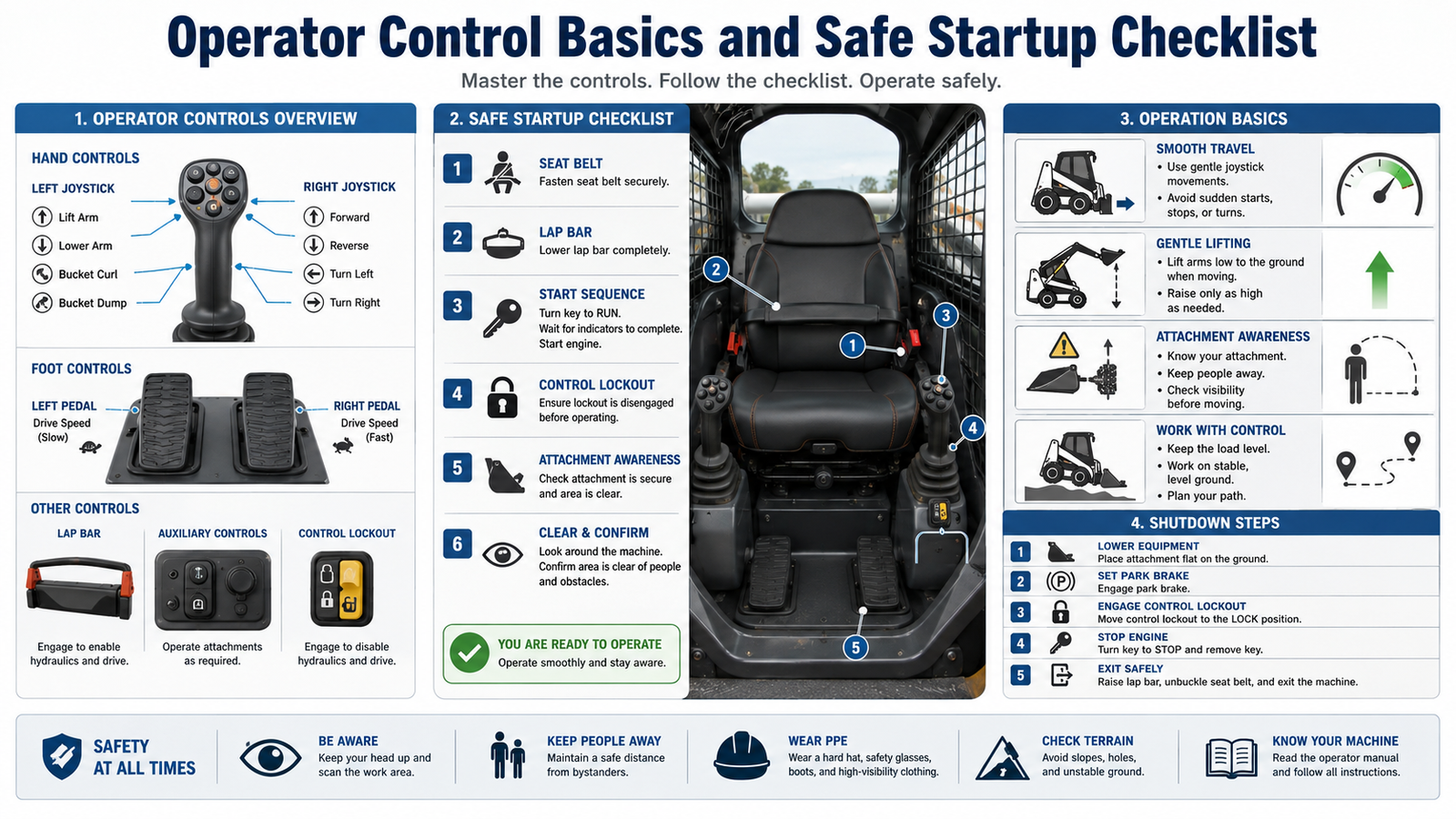
Figure 78.2 – Operator control basics and safe startup checklist.
Image Description: A training-style image showing control overview, startup steps, and safe operation reminders inside the cab.
Developing Better Operating Discipline
Good operators stay aware of machine position, bucket height, attachment condition, terrain, bystanders, and load behavior at all times. They keep movements smooth, avoid traveling too quickly with raised loads, and respect the limits of the machine. They also pay attention to monitor alerts and unusual sounds, rather than assuming the machine will continue working normally under all conditions. Control knowledge and situational awareness are inseparable.
Another key habit is shutdown discipline. Lowering the attachment, setting the parking brake, engaging lockout functions, and exiting carefully are just as important as starting correctly. An operator who respects both startup and shutdown routines is more likely to maintain overall machine safety.
Control Training Priorities
Learn each control group separately before combining them under load.
Use a safe open area for early practice and familiarization.
Start and move the machine smoothly rather than aggressively.
Watch displays and respect warning indicators.
Treat startup and shutdown routines as part of control mastery.
Frequently Asked Questions
What should a new operator learn first?
A new operator should first learn startup safety, drive and steering controls, and the basic lift and tilt functions before moving on to more advanced attachment use.
Why are slow movements recommended during training?
Slow movements help the operator understand machine response and reduce the risk of sudden, uncontrolled actions.
Are joystick layouts always the same?
No. Machines differ by manufacturer and setup, so operators should always confirm their specific control pattern and read the operator manual.
Key Takeaway
Control knowledge is a core safety skill. Operators who understand their machine’s layout and startup process work more smoothly, react better to conditions, and reduce avoidable risks.
Get More Expert Guides & Updates
Subscribe for Machinery.org guide updates and product learning content.