

Introduction
A cold planer attachment transforms a skid steer into a compact milling machine capable of removing asphalt or concrete with precision. This makes it particularly useful for patch preparation, trench repair, surface removal, and pavement preparation ahead of overlays or new surfacing work. For contractors working in road maintenance, utility repair, parking lots, or site preparation, the cold planer provides a high-value method for controlled material removal without requiring a full-size milling machine on every project.
The main advantage of a cold planer is controlled depth and clean cutting action. Instead of breaking material irregularly, the planer mills the surface in a more precise and repeatable way. This improves patch quality and helps crews deliver more professional finished work. Still, a cold planer is a specialized attachment, and performance depends on setup, cutting depth, drum condition, hydraulic compatibility, and work planning.
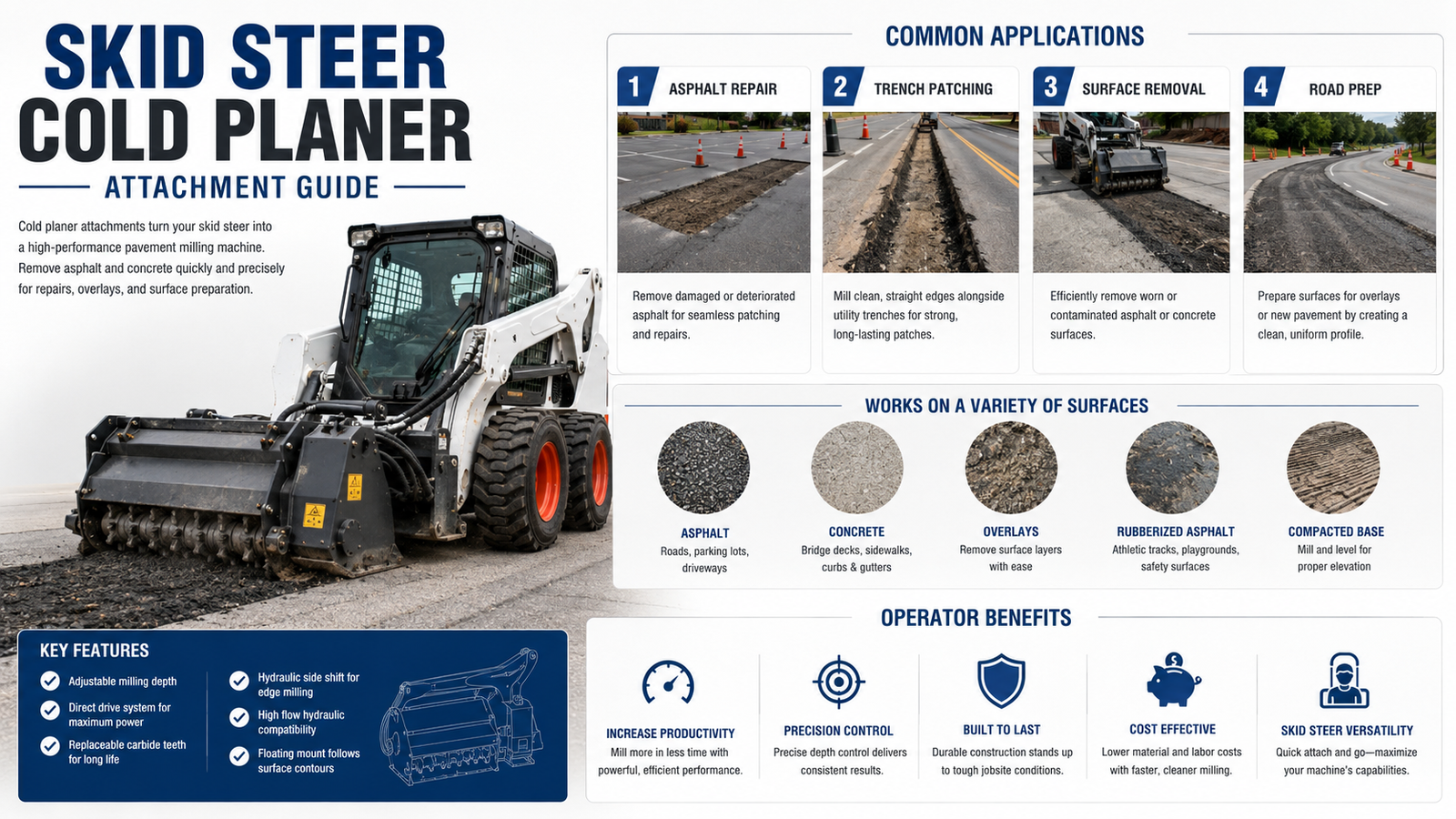
Figure 68.1 – Skid steer cold planer attachment guide.
Image Description: An infographic describing skid steer cold planer uses, common pavement applications, key features, and operator benefits.
Where Cold Planers Add Value
Cold planers are ideal for removing damaged asphalt, correcting utility trench patches, resurfacing small areas, and preparing road edges or parking lots for follow-up work. They are also useful when a contractor needs neat milling in areas where a large road machine would be excessive or impractical. Because they can follow a skid steer into tighter work zones, they extend pavement-maintenance capability into smaller jobs that still require professional results.
Good for asphalt repair, trench restoration, and patch preparation.
Useful for removing surface layers cleanly and with more control than demolition methods.
Practical for parking lots, driveways, sidewalks, shoulders, and smaller municipal work.
Helps prepare surfaces before overlays by creating a clean, uniform profile.
Setup, Depth Control, and Drum Condition
Proper depth control is central to productive milling. Operators should set depth according to the repair requirement and verify that the skid shoe height and planer alignment are even. Drum condition matters just as much. Worn, broken, or missing cutting teeth reduce efficiency and can affect cut quality. Before any job begins, the operator should inspect the drum, teeth, hardware, and hydraulic connections. Cold planer work is demanding, and small setup mistakes are magnified in the finished result.
Surface marking is also important. Operators should define the area to be milled, note edges, avoid unnecessary overlap, and plan passes before cutting begins. Clean execution usually reflects good preparation, not just good driving.
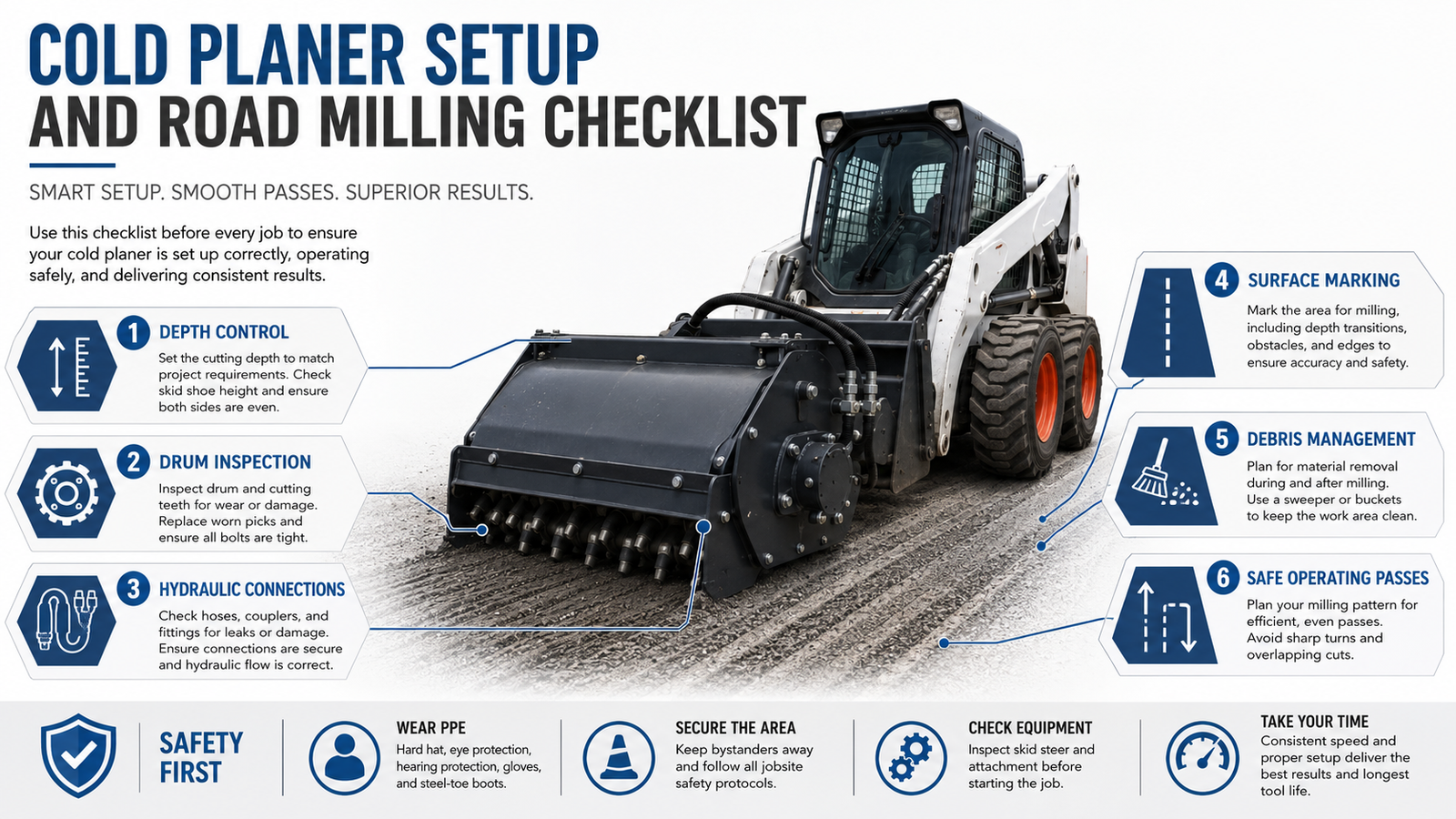
Figure 68.2 – Cold planer setup and road milling checklist.
Image Description: A checklist-style graphic showing depth control, drum inspection, hydraulic connections, surface marking, debris management, and safe operating passes.
Safe Operation and Work Pattern
A smart operator keeps bystanders clear, uses proper personal protective equipment, and plans debris management before starting. Because the planer removes material continuously, crews need a strategy for keeping the work zone organized and safe. Smooth passes, consistent speed, and careful control produce the best finish. Rushing or making abrupt turns reduces cut quality and can stress the equipment.
Cold planers also place steady hydraulic demand on the host machine, so buyers and operators should verify machine compatibility before use. Flow, pressure, and cooling capacity all matter. For long ownership life, cleaning the attachment after use and staying ahead of tooth replacement are essential habits.
Buying Considerations
Before buying a cold planer, think about the type of work you perform most often. Are you mainly repairing small patches, handling utility trench work, or milling larger site areas? Drum width, side-shift features, depth control, and parts availability all influence long-term value. As with most attachments, the best purchase is the one that fits your most common jobs instead of simply the most aggressive specification on paper.
Frequently Asked Questions
What is a cold planer used for?
It is mainly used to mill asphalt or concrete for repairs, trench restoration, surface removal, and pavement preparation.
Why is drum inspection important?
Because worn or damaged teeth reduce cutting quality, slow production, and increase operating costs.
Can a skid steer cold planer replace a full-size milling machine?
Not in every situation, but it is extremely effective for smaller, more targeted milling jobs where maneuverability and compact size are advantages.
Key Takeaway
Cold planers deliver real value when a contractor needs accurate, compact milling capability. Proper setup, tooth condition, and work planning are the keys to clean results and reliable attachment life.
Get More Expert Guides & Updates
Subscribe for Machinery.org guide updates and product learning content.