
Introduction
A forestry mulcher is one of the most powerful skid steer attachments available for land clearing, right-of-way maintenance, site preparation, and vegetation control. When a contractor, landowner, or property manager needs to turn dense brush and woody overgrowth into a manageable mulch layer, a properly matched forestry mulcher can save extraordinary amounts of labor compared with chainsaws, hand clearing, or repeated passes with lighter-duty cutting attachments. This is why forestry mulchers have become valuable tools in construction preparation, farm improvement, utility maintenance, and reclamation work.
However, a mulcher is also one of the most demanding attachments in the compact equipment market. It places heavy load on the machine’s hydraulic system, creates high-speed debris movement, and works in environments where rocks, stumps, wire, and hidden hazards are common. For Machinery.org readers, the smartest approach is to treat the forestry mulcher not as an accessory but as a specialized work system. Success depends on choosing the right host machine, understanding where the attachment performs best, and committing to safe, disciplined operating habits.
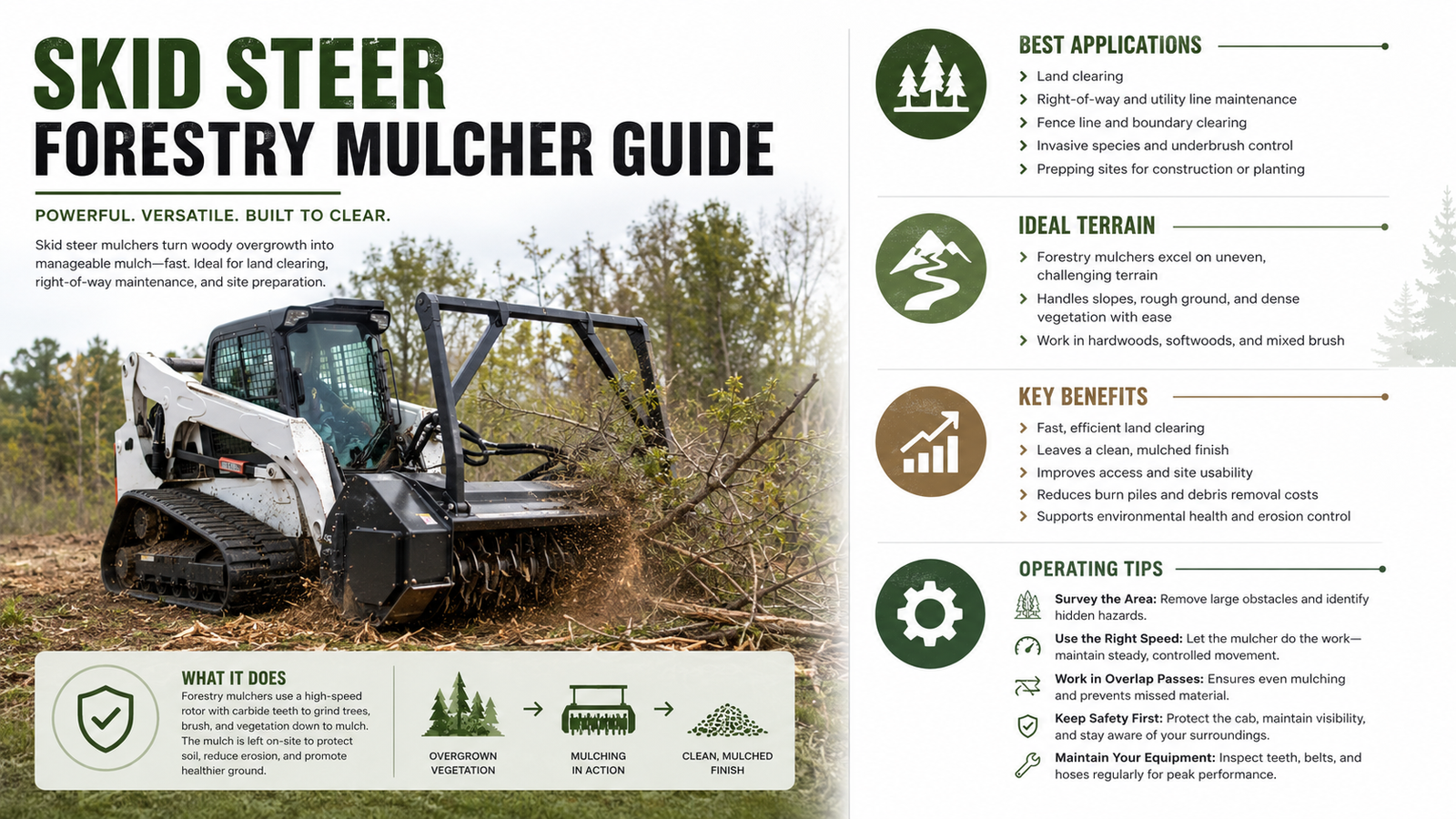
Figure 61.1 – Skid steer forestry mulcher overview guide.
Image Description: An infographic showing a skid steer forestry mulcher, common applications, terrain suitability, benefits, and operating tips.
Where Forestry Mulchers Add the Most Value
Forestry mulchers are best known for clearing saplings, dense brush, invasive growth, and overgrown pathways, but their value extends much further. Contractors use them to prepare building sites before excavation begins. Municipal and utility crews use them to maintain access roads, fence lines, and right-of-way corridors. Large rural properties use them to improve trails, reclaim neglected acreage, and reduce fire risk by managing underbrush. In many cases, the mulcher becomes a productivity multiplier because it cuts, grinds, and distributes material in one process rather than requiring multiple machines and cleanup stages.
Strong fit for land clearing, trail creation, fenceline maintenance, and utility access work.
Useful for turning dense brush and saplings into a mulch layer that remains on site.
Can reduce labor, hauling, and cleanup when compared with conventional clearing methods.
Most effective when paired with a machine that has the hydraulic flow, cooling capacity, and guarding to support demanding operation.
Machine Matching and Hydraulic Requirements
The first buying rule is to start with the attachment requirements, not simply the machine you already own. Many forestry mulchers require high-flow hydraulics and benefit from machines with strong cooling systems and robust guarding. If hydraulic output is too low, the rotor may bog down, cut poorly, and generate excess heat. That hurts both productivity and attachment longevity. In real operating terms, a poorly matched machine can make an expensive attachment feel disappointing and unsafe.
Operators should also think about machine weight and stability. A larger tracked skid steer often provides better flotation, balance, and traction than a smaller wheeled model when working in rough, soft, or sloped areas. Cooling capacity matters too. Mulching creates fine debris and sustained heavy load, both of which raise the risk of overheating. For that reason, many experienced users prioritize machines with easy-to-clean cooling packs and good engine-compartment protection.
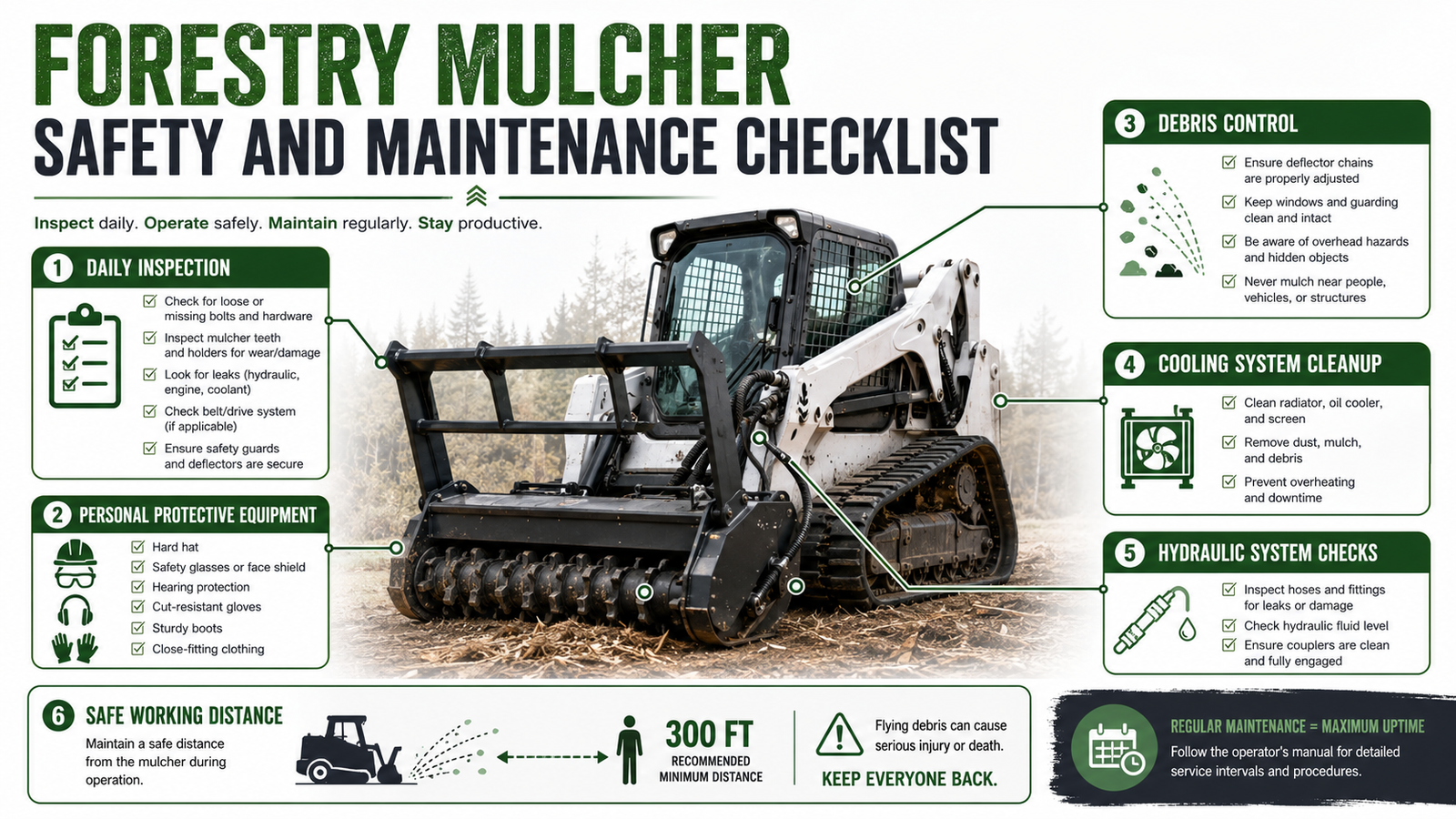
Figure 61.2 – Forestry mulcher safety and maintenance checklist.
Image Description: A detailed checklist graphic showing daily inspection points, PPE, debris control, cooling system cleaning, and hydraulic checks for a forestry mulcher.
Safe Operation and Maintenance Discipline
A forestry mulcher deserves a higher level of jobsite discipline than many other attachments. Before starting, the operator should walk the area to identify wire, rock piles, hidden stumps, fence debris, unstable slopes, and overhead obstacles. Because the cutting system can throw debris a long distance, bystanders, vehicles, and structures must be kept well outside the work zone. The machine should also be fitted with the proper guarding and the operator should use the personal protective equipment recommended by the manufacturer and jobsite rules.
Maintenance routines are equally important. The operator should inspect teeth or cutting tools, check for loose hardware, clean the radiator and oil cooler, inspect hoses, and watch for fluid leaks. Debris buildup around the machine and the attachment can increase fire risk and cause overheating. A disciplined operator who cleans, inspects, and services the machine daily will usually experience more uptime and a longer service life from both the carrier and the mulcher.
Buyer Strategy and Practical Ownership Advice
For many buyers, the real question is not whether a mulcher works, but whether it will generate enough value to justify the investment. That answer depends on the amount of woody vegetation you expect to clear, how often you need the capability, and whether the work is billable. A contractor specializing in land improvement, lot clearing, or utility access may recover the investment quickly. A farm or rural property owner with only occasional brush management needs might decide that renting or subcontracting makes more sense. Buyers should think in terms of utilization, service support, and long-term attachment wear rather than excitement alone.
Forestry Mulcher Checklist
Confirm hydraulic flow, operating pressure, and cooling capacity before purchase.
Inspect the work area before every job and remove major hazards whenever possible.
Maintain a generous debris safety zone and keep all bystanders away.
Clean the cooling system and remove debris buildup after every operating session.
Replace or rotate worn teeth according to the manufacturer’s maintenance guidance.
Frequently Asked Questions
Do forestry mulchers require high-flow hydraulics?
Many forestry mulchers do, especially heavier-duty models designed for dense brush and woody growth. Buyers should always match the attachment to the hydraulic flow and pressure recommended by the manufacturer.
What is the main advantage of a forestry mulcher?
Its biggest advantage is that it cuts and processes vegetation in one pass, reducing the need for manual cleanup, hauling, or secondary debris handling.
Is a forestry mulcher the same as a brush cutter?
No. There is overlap, but forestry mulchers are generally more specialized for woody vegetation and more demanding conditions, while brush cutters are often aimed at lighter vegetation and general clearing work.
Key Takeaway
A forestry mulcher delivers excellent clearing productivity when it is matched to the right machine, used with strict safety discipline, and maintained carefully. Buyers should focus on hydraulic compatibility, site conditions, and realistic utilization before investing.
Get More Expert Guides & Updates
Subscribe for Machinery.org guide updates and product learning content.