

Introduction
Greasing and lubrication are among the simplest maintenance tasks on a skid steer, but they are also among the most important. Lubrication reduces friction, protects pins and bushings, pushes out contaminants, and helps moving parts work smoothly under load. When grease points are ignored, wear accelerates quietly. Pivot areas develop play, attachments lose precision, joints become noisy, and repair costs grow long before the owner realizes how much damage has been accumulating.
For Machinery.org readers, lubrication should be viewed as a schedule-driven habit rather than a task performed only when something feels dry. Machines that are greased regularly generally last longer, respond more smoothly, and hold their value better over time. A few minutes spent with the right grease gun and the right routine can save many hours of downtime later. The biggest mistake is not complexity—it is inconsistency.
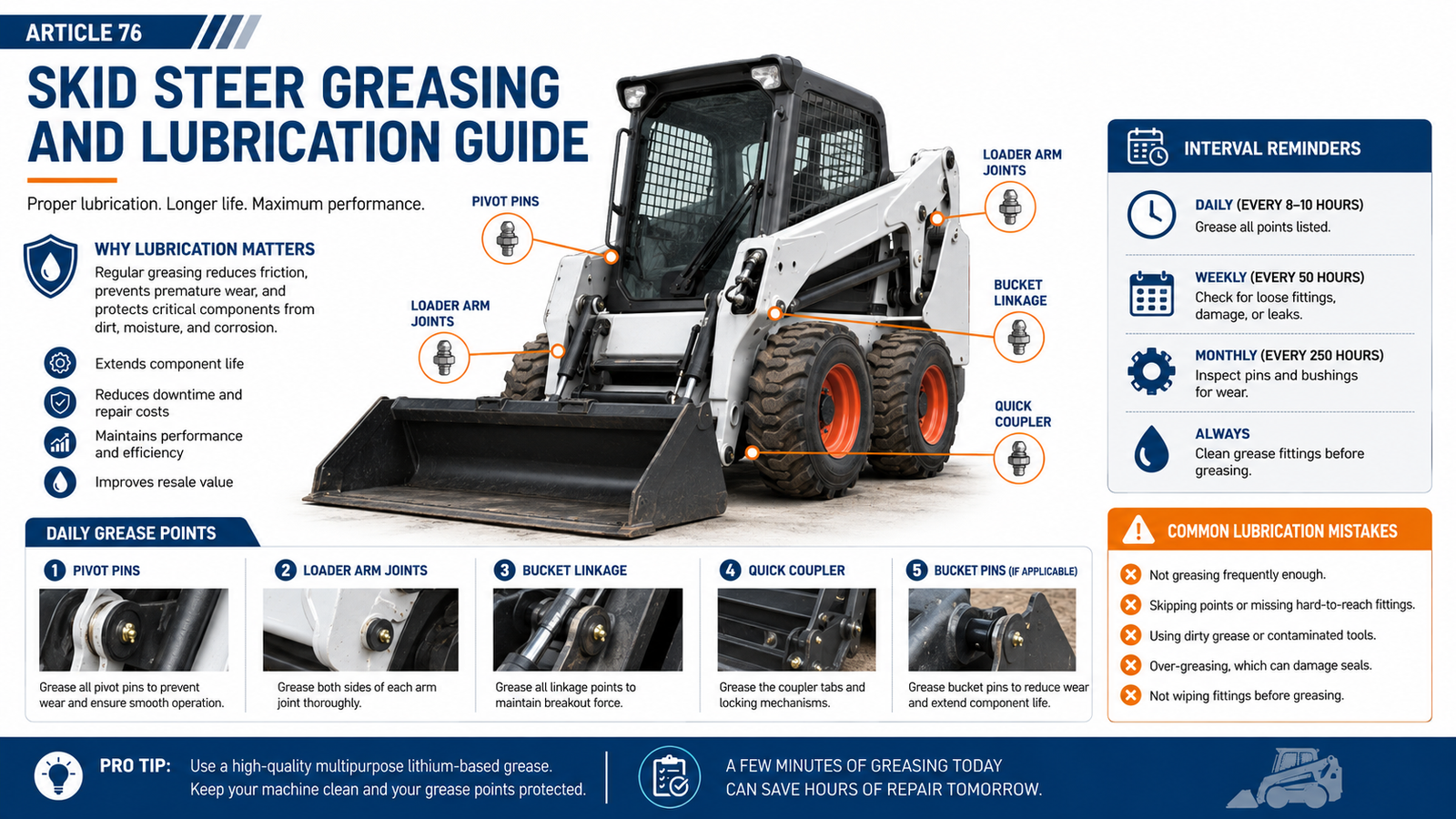
Figure 76.1 – Skid steer greasing and lubrication guide.
Image Description: A 16:9 infographic of a skid steer with callouts showing major grease points and lubrication reminders.
Why Proper Lubrication Matters
Every moving joint on a skid steer depends on proper lubrication to reduce metal-to-metal contact. Loader arm pivots, bucket linkages, quick couplers, and cylinder pin areas experience repeated movement and heavy force throughout each workday. Without fresh grease, these areas become vulnerable to accelerated wear, contamination intrusion, and corrosion. Machines operating in dirt, mud, dust, or wet environments need even more attention because contaminants work directly against the protective film that grease is supposed to provide.
Lubrication reduces friction and slows component wear.
Fresh grease helps displace moisture and contamination.
Correct lubrication keeps pins and bushings operating smoothly.
Routine greasing can reduce repair costs and unplanned downtime.
A consistent grease schedule helps owners protect resale value.
Building a Practical Grease Routine
A useful lubrication routine begins by identifying all regular service points on the machine and the attachment being used. Many operators focus only on the obvious joints and forget coupler locations or attachment points that see just as much stress. Fittings should be wiped clean before greasing to avoid injecting dirt into the joint. The correct grease type should be used according to the machine manual, and grease should be applied until fresh material appears or until the procedure recommended by the manufacturer has been completed.
Owners should also pay attention to how the machine is being used. A skid steer working long hours with attachments or operating in wet, abrasive conditions may need more frequent greasing than a lightly used machine. Service intervals in the manual are the starting point, but environment and workload affect real-world needs. Listening for squeaks and feeling looseness is helpful, but the best approach is to lubricate before such warning signs appear.
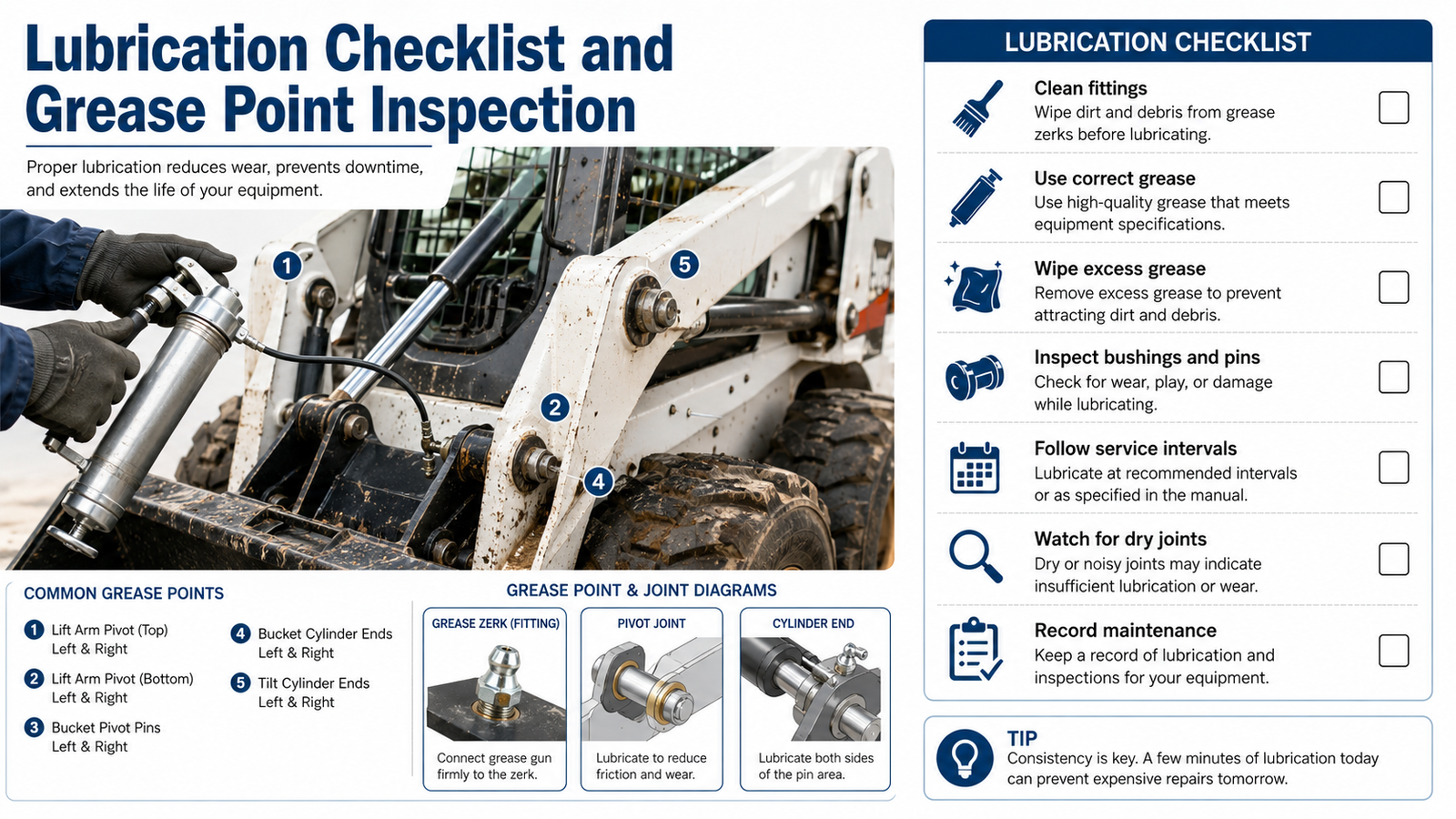
Figure 76.2 – Lubrication checklist and grease-point inspection.
Image Description: A checklist-style image showing grease fitting cleaning, grease-point examples, and best practices for routine lubrication.
Common Lubrication Mistakes
Several lubrication mistakes appear repeatedly in the field. Operators sometimes use dirty grease fittings, apply the wrong type of grease, skip hard-to-reach points, or forget to wipe off excess material that attracts abrasive dirt. Over-greasing can also be a problem in some locations if it damages seals or creates unnecessary mess. Another common issue is failing to connect lubrication habits with inspection. Each grease session is also an opportunity to look for cracks, loose hardware, leaking seals, or abnormal wear around the joint.
Recording service intervals creates even more value. A log of daily, weekly, or hourly lubrication points helps owners stay ahead of wear and identify patterns. Consistent service history is also useful if a fleet is being managed by multiple operators.
Best Practices for Lubrication
Use the correct grease and follow interval recommendations.
Clean fittings before and after greasing.
Include the machine and the attachment in the lubrication routine.
Treat greasing as an inspection opportunity, not only a service step.
Keep records so maintenance stays consistent across operators and work cycles.
Frequently Asked Questions
How often should a skid steer be greased?
The exact answer depends on the machine, attachment, and operating conditions, but many key points need frequent attention. Always start with the manual and adjust for severe service.
Why should I wipe grease fittings before lubricating?
Dirty fittings can push contamination directly into the joint, which defeats the purpose of lubrication and can speed up wear.
Can too much grease be a problem?
Yes. Over-greasing can create mess, attract dirt, and in some situations stress seals. The goal is correct lubrication, not simply more lubrication.
Key Takeaway
Lubrication is one of the easiest high-value service habits in skid steer ownership. Consistent greasing protects components, improves machine feel, and prevents a great deal of avoidable wear.
Get More Expert Guides & Updates
Subscribe for Machinery.org guide updates and product learning content.