

Introduction
One of the biggest reasons skid steers are so versatile is the speed at which they can switch from one task to another. That flexibility depends heavily on the quick coupler system. A good quick coupler and a disciplined attachment-change process make it possible to move from bucket work to forks, grapples, augers, or other tools with minimal downtime. For Machinery.org readers, this is an important ownership topic because faster changeovers improve productivity only when they remain safe and precise.
Attachment changes may look simple, but they involve several risk points: alignment, lock engagement, hydraulic connections, residual pressure, and post-change testing. Small mistakes during changeover can create equipment damage, hydraulic contamination, or a dangerous incomplete connection. The best operators treat attachment changes as a repeatable procedure rather than a casual routine.
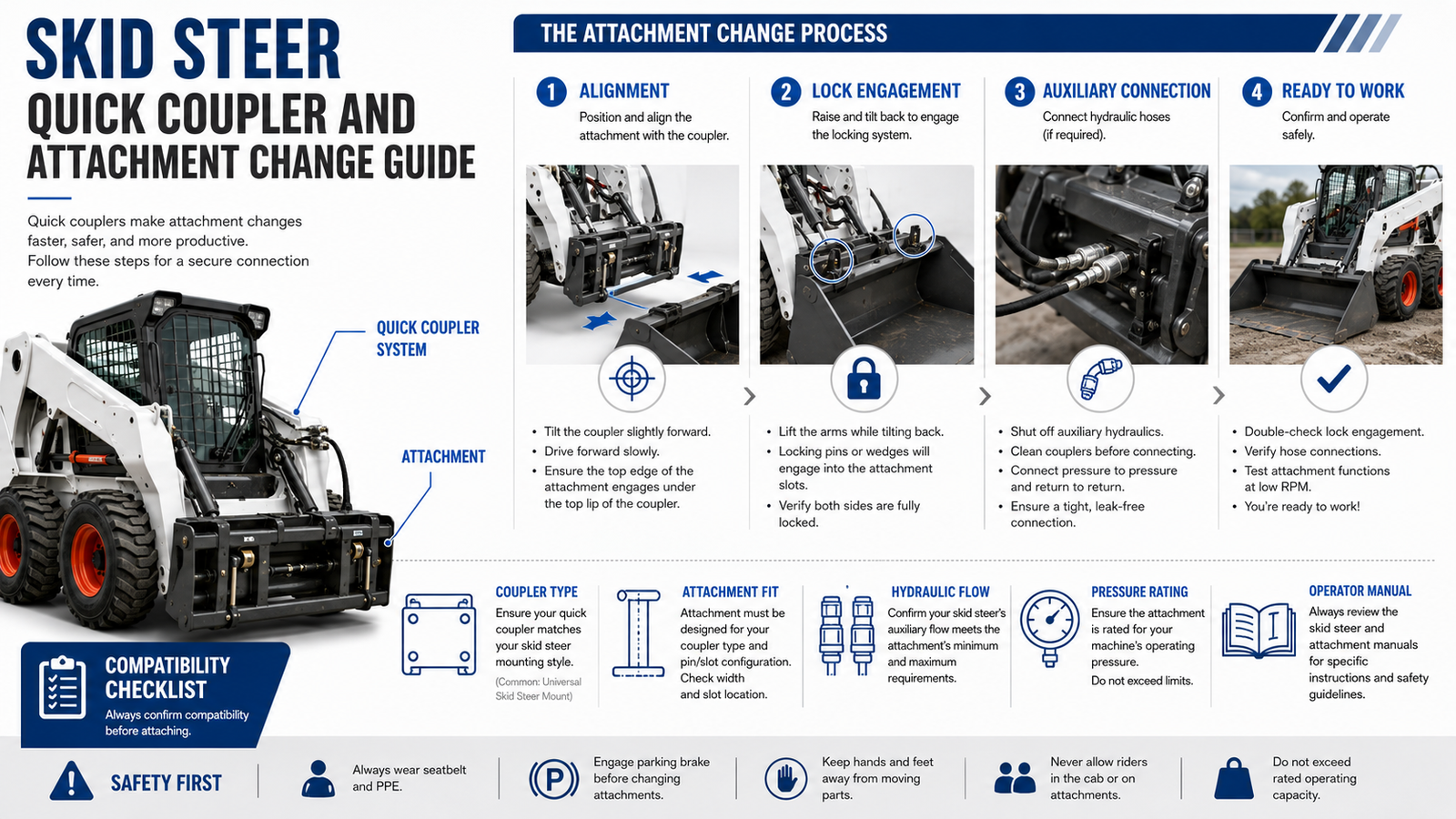
Figure 70.1 – Skid steer quick coupler and attachment change guide.
Image Description: An infographic explaining the attachment change process, coupler compatibility, hydraulic flow, pressure rating, and basic safety notes.
The Basic Attachment Change Process
A safe change starts with positioning the machine and aligning the coupler with the attachment. The top edge of the attachment should engage properly as the coupler tilts and lifts into place. Next comes lock engagement. The operator must verify that both sides are fully locked, whether the system uses pins, wedges, or another locking design. If the attachment uses hydraulics, the next stage is connecting auxiliary lines after ensuring the system is safe to handle. Once connected, the attachment must be tested carefully at low RPM before returning to work.
Align the coupler and attachment carefully before lifting.
Confirm that both locking points are fully engaged.
Clean and connect hydraulic couplers only when safe to do so.
Test the attachment through its full range of motion after connection.
Never rush the process just because the system is designed for quick change.
Compatibility and Coupler Awareness
Not every attachment is automatically compatible simply because it appears to fit. Buyers should verify the coupler type, attachment width, pin or slot configuration, flow requirements, and mounting style. A mismatch can create poor performance or safety hazards. This is particularly important when mixing brands or using older attachments with newer machines.
Hydraulic cleanliness is another major consideration. Dirty couplers or poor hose handling can introduce contamination into the system. Residual pressure can also make connections difficult or unsafe if the operator does not release pressure properly before disconnecting and reconnecting lines.
Figure 70.2 – Attachment change safety and daily inspection checklist.
Image Description: A detailed checklist image covering locking pins, hose cleanliness, pressure release, wear inspection, safe parking position, and post-change testing.
Daily Inspection and Safety Habits
The best practice is to inspect the coupler and attachment plate regularly for wear, cracks, and lock condition. Operators should confirm that pins move correctly, hoses are not damaged, and the connection area is clean. When changing attachments, the machine should be parked on level ground, the attachment lowered flat, the parking brake engaged, and the engine shut off when appropriate for the procedure. These simple habits reduce most common changeover mistakes.
After any change, the operator should perform a post-change test procedure. Start the engine, re-pressurize the system as needed, watch for leaks, cycle the attachment, and verify function before returning to active work. This final check is what turns a quick change into a safe and reliable one.
Why This Topic Matters to Owners
Owners often focus on attachment selection but overlook changeover efficiency. In real fleet use, however, every minute saved in switching tools adds up. A strong quick coupler process helps crews work faster without creating preventable risk. It also protects expensive attachments by ensuring they are connected cleanly and correctly each time.
Frequently Asked Questions
Why is the quick coupler so important?
Because it is the system that allows a skid steer to switch between tasks rapidly, making the machine far more versatile and productive.
What is the most important safety check after mounting an attachment?
Verify full lock engagement and then test the attachment at low RPM before resuming work.
Why should hydraulic couplers be kept clean?
Clean couplers help prevent contamination, connection issues, and premature hydraulic system problems.
Key Takeaway
Quick couplers unlock skid steer versatility, but safe changeovers require structure. By following a clear attachment-change procedure and inspecting the system regularly, owners can improve productivity without sacrificing safety.
Get More Expert Guides & Updates
Subscribe for Machinery.org guide updates and product learning content.