
Introduction
Tires, tracks, and undercarriage components are where the skid steer meets the ground. They influence traction, stability, ride quality, lifting confidence, fuel efficiency, and operating cost. A machine with poor tire pressure, damaged tread, loose tracks, packed debris, or worn rollers may still move, but it will not perform safely or efficiently. The operator may feel loss of control, uneven steering, rough travel, or reduced pushing power long before a complete failure occurs.
Because skid steers work in abrasive and unpredictable environments, ground-contact components deserve daily attention. Tires are exposed to nails, rebar, sharp rocks, and sidewall impacts. Tracks are exposed to packed mud, demolition debris, stones, and tension changes. Undercarriage parts are expensive to replace, so early inspection is one of the best ways to protect ownership value. A few minutes spent checking these areas can prevent a long list of avoidable problems.
This article explains how to inspect tire pressure and tread, how to think about track tension, and why undercarriage cleaning matters. The goal is to help Machinery.org readers connect inspection habits with machine control and long-term cost management.
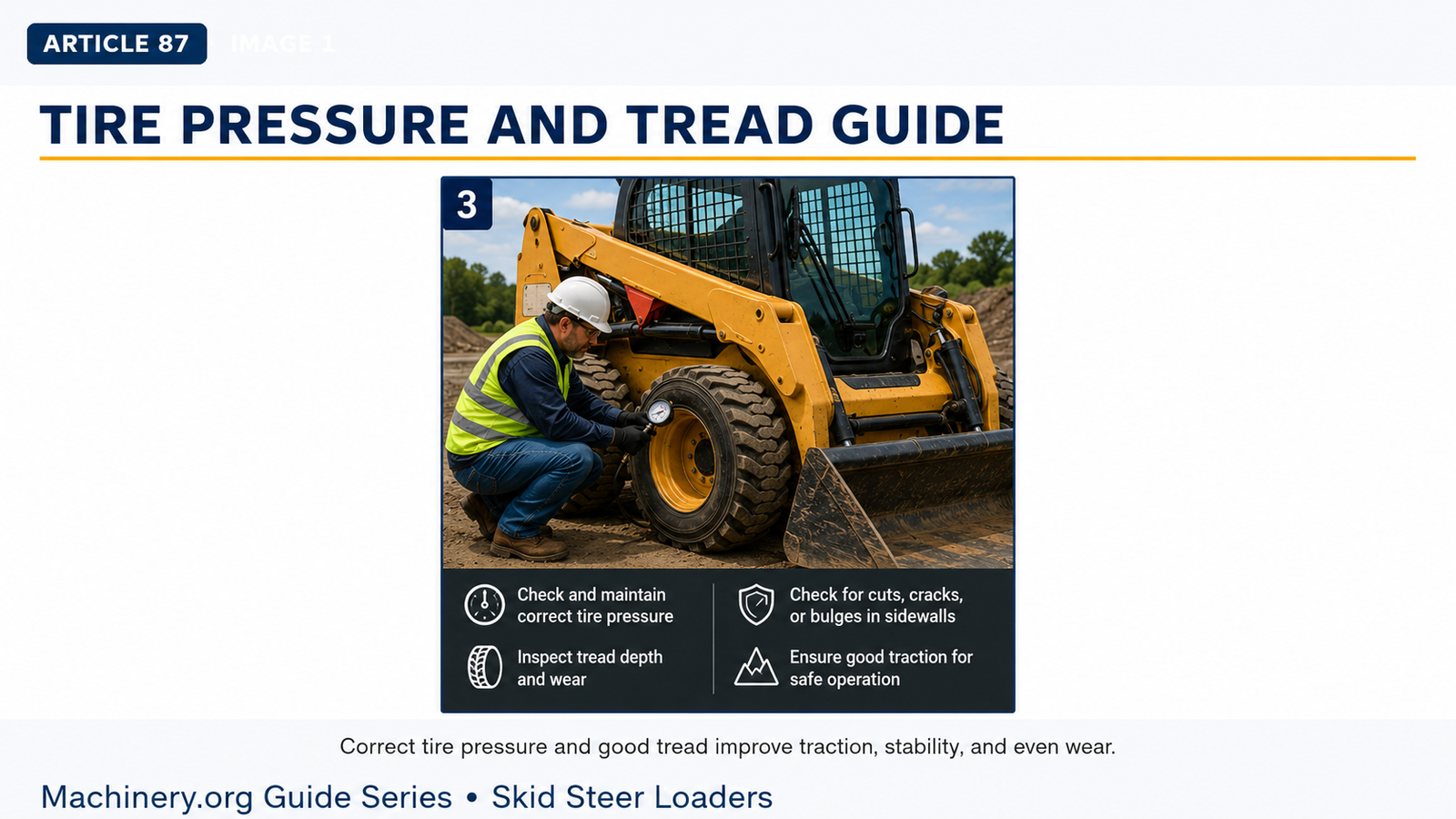
Figure 87.1 - Tire pressure and tread inspection guide.
Image Description: A technician checking skid steer tire pressure and tread condition with reminders about sidewall damage, traction, and safe operation.
Tire Pressure, Tread, and Sidewall Condition
On wheeled skid steers, tire pressure affects traction, stability, ride quality, and tire wear. Underinflated tires may flex too much, create heat, reduce stability, and wear unevenly. Overinflated tires can reduce traction and make the machine harsher over rough ground. Operators should follow the recommended pressure for the tire and application rather than guessing by appearance alone. A tire can look acceptable and still be far from the correct pressure.
Tread condition is just as important. Worn tread reduces grip, especially on loose soil, wet surfaces, or slopes. Cuts, cracks, sidewall bulges, exposed cords, or embedded objects should be addressed before the machine is pushed into demanding work. If a tire shows repeated damage, the owner should also consider whether the jobsite surface, tire type, or operating habits are contributing to the problem.
Check tire pressure with a gauge rather than relying only on visual judgment.
Inspect tread depth and look for uneven wear across the tire surface.
Look closely at sidewalls for cuts, bulges, cracks, and impact damage.
Remove embedded debris carefully and investigate repeated punctures.
Match tire type to the work environment when damage is frequent.
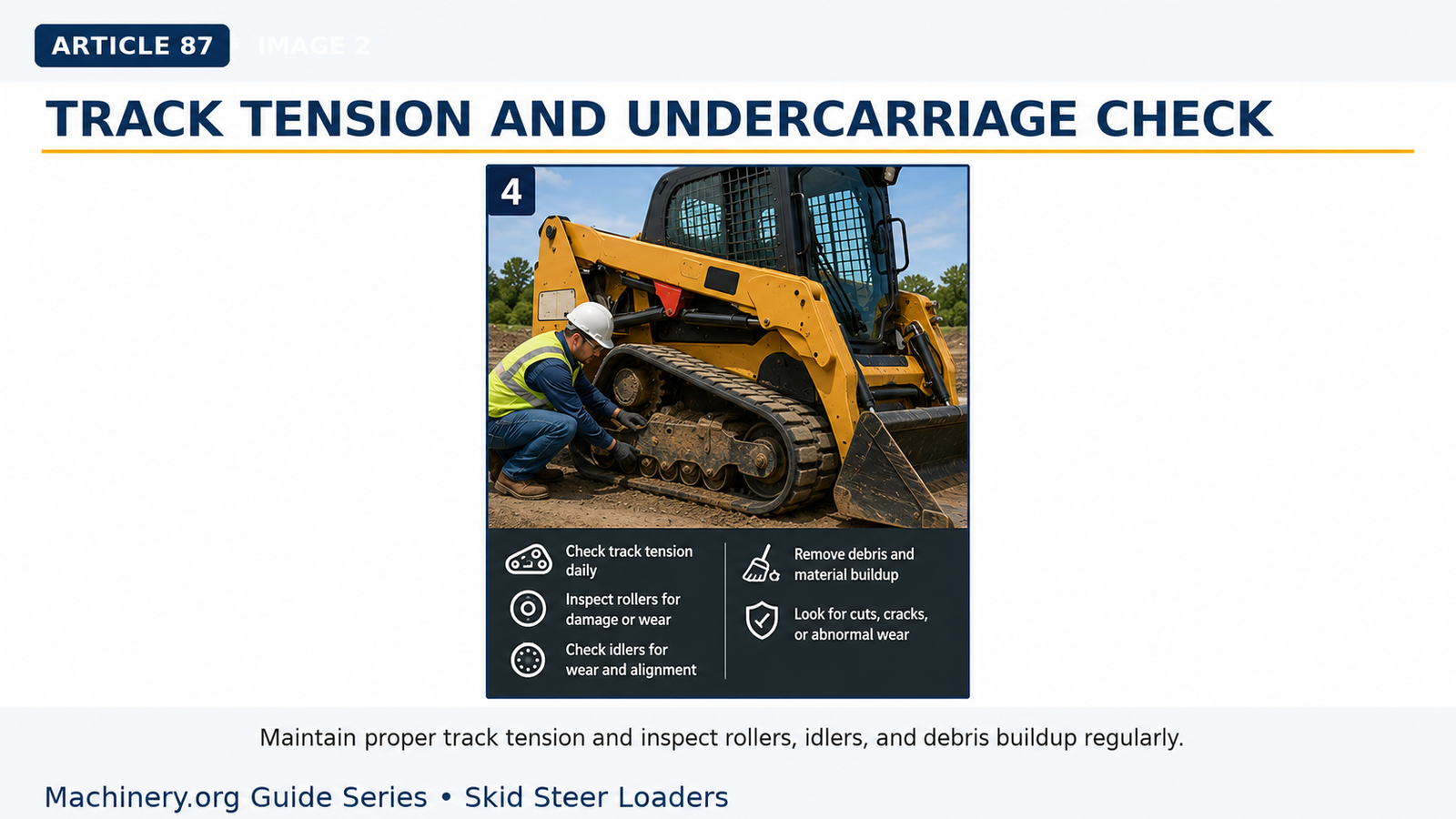
Figure 87.2 - Track tension and undercarriage check guide.
Image Description: A technician inspecting a compact track loader undercarriage with guidance on track tension, rollers, idlers, debris buildup, and abnormal wear.
Track Tension and Undercarriage Care
Tracked machines require a different inspection mindset. Track tension must be correct because both loose and over-tight tracks cause problems. A track that is too loose may derail, steer poorly, or wear unevenly. A track that is too tight increases stress on rollers, idlers, sprockets, and the track itself. Correct tension should be measured according to the machine manual, not estimated casually. This is especially important after working in mud, rock, or demolition debris.
Undercarriage cleaning is often overlooked because packed mud and stones can seem normal. However, debris buildup traps moisture, increases abrasion, hides damage, and can interfere with moving components. Rollers, idlers, sprockets, and track edges should be inspected for leakage, missing pieces, abnormal wear, and alignment issues. An undercarriage problem discovered early is usually cheaper than one discovered after a track comes off on a jobsite.
Clean packed mud, stones, and material buildup from the undercarriage.
Check track tension according to the manufacturer procedure.
Inspect rollers, idlers, sprockets, and track edges for damage or leaks.
Watch for uneven wear patterns that may indicate alignment or operating issues.
Correct tension and wear problems before heavy work begins.
How Ground-Contact Problems Affect Operation
Ground-contact issues affect more than movement. Poor traction makes grading, pushing, and loading less precise. Uneven tire pressure can cause the machine to lean, changing bucket angle and making finish work harder. Loose tracks can reduce confidence on slopes or during turns. Worn undercarriage components can create vibration, noise, and higher repair cost. Operators often notice these symptoms as a change in machine feel, which is why experienced operators pay attention when a skid steer suddenly handles differently.
Owners should also connect tire and track condition with fuel and production. A machine fighting poor traction or dragging a damaged undercarriage uses more energy to complete the same task. Good maintenance therefore protects both safety and efficiency.
Investigate handling changes immediately instead of adapting to them.
Keep inspection notes so wear patterns can be tracked over time.
Rotate, repair, or replace components according to the correct maintenance strategy.
Do not operate with known defects that affect stability or steering.
Treat tires, tracks, and undercarriage parts as core safety components.
Frequently Asked Questions
Can I judge tire pressure by looking at the tire?
Visual inspection helps, but a pressure gauge is more reliable. Many tires look acceptable while still being underinflated or overinflated.
What happens if track tension is wrong?
Loose tracks can derail or wear unevenly, while over-tight tracks can increase stress and accelerate undercarriage wear.
How often should the undercarriage be cleaned?
Clean it as often as conditions require. In mud, rock, snow, or demolition debris, cleaning may be needed daily or even more often.
Key Takeaway
Tires, tracks, and undercarriage parts control how the machine meets the ground. Inspect them daily, keep tension and pressure correct, and clean debris before small wear turns into major repair cost.
Get More Expert Guides & Updates
Subscribe for Machinery.org guide updates and product learning content.