
Machinery.org editorial guide • Part 1 image batch
Draft word count: 1,337 words
Introduction
Wheeled vs Tracked Skid Steer is an important subject for owners, operators, contractors and first-time buyers who need practical answers rather than marketing claims. The correct decision depends on the work being performed, the site, the operator, the machine configuration and the support available after purchase. In this guide, wheeled vs tracked skid steer is explained in a way that connects specifications with real jobsite results. The discussion covers planning, technical fundamentals, operating considerations, inspection points, ownership cost and common mistakes. Because machine designs vary, the operator’s manual, capacity chart, safety labels and local regulations must always take priority over general advice. Use this article as a framework for asking better questions, comparing options consistently and documenting the reasons behind a final decision.
Why this topic matters
Decisions about wheeled vs tracked skid steer affect productivity, safety and long-term cost at the same time. A machine that appears suitable on paper can still be a poor fit when access is tight, the ground is weak, the attachment is too heavy or the service network cannot supply parts quickly. For skid steer loader, the most useful evaluation starts with the actual job cycle: what material is handled, how far it must move, how often the cycle repeats and what accuracy is required. The main risks include rollover, blind spots, raised-arm hazards, attachment mismatch and tire or track damage. A disciplined process makes those risks visible before money is committed or work begins. It also helps different team members—owner, operator, mechanic and supervisor—use the same criteria instead of relying on personal preference alone.
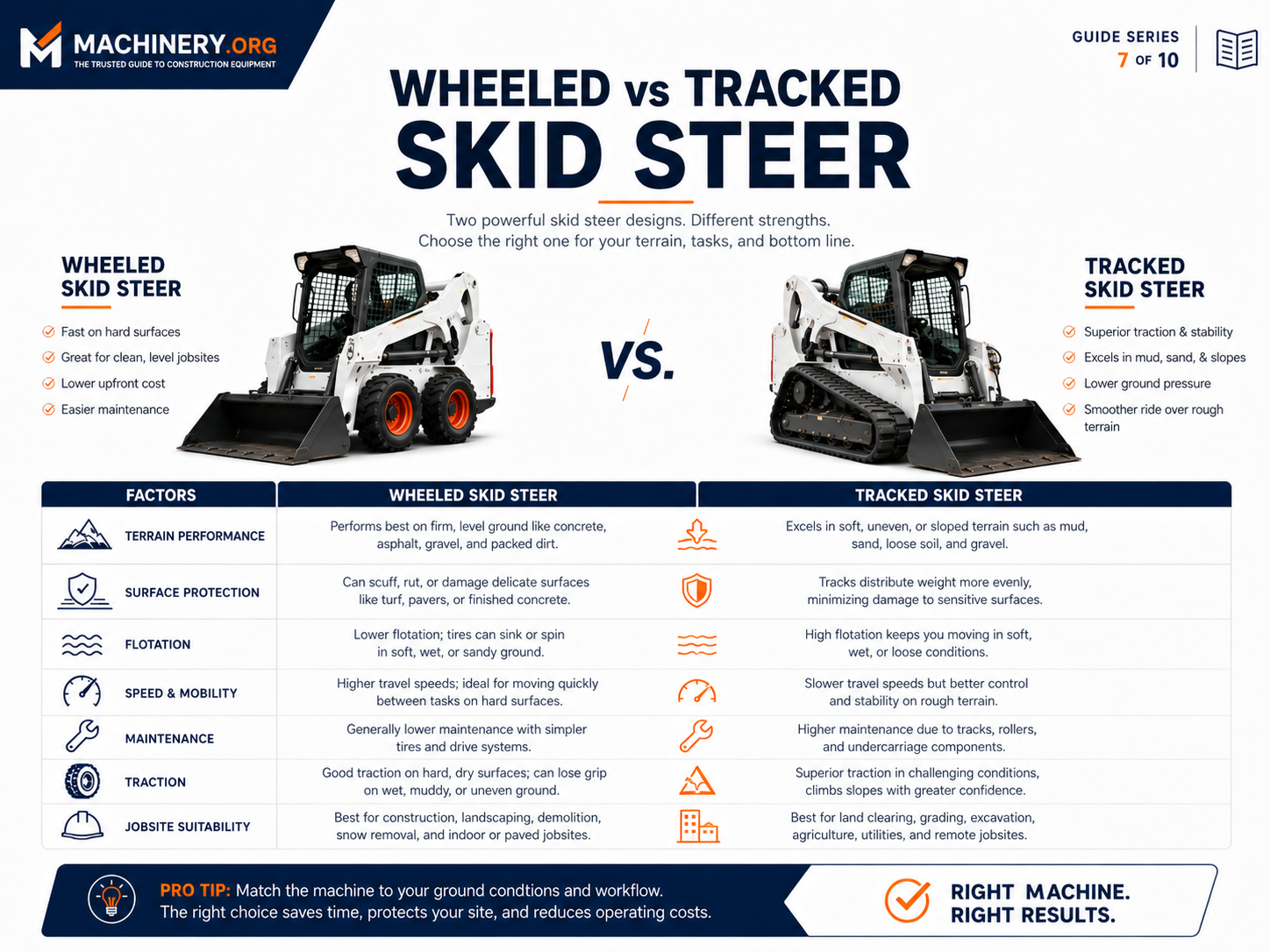
Figure 1. Performance and ownership comparison of wheeled and tracked skid steers.
Technical foundation
The technical foundation begins with the relationship between the machine’s power source, engine, hydrostatic drive, lift arms, quick-attach interface, tires or tracks and auxiliary hydraulics. These systems do not operate independently. More hydraulic flow may improve an attachment only when pressure, cooling and hose size are also adequate. More operating weight may improve stability but can increase transport cost and ground damage. Greater lift height or reach can reduce capacity at the edge of the working envelope. The most relevant measurements for this topic include rated operating capacity, tipping load, hydraulic flow, lift path, machine width, ground pressure and attachment weight. Read each specification together with its test condition and limitation. Rated values are not promises for every situation; they are reference points produced under defined conditions.
Manufacturer charts and manuals should therefore be reviewed before comparing brands or planning a lift, slope, trench or transport move.
Understanding Wheeled
Wheeled should be evaluated as a complete working system, not as a single specification. Its strongest advantage usually appears when the job matches its geometry, traction, access and attachment range. Consider how the operator enters the machine, sees the work area, changes tools and controls the load throughout the cycle. Also consider the support equipment required to move, fuel and maintain it. A lower purchase price can be offset by slower cycles, more surface repair or limited attachment compatibility. Record the conditions in which wheeled performs best, the tasks it can complete acceptably and the tasks that should be assigned to another machine. This prevents a comparison from turning into a contest over one headline number.
Understanding Tracked Skid Steer
Tracked Skid Steer may solve the same project through a different method. Its value should be judged by production per hour, quality of the finished work, operator workload and the number of extra machines or laborers it replaces. Pay close attention to stability, access dimensions, ground pressure, lift path, reach and visibility. A design that is excellent in open ground may be frustrating near buildings, while a compact design may sacrifice capacity or ride quality. Service intervals and wear components can also differ significantly. The best comparison describes the operating environment first and then asks which machine produces the required result with the lowest combination of risk, time and total cost.
Side-by-side decision framework
Create a simple decision matrix with weighted criteria rather than choosing by instinct. Useful criteria include ground pressure, traction, surface damage, wear cost, transport requirements, operator availability, attachment ownership, dealer support and resale demand. Give the highest weight to criteria that can stop the job, such as access, required capacity or regulatory limits. Give lower weight to comfort features that do not change production or risk. Test both alternatives in the same material when possible and record cycle time, fuel use, rework and operator comments. The result may show that one option is the primary machine while the other is a useful rental for occasional work. A documented matrix also makes the decision easier to explain to partners, lenders and customers.
Common mistakes to avoid
The most common mistake is choosing a solution from one impressive number or one successful demonstration. Other mistakes include ignoring attachment weight, assuming all couplers are interchangeable, using maximum capacity as a routine target, overlooking transport dimensions and delaying maintenance until a warning appears. Operators may also compensate for a poor machine match by working faster, carrying loads too high or using excessive hydraulic pressure. Buyers sometimes focus on purchase price while ignoring downtime, wear parts and resale. A better approach is to compare complete job cycles, document limits and leave a safety and production margin. When information conflicts, the manufacturer’s current manual and qualified technical support should decide the issue.
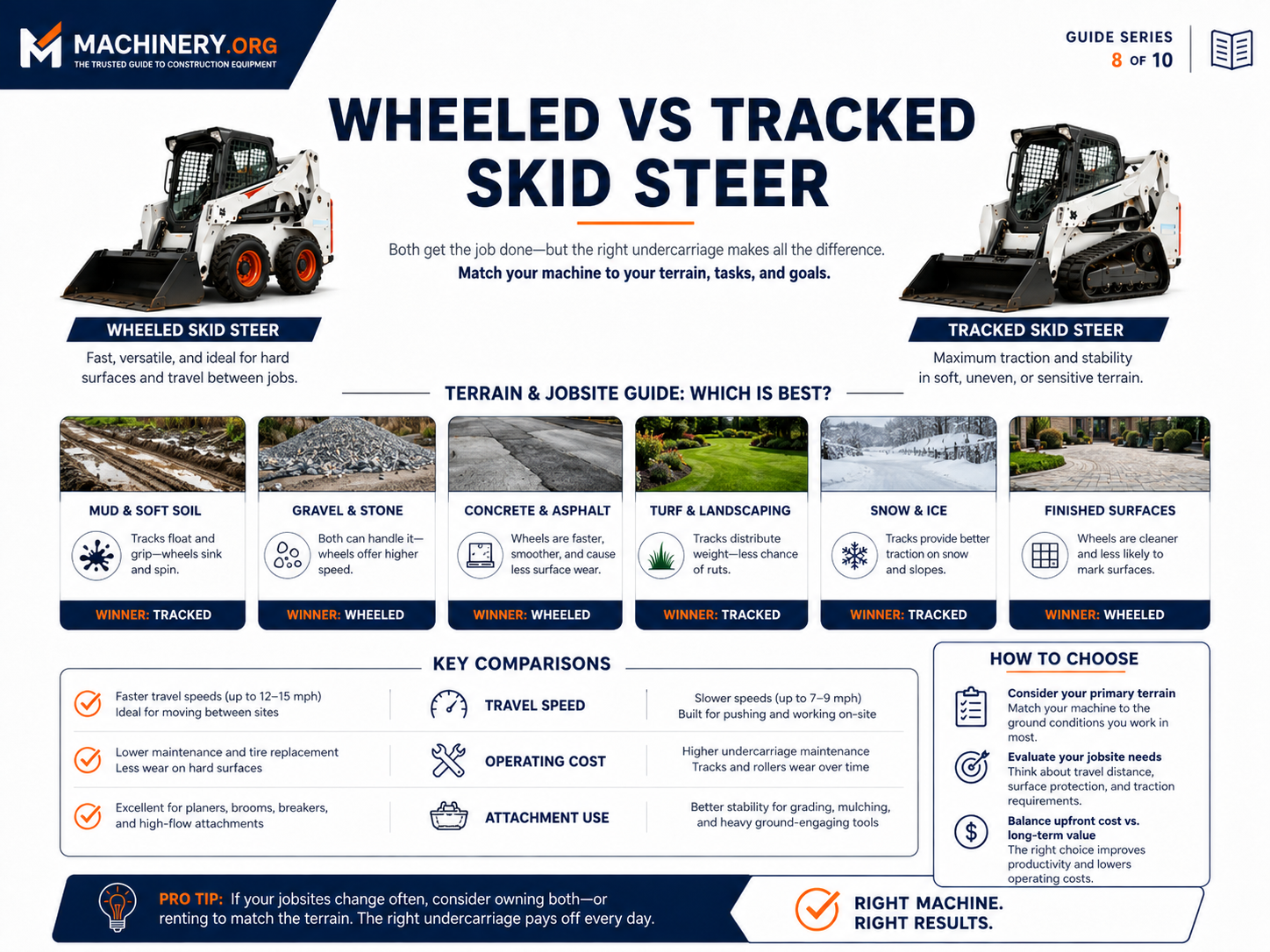
Figure 2. Terrain and jobsite guide for selecting wheels or tracks on a skid steer.
Practical checklist
Use this checklist before purchasing, assigning or operating equipment for this topic: 1) Write the exact task, material and desired finished result. 2) Confirm access, surface, slope, overhead and transport limits. 3) Review rated operating capacity, tipping load, hydraulic flow, lift path, machine width, ground pressure and attachment weight. 4) Check the machine, attachment and support-equipment combination. 5) Inspect safety devices, structure, wear points and service records. 6) Test the equipment in representative conditions when practical. 7) Estimate fuel or energy, maintenance, transport, labor and downtime. 8) Document the final limits, settings and reasons for the decision. The checklist is intentionally broad so it can be adapted to a small owner-operated machine or a larger fleet. Add model-specific values from the manual and keep the completed version with the job plan or equipment record.
Cost, productivity and ownership impact
The best technical choice must also work financially. Estimate ownership cost per month and operating cost per productive hour. Include finance or depreciation, insurance, storage, transport, energy, routine service, wear parts and expected repairs. Then estimate realistic utilization and production, allowing for setup, attachment changes, breaks, weather and waiting time. For skid steer loader, improved versatility may reduce the need for another machine, but a complex attachment can add maintenance and training. Low ground damage, better access or a cleaner finished surface may create value that is not visible in cycle time alone. Review the estimate after several jobs and replace assumptions with actual records.
Frequently asked questions
What is the first thing to check? Start with the job requirement and the manufacturer’s limitations, then confirm the machine configuration. Is a larger machine always more productive? No. A larger machine can be slower or more expensive when access, transport, surface damage or attachment changes control the job. Can published specifications be compared directly? Only when definitions and test conditions are equivalent. Should an operator rely on experience instead of the manual? Experience is valuable for planning and smooth control, but it does not replace capacity charts, safety instructions or maintenance procedures. When should professional help be used? Use qualified dealers, engineers, inspectors or technicians whenever the decision involves structural damage, critical lifting, complex diagnostics, legal compliance or a condition that cannot be verified safely.
Conclusion
A reliable approach to wheeled vs tracked skid steer combines technical information with observation, testing and disciplined documentation. Define the work, understand how the relevant systems interact, compare complete configurations and verify limits before operation. Protect the decision with inspection, training, maintenance and a clear stop-work rule. The objective is not to find the machine with the most impressive specification; it is to choose and operate equipment that produces the required result safely, consistently and profitably. Keep this guide with model-specific manuals, service records and jobsite procedures so the advice becomes part of a repeatable management system rather than a one-time reading exercise.
Publication note: Add links to related machinery.org categories, product pages and contact forms before publishing.
Get More Expert Guides & Updates
Subscribe for Machinery.org guide updates and product learning content.