Komatsu Reopens Redding Branch to Expand Construction and Forestry Equipment Support in Northern California
Komatsu has reopened its company-owned branch in Redding, California, restoring a local service and equipment hub for contractors, forestry businesses and fleet owners operating across the northern part of the state. The reopening matters because Northern California combines large geographic distances with demanding co
Komatsu Reopens Redding Branch to Expand Construction and Forestry Equipment Support in Northern California
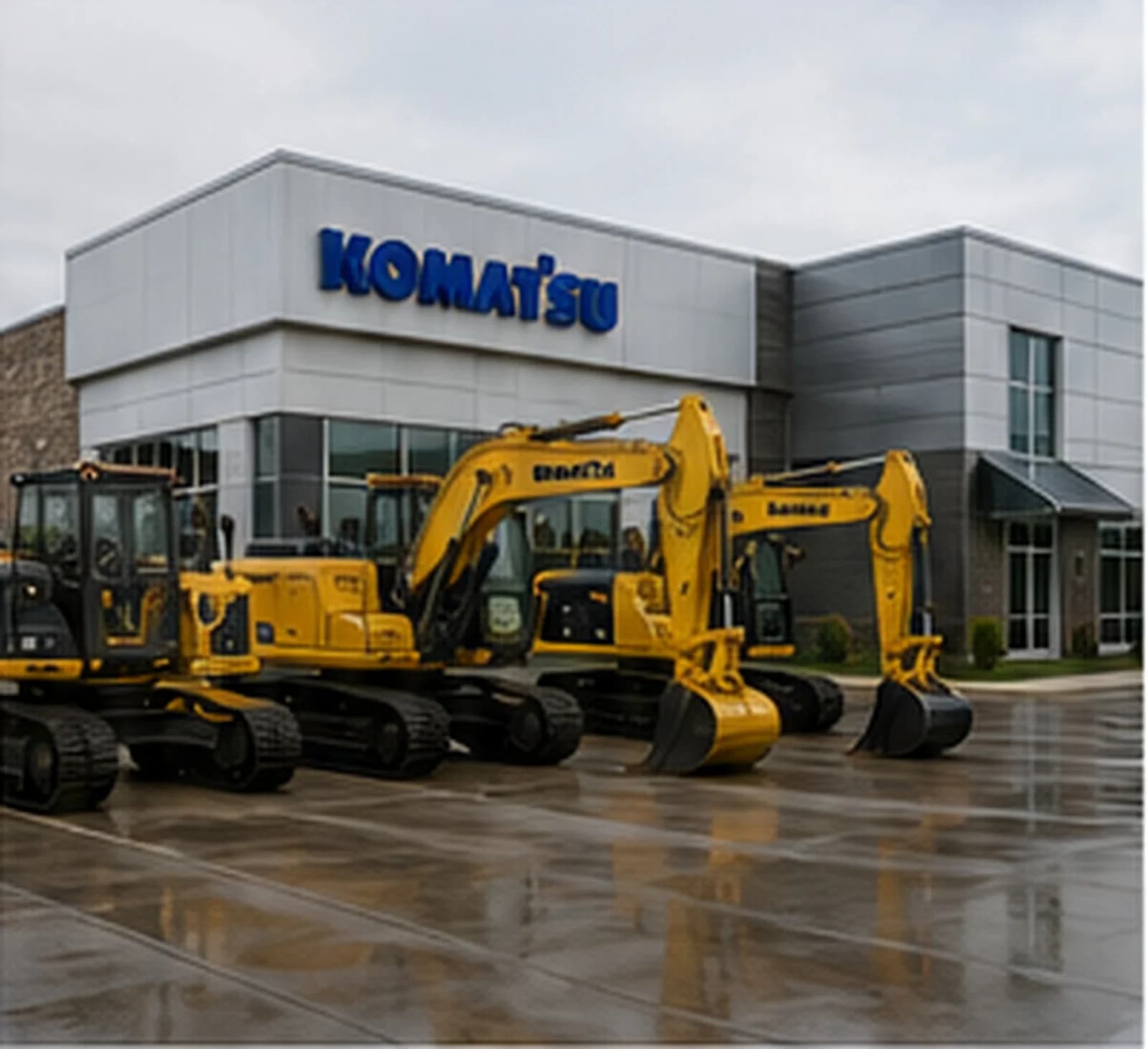
Komatsu has reopened its company-owned branch in Redding, California, restoring a local service and equipment hub for contractors, forestry businesses and fleet owners operating across the northern part of the state. The reopening matters because Northern California combines large geographic distances with demanding construction and forestry work, making fast access to parts, technicians, rentals and replacement equipment a major part of keeping machines productive.
Announced on August 13, 2026, the Redding branch becomes Komatsu's northernmost branch in California. The company says the location will improve access to machines, rentals, parts and service while reducing travel distances and response times for customers in remote areas. The branch will support both construction and forestry equipment, with particular emphasis on the region's logging and timber operations.
Why Redding Is Strategically Important
Redding sits in a part of California where equipment frequently works far from major metropolitan service centers. Construction crews may be building roads, utilities, commercial projects or public infrastructure, while forestry operations can be spread across remote terrain where access is difficult and production schedules are sensitive to downtime.
For these customers, the physical location of a dealer or manufacturer branch can have a direct effect on operating cost. A machine failure is not only a repair expense. It can stop a crew, delay trucks, disrupt material flow and create schedule problems that affect an entire project.
When the nearest parts inventory or technician is hours away, small problems become more expensive. A reopened branch in Redding shortens that distance for many customers and gives Komatsu a stronger local presence in a region where machines often work under severe conditions.
The branch is located at 1164 Prestige Way in Redding. Komatsu plans to hold an open house on October 1, giving current and prospective customers an opportunity to see the facility, meet the local team and view new and used forestry and construction equipment.
Forestry Places Unique Demands on Product Support
Komatsu specifically highlighted Northern California's forestry industry in the reopening announcement. That emphasis is important because forestry equipment often operates under conditions that are especially hard on machines.
Logging sites can involve steep grades, dust, debris, mud, high temperatures, changing weather and long travel distances. Machines may handle trees, process material, build access roads or support loading operations. Many of these tasks place sustained loads on hydraulic systems, undercarriages, cooling systems and structural components.
Downtime is particularly disruptive in forestry because production is closely linked across multiple machines. If a key feller buncher, harvester, forwarder or excavator stops working, other equipment may be forced to wait or operate less efficiently.
Komatsu's announcement referenced equipment such as the TimberPro TL745D feller buncher and PC230F excavator as examples of the construction and forestry products the branch can support. The company's stated goal is to expand forestry offerings and introduce additional forestry-focused solutions in the region.
Local Parts Availability Can Change Fleet Economics
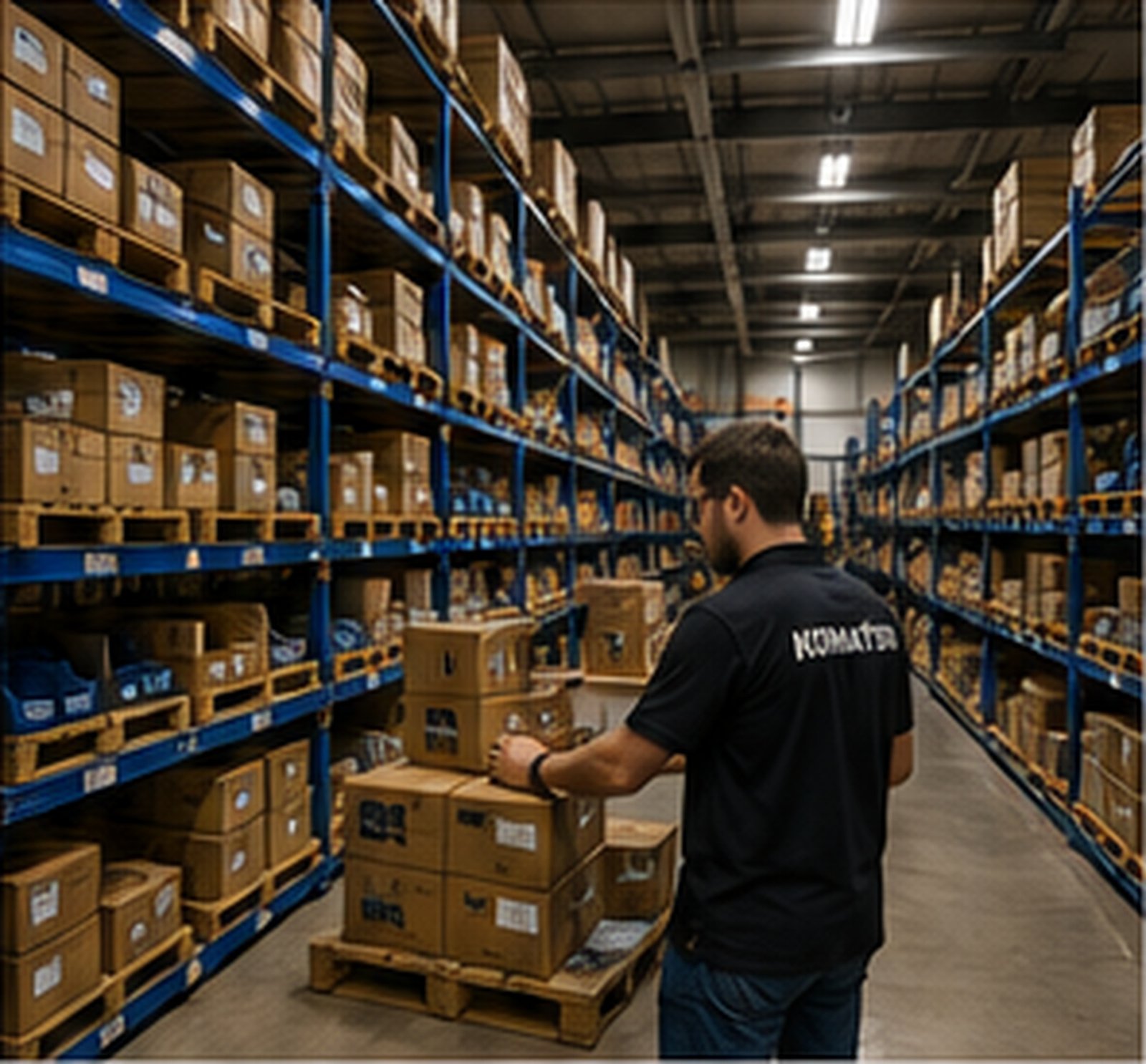
One of the most important functions of a branch is parts supply. Modern equipment fleets rely on thousands of components ranging from filters and seals to electronic modules, hydraulic parts, undercarriage components and wear items.
The financial value of local inventory is often underestimated. A part that costs a few hundred dollars can become extremely expensive if a machine remains idle for multiple shifts while the component is shipped from a distant warehouse.
Local branches reduce that risk by stocking common service parts and providing a faster path for special orders. They can also help customers identify the correct component, reducing mistakes that create additional delays.
For forestry and construction fleets operating far from cities, this support is especially valuable. Contractors often plan preventive maintenance around weather, production cycles and project milestones. Better parts access makes it easier to perform scheduled work at the right time rather than delaying maintenance until a machine failure forces the issue.
The Role of Field Service
Parts alone do not solve every problem. Many repairs require experienced technicians with the tools, diagnostic software and product knowledge to identify the root cause quickly.
Field service becomes critical when a machine is too large, too remote or too urgently needed to transport to a shop. A technician may need to travel directly to the jobsite, diagnose the machine and either complete the repair or determine what components are required.
Komatsu says the Redding reopening will strengthen its ability to provide local service and expertise. That can shorten the time between a customer reporting a problem and a qualified technician reaching the machine.
As equipment becomes more electronically controlled, technician expertise is increasingly important. A hydraulic performance problem, for example, may involve sensors, control software, electrical signals or calibration in addition to pumps and valves. Accurate diagnosis avoids unnecessary parts replacement and gets the machine back to work more efficiently.
Rental Equipment Is Part of the Uptime Strategy
The reopened Redding location will also provide equipment rentals. Rental availability can serve as a form of operational insurance for contractors.
When a machine is down for repair, renting a temporary replacement may be cheaper than allowing an entire crew to remain idle. Rentals also help companies respond to short-term workload increases without purchasing equipment that may not be needed after a project ends.
Forestry operations can benefit in similar ways, particularly when seasonal work creates temporary demand for specialized machines. Access to a local rental fleet gives customers more flexibility in balancing owned and rented equipment.
The value of a branch therefore extends beyond selling machines. It becomes a resource for solving immediate operating problems, whether the solution is a repair, a part, a rental or a different machine configuration.
Why Manufacturer-Owned Branches Matter
Komatsu operates through a mix of distribution structures depending on region. A company-owned branch creates a direct relationship between the manufacturer and local customers.
That structure can help Komatsu gather detailed feedback about operating conditions, recurring service issues and product needs. Northern California forestry customers, for example, may have priorities that differ from those of urban contractors in Southern California.
A local team that works with those customers every day can communicate that information back through the organization. Over time, such feedback can influence parts stocking, service staffing, attachment offerings, training and even future product development.
For customers, a company-owned location can also provide a clear path to technical resources when a problem requires factory-level support.
Reopening Reflects a Wider Shift Toward Lifecycle Support
Heavy-equipment manufacturers increasingly compete on more than machine specifications. Buyers consider the total support system around a machine: parts, service, telematics, financing, training, warranties, technology assistance and resale value.
This is particularly important as machines become more expensive and technologically advanced. A contractor may own a loader or excavator for many years, meaning the quality of support after the sale can have a larger financial impact than small differences in the initial purchase price.
Komatsu's Redding reopening fits this lifecycle-support model. The company is not simply placing equipment closer to customers. It is creating a local base for helping those machines remain productive throughout their working lives.
That strategy is especially relevant in industries such as forestry, where customers may operate highly specialized equipment and depend on a small number of machines for core production tasks.
The Construction Market Around Northern California
Northern California has a diverse equipment market. Public infrastructure work requires excavators, dozers, loaders, graders and compact equipment. Utility contractors need machines for trenching, material handling and site restoration. Forestry businesses use specialized machines but also rely on conventional excavators, loaders and dozers for road construction and support tasks.
Wildfire prevention and recovery work can add another layer of demand. Land clearing, debris removal, road repair and vegetation management all require equipment and responsive support.
The Redding location gives Komatsu a base that can serve these overlapping markets. That diversification is useful because demand in one segment may slow while another remains active.
A broad local customer base can also justify a wider inventory of parts and machines, improving support for everyone in the region.
What the Reopening Means for Fleet Managers
Fleet managers should view a new local branch as an opportunity to reassess support plans. The first step is understanding what parts and services the location can provide and how quickly it can respond to field issues.
Companies can also review preventive-maintenance schedules with the local team, identify high-risk components and determine which parts should remain in customer inventory versus dealer inventory.
For fleets operating in remote areas, communication planning is important. Managers should know who to contact after hours, what information technicians need before dispatch and how machine telematics can be used to speed diagnosis.
The best service relationship is proactive rather than reactive. Waiting until a machine is disabled is the most expensive time to begin figuring out support procedures.
Technology Support Will Become More Important
Komatsu's equipment portfolio includes increasingly sophisticated digital and automation technologies. Even conventional machines now generate operating data that can be used to manage maintenance and productivity.
A local branch can help customers use those systems more effectively. Telematics may reveal excessive idle time, abnormal fuel consumption, service intervals or fault events. When data is combined with local service knowledge, customers can move toward more predictive maintenance.
Technology support also matters for grade control, machine guidance and other productivity tools. A machine may be mechanically healthy but still underperform if its technology is not configured correctly or operators do not understand how to use it.
Branches that can provide both mechanical and technology support will become more valuable as the industry continues to digitize.
The Human Side of Local Support
Equipment service is ultimately a relationship business. Contractors often depend on the same parts people, service managers and technicians for years. Those relationships build trust because both sides understand the machines, the jobsites and the customer's operating priorities.
Komatsu emphasized bringing its team closer to the people who rely on its equipment. That language reflects the reality that service quality depends heavily on local knowledge.
A technician familiar with a customer's fleet can diagnose problems faster. A parts specialist who understands seasonal demand can anticipate inventory needs. A branch manager who knows the local industries can adjust staffing and resources before peak periods.
Reopening a physical location gives those relationships a place to develop.
Competitive Implications
Northern California equipment buyers have multiple brands to choose from, and dealer support can be a deciding factor. A manufacturer may offer an excellent machine, but customers will hesitate if they believe parts or service will be difficult to obtain.
Komatsu's renewed Redding presence strengthens its competitive position by reducing that concern. The branch puts equipment, parts, rentals and service closer to potential buyers and makes the support network more visible.
Competitors are likely to continue investing in similar regional capabilities because customer expectations are rising. Fast parts availability, mobile service and digital support are becoming standard components of a premium equipment offering.
This competition benefits customers by encouraging manufacturers and dealers to improve response times and expand support resources.
What to Watch After the Reopening
The next stage will be seeing how quickly Komatsu expands the branch's forestry focus. The company has said it plans to introduce additional forestry-focused solutions, which could include broader equipment availability, specialized attachments, more parts inventory and additional technical expertise.
The October open house will provide the first public opportunity to see how the reopened location is positioned. It should also give Komatsu a chance to collect feedback directly from regional customers.
Over time, branch success will be measured less by the opening event and more by practical outcomes: reduced parts delays, faster technician response, stronger rental availability and increased customer confidence.
Why This Is More Than a Local Dealer Story
At first glance, reopening a branch may appear to be a small regional business announcement. In the equipment industry, however, local support infrastructure plays a major role in whether machines deliver their expected productivity.
A contractor's relationship with an equipment brand continues every day after the purchase. Filters, wear parts, software, technicians, warranty support, emergency repairs and replacement machines all become part of the ownership experience.
Komatsu's Redding reopening is therefore a useful example of how manufacturers are strengthening the service side of the business. The machines may receive most of the attention at trade shows, but the support network often determines how profitable those machines are in the field.
For Northern California construction and forestry customers, the reopening creates another local resource for keeping fleets moving. For the broader industry, it reinforces a familiar lesson: equipment uptime depends as much on the strength of the support system as it does on the machine itself.
Sources
- Komatsu — “Komatsu reopens Redding branch to expand support in Northern California,” August 13, 2026.
Previous Article
Liebherr Delivers First Mining Excavators to Gold Fields in Western Australia
Next Article
Hyundai Brings the HT30 Compact Track Loader to North America
Corrections and reader feedback
Found an error or have source material we should review? Send a correction report and an administrator can review it.
Report a correction