
Introduction
Dust and heat are two of the most common enemies of skid steer reliability. A machine working in demolition debris, dry soil, gravel yards, agriculture, or land clearing can inhale dust and collect debris around the cooling package very quickly. If air flow is restricted, the engine may lose performance, fuel efficiency may fall, and overheating risk can increase. These problems often develop gradually until a warning light or shutdown interrupts the job.
Air filter care and cooling system cleaning are closely connected because both protect the engine’s ability to breathe and regulate temperature. A clean air intake supports combustion. A clean radiator and cooling package support heat rejection. Neglect either side and the machine must work harder than necessary. In severe environments, the difference between daily cleaning and occasional cleaning can be the difference between smooth uptime and repeated overheating problems.
This Machinery.org article explains what operators should check, how dust exposure affects the machine, and why cleaning routines must match jobsite conditions.
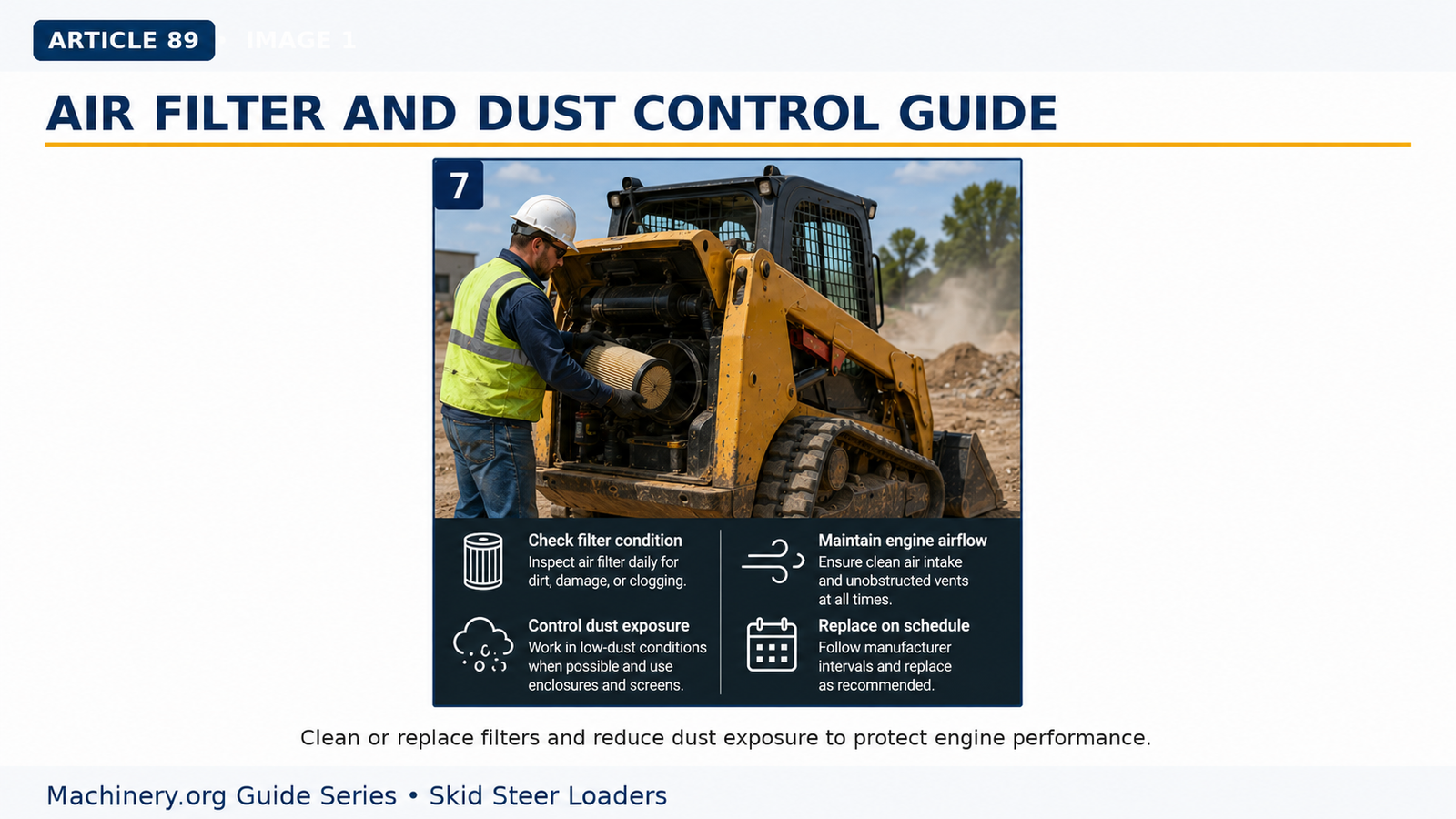
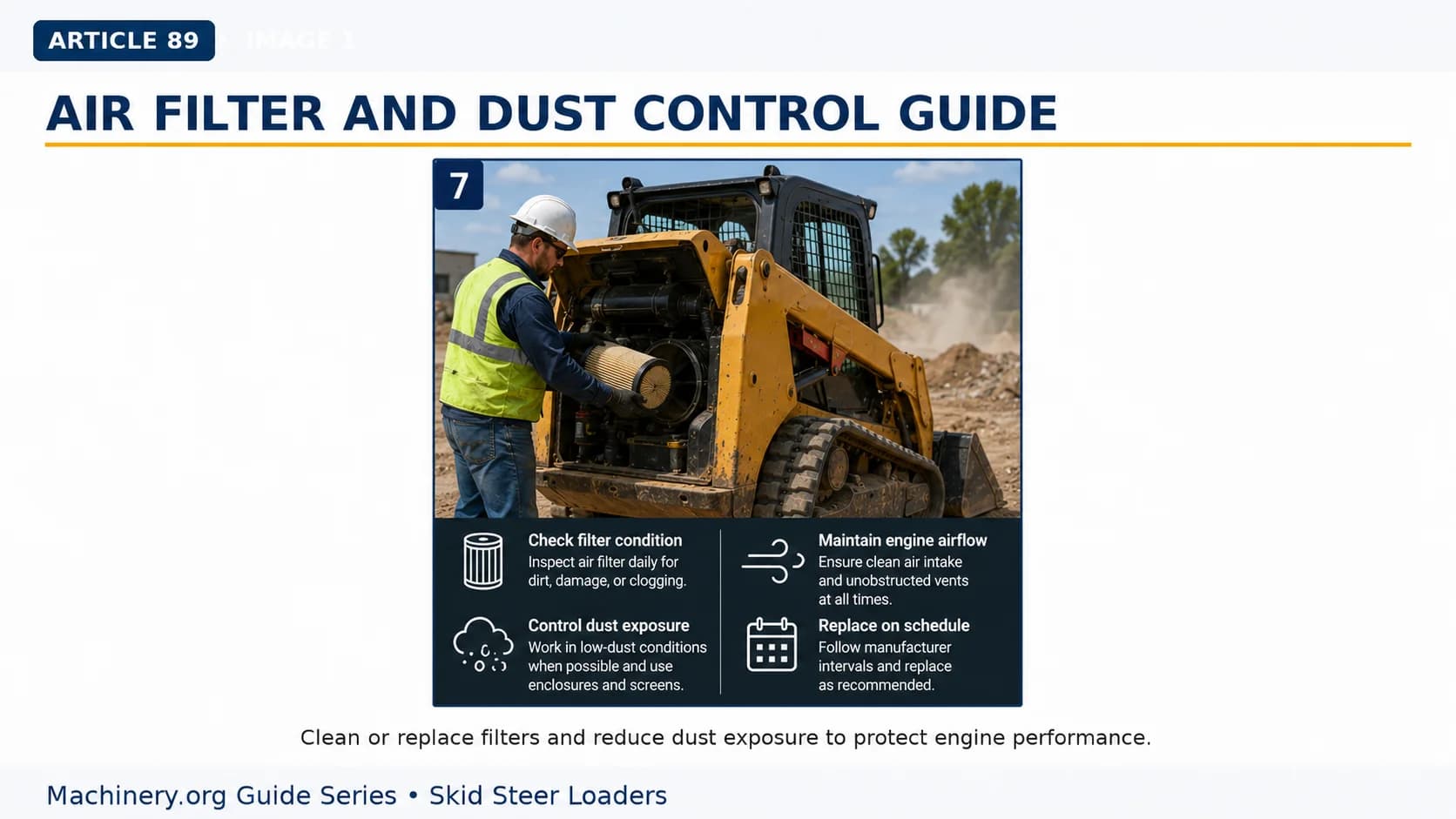
Figure 89.1 - Air filter and dust control guide.
Image Description: A technician checking an air filter in a dusty work environment, with reminders about clean airflow, filter condition, and replacement schedule.
Air Filter Inspection and Dust Control
The air filter protects the engine from dust and debris. A clogged filter restricts airflow, while a damaged filter can allow harmful particles into the engine. Operators should inspect filter indicators, intake screens, and filter housings according to the manual. The filter should not be treated roughly or cleaned in a way that damages the media. In many cases, replacement on schedule is safer than trying to stretch service life too far.
Dust control also includes jobsite habits. When possible, operators can reduce exposure by avoiding unnecessary travel behind other dusty machines, working from cleaner upwind positions, and keeping access panels sealed. A missing cover, damaged seal, or poorly seated filter can defeat the entire protection system. The goal is clean intake air, not just a filter that looks present.
Inspect filter condition and filter indicators regularly.
Keep intake screens and covers clear of debris.
Replace filters according to the manufacturer schedule and severe-service needs.
Avoid damaging filter media during inspection or cleaning.
Watch for loss of power, smoke, or high fuel use that may suggest airflow problems.
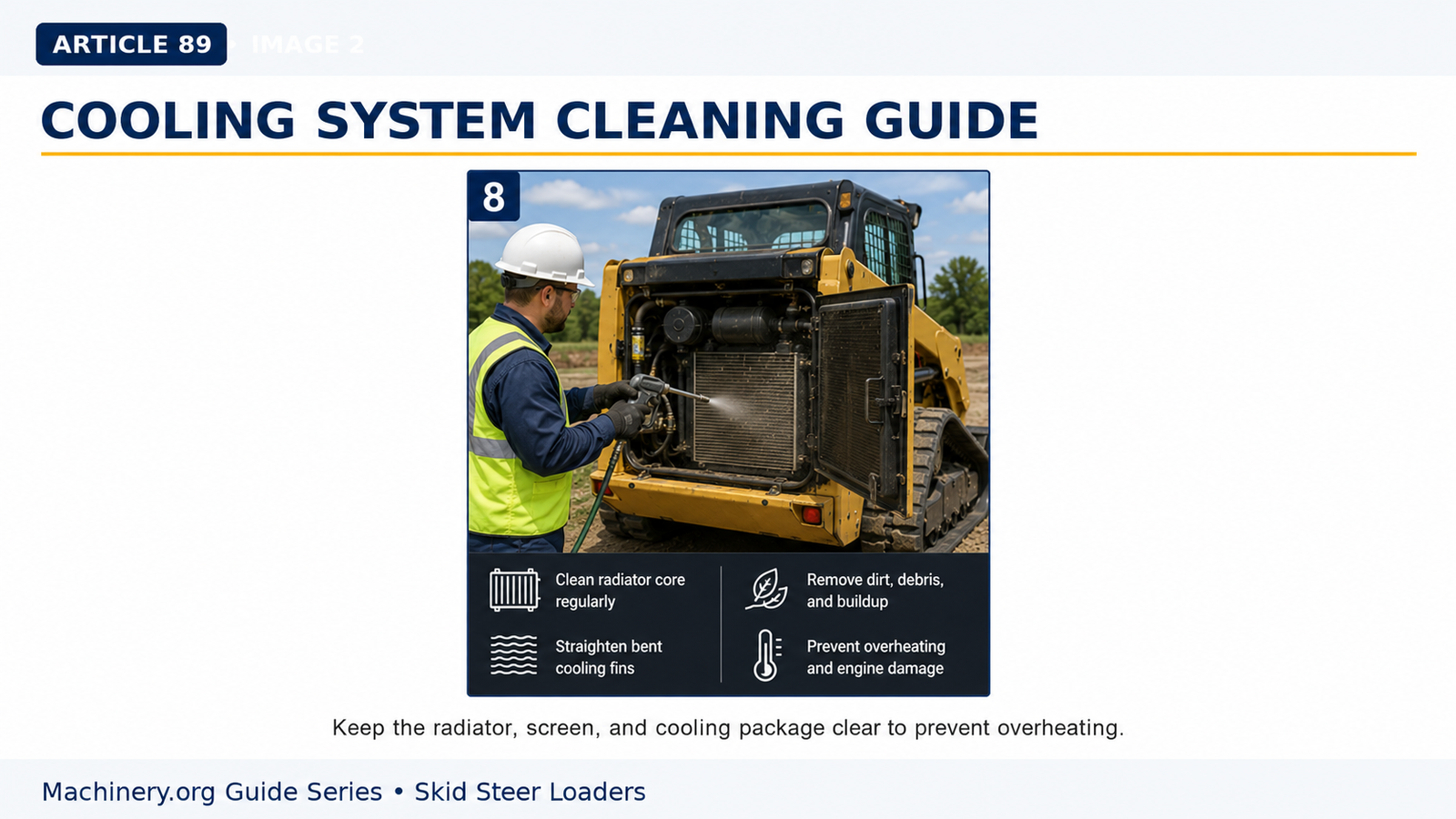
Figure 89.2 - Cooling system cleaning guide for skid steer loaders.
Image Description: A technician cleaning the radiator and cooling package of a skid steer to remove debris and prevent overheating.
Cooling Package and Radiator Cleaning
The radiator, hydraulic cooler, screens, and cooling fins must stay clean to move heat away from the machine. Fine dust, chaff, leaves, and mud can block airflow even when the outside of the machine looks acceptable. Operators should inspect both visible screens and deeper cooling surfaces. Cleaning should be done carefully so fins are not bent and sensitive components are not damaged. The correct method depends on the machine and manufacturer guidance.
Cooling system neglect can lead to overheating, hydraulic temperature problems, reduced efficiency, and expensive engine or hydraulic damage. Hot-weather work, high-demand attachments, and dusty material handling all increase the need for cleaning. Machines that run mulchers, planers, brooms, or brush cutters often need especially close attention because those attachments can create extreme debris exposure.
Clean radiator screens and cooling fins before debris becomes packed tight.
Inspect the hydraulic cooler as well as the engine radiator.
Use safe cleaning pressure and direction to avoid bending fins.
Watch temperature gauges during heavy work.
Stop and investigate if temperatures climb abnormally.
Building a Severe-Service Routine
A standard service interval may not be enough in dusty work. Severe-service routines should be based on actual conditions, not only the calendar. If the machine works in dry soil all day, the filter and cooling package may need inspection daily. If it works near chaff, brush, or demolition dust, cleaning may need to happen during the shift. Operators should also clean the engine bay carefully to reduce fire risk from dry debris buildup.
Good records help. If a machine overheats every time it runs a certain attachment, the owner can change the cleaning schedule, inspect cooling performance, or adjust the work pattern. Maintenance becomes smarter when it reacts to real evidence instead of guesswork.
Increase inspection frequency in dust, heat, chaff, and demolition environments.
Record overheating events and operating conditions.
Keep cooling areas and engine compartments free of dry debris.
Train operators to recognize early airflow and heat warning signs.
Treat clean air and cooling as daily productivity requirements.
Frequently Asked Questions
Can I blow out an air filter with compressed air?
Follow the machine and filter manufacturer instructions. Aggressive cleaning can damage filter media, so replacement is often the safer option when the filter is dirty or compromised.
Why does the cooling system clog so quickly?
Skid steers often work in dust, chaff, mulch, and debris. The fan and airflow path can pull this material into screens and cooling surfaces.
What should I do if the machine starts overheating?
Reduce load, stop safely, inspect the cooling package, and correct the cause. Do not keep working while temperatures climb.
Key Takeaway
Clean air and clean cooling surfaces are essential for engine performance. Match inspection frequency to the environment, replace filters correctly, and keep the cooling package clear before overheating begins.
Get More Expert Guides & Updates
Subscribe for Machinery.org guide updates and product learning content.