

Introduction
Hot-weather operation creates a different set of risks from winter work, but the consequences can be just as serious. A skid steer running in extreme heat must manage higher ambient temperatures, hotter engine bays, dustier environments, and heavier thermal loads on cooling and hydraulic systems. While operators often focus on overheating warnings alone, high-temperature reliability is really the result of many small maintenance habits. Clean cooling surfaces, correct fluid levels, adequate airflow, and sensible work scheduling all determine whether the machine stays productive through the hottest days of the season.
The key point for readers is that overheating rarely appears without warning. Machines usually show smaller signs first: temperatures creeping upward, cooling packs filling with dust, fan performance declining, coolant condition worsening, or hydraulic efficiency dropping in long work cycles. By learning these early clues and building inspection routines around them, owners can protect their equipment and avoid a shutdown at the worst possible time.
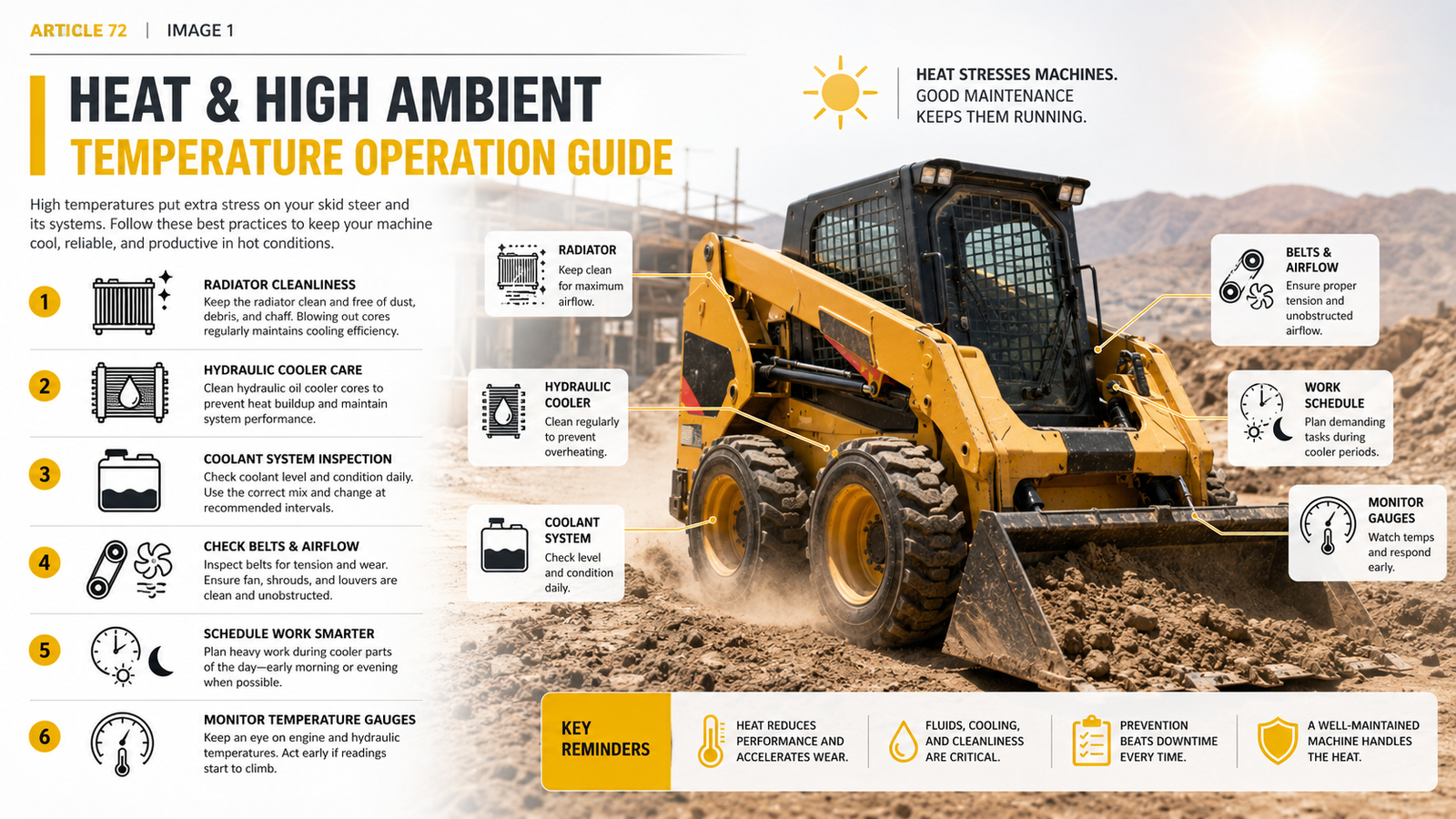
Figure 72.1 – Hot-weather operation guide.
Image Description: A 16:9 infographic showing a skid steer working in a dusty, hot environment with cooling-system and summer maintenance callouts.
How Heat Stresses the Machine
High ambient temperature reduces the machine’s ability to shed heat. If the radiator, hydraulic cooler, or air paths are restricted, the system loses cooling efficiency rapidly. Dust, grass, chaff, and jobsite debris are especially harmful because they can pack tightly into coolers and screens. In addition, fluids exposed to prolonged high temperature degrade faster. This means coolant condition, hydraulic oil condition, and belt or hose quality matter more in summer than many operators realize.
Radiators and coolers must stay clean for proper airflow.
Belts, fans, and shrouds need to function correctly to move heat away.
Coolant mixture and level should be checked consistently.
Dust and debris buildup in the engine bay can trigger avoidable overheating.
Work patterns may need to change during the hottest hours of the day.
Cooling System Inspection Routine
An effective hot-weather routine begins with inspection of the full cooling path. The operator should confirm coolant level when the engine is cold, inspect for leaks or damaged hoses, and check the radiator, hydraulic cooler, and any screens or guarding for debris. On dusty sites, this may need to happen more than once per day. It is also wise to watch temperature gauges during operation rather than assuming the system is fine because the machine started the day normally.
The operator should also inspect fan condition, belt tension where applicable, and any signs of airflow blockage around the engine compartment. A machine can have the right coolant level and still overheat if airflow is restricted. Likewise, a clean radiator is not enough if chaff has collected deeper inside the cooling pack or around the engine bay.
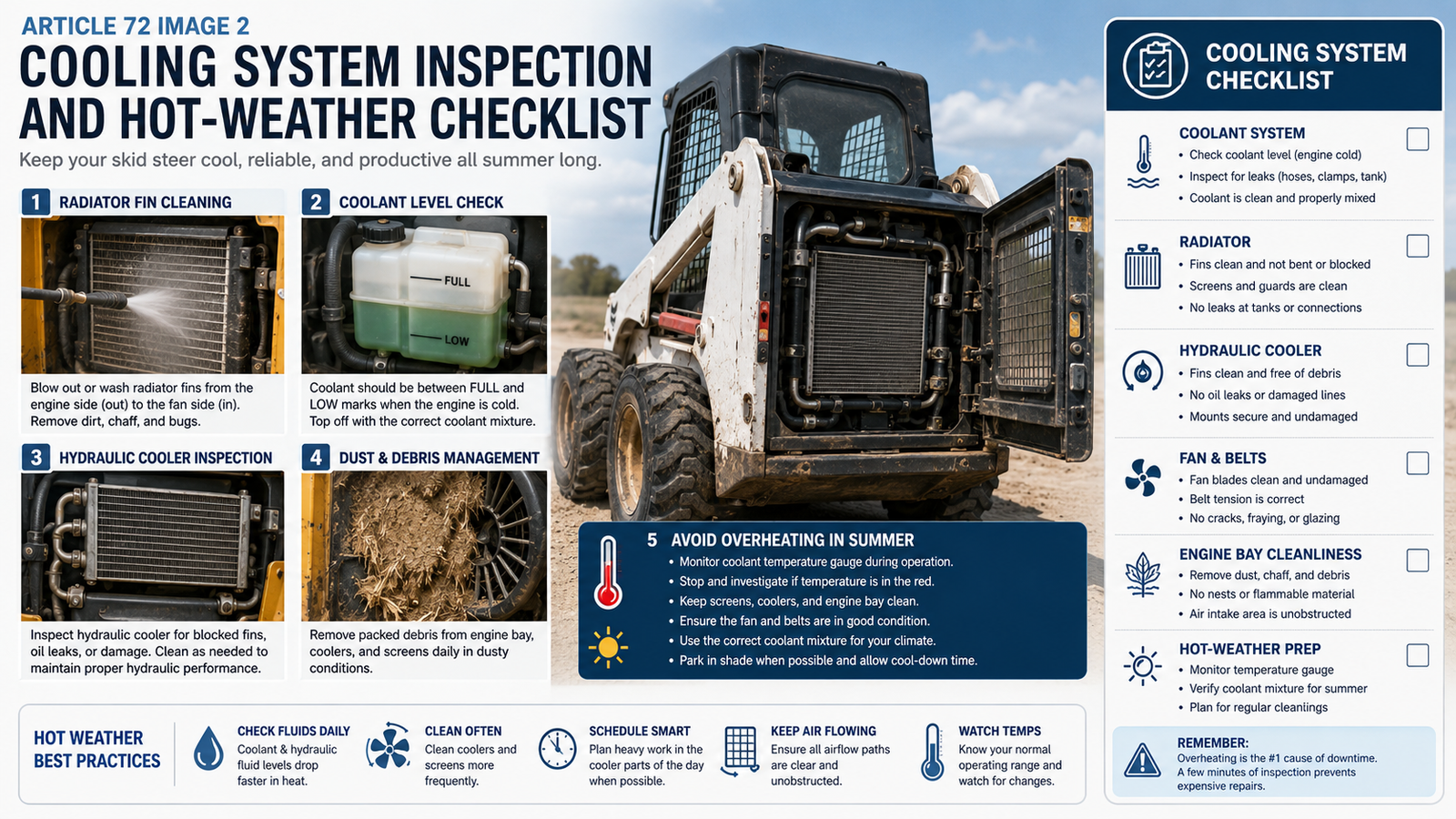
Figure 72.2 – Cooling system inspection and hot-weather checklist.
Image Description: A detailed inspection-style image showing radiator cleaning, coolant-level checks, hydraulic cooler inspection, debris management, and a summer checklist.
Smart Operating Habits for Summer
The best time to prevent heat issues is before the machine is in distress. Schedule the heaviest work during cooler hours when possible. Pause to clean coolers in very dusty conditions. Avoid unnecessary high-idle waiting in stagnant heat. If a machine begins to run hot, reduce load and investigate rather than pushing through. Skilled operators understand that production does not come from forcing an overheated machine to continue. It comes from managing the environment and protecting the equipment so it can keep working day after day.
Cab environment matters too. Operator fatigue increases in extreme heat, and fatigue can lead to poor decisions, rough operation, or missed warning signs. Clean windows, proper ventilation, and awareness of the weather all support safer and more efficient operation.
Hot-Weather Checklist Essentials
Inspect radiator, hydraulic cooler, and screens for blockage.
Check coolant level and cooling-system condition regularly.
Monitor temperature gauges during operation.
Keep the engine bay clean and free of flammable debris.
Shift heavy work toward cooler parts of the day when possible.
Frequently Asked Questions
What is the most common hot-weather skid steer problem?
Overheating is the most common visible problem, and it is usually linked to dirty cooling surfaces, poor airflow, or neglected maintenance.
How often should I clean the radiator area in summer?
As often as conditions require. In dusty work, more than once a day may be necessary to maintain cooling efficiency.
Should I stop if the temperature begins climbing?
Yes. Reduce load, inspect the cooling system, and correct the issue before continued operation causes damage or a shutdown.
Key Takeaway
Hot-weather reliability depends on proactive cooling-system care. Clean airflow paths, correct fluid condition, and smart scheduling do more to prevent overheating than reacting after the warning light appears.
Get More Expert Guides & Updates
Subscribe for Machinery.org guide updates and product learning content.