

Introduction
How a skid steer is shut down at the end of a shift affects safety, security, and next-day productivity. A machine left with the attachment raised, parked on uneven ground, or unsecured can create risk after the operator walks away. A machine parked dirty and unchecked may hide damage until the next morning. End-of-day routines matter because they close one work cycle and prepare the next one.
Many owners focus heavily on startup inspections but treat shutdown as an afterthought. That is a mistake. Shutdown is the best time to remove debris, inspect new wear, identify leaks that appeared during the shift, secure attachments, protect the machine from theft, and make notes for maintenance. A disciplined end-of-day process creates a safer jobsite and reduces the chance of surprise problems the next morning.
This final article in the 86 to 90 section explains how to park, shut down, clean, secure, and prepare a skid steer after work. The steps are simple, but their value grows when they become consistent habits across every operator and every jobsite.
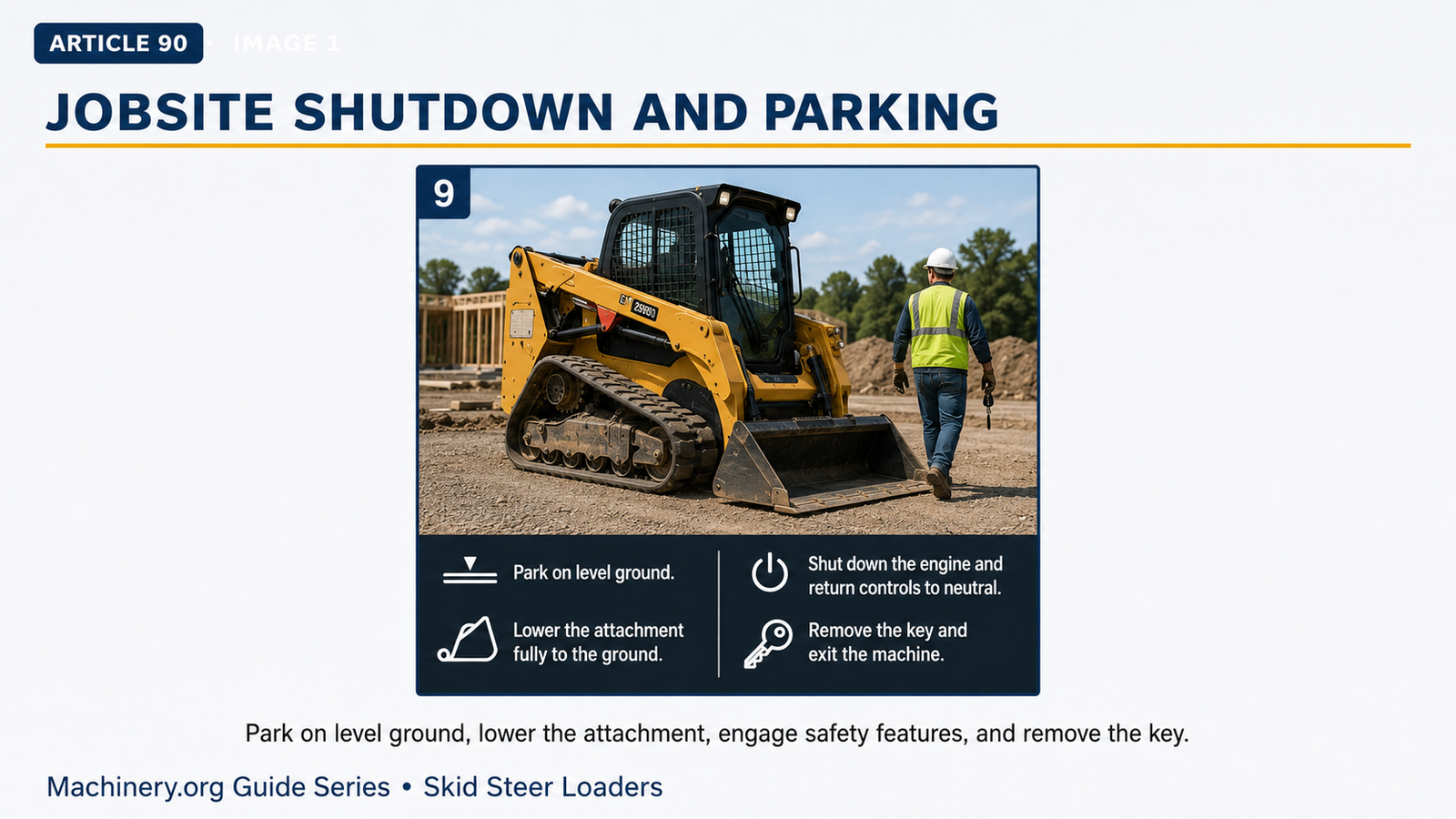
Figure 90.1 - Jobsite shutdown and parking guide.
Image Description: A skid steer parked safely on a jobsite with reminders to lower the attachment, shut down, return controls to neutral, and remove the key.
Safe Shutdown and Parking Position
The machine should be parked on firm, level ground whenever possible. The attachment should be lowered fully to the ground, controls returned to neutral, and the parking brake or safety systems engaged according to the operator manual. The engine should be allowed to cool as recommended, then shut down properly. The key should be removed and the cab secured. No one should rely on hydraulic pressure to hold a raised attachment after the operator leaves.
Parking location also matters. Avoid blocking access routes, emergency paths, material delivery areas, or drainage routes. Keep the machine away from unstable edges and soft ground that could shift overnight. If the machine must remain on a busy jobsite, position it where it is visible, secure, and less likely to be struck by other equipment.
Park on level ground and lower the attachment fully.
Return controls to neutral and follow the correct shutdown sequence.
Remove the key and secure the cab.
Avoid parking near edges, traffic lanes, or unstable ground.
Do not leave loads suspended or attachments raised after shutdown.
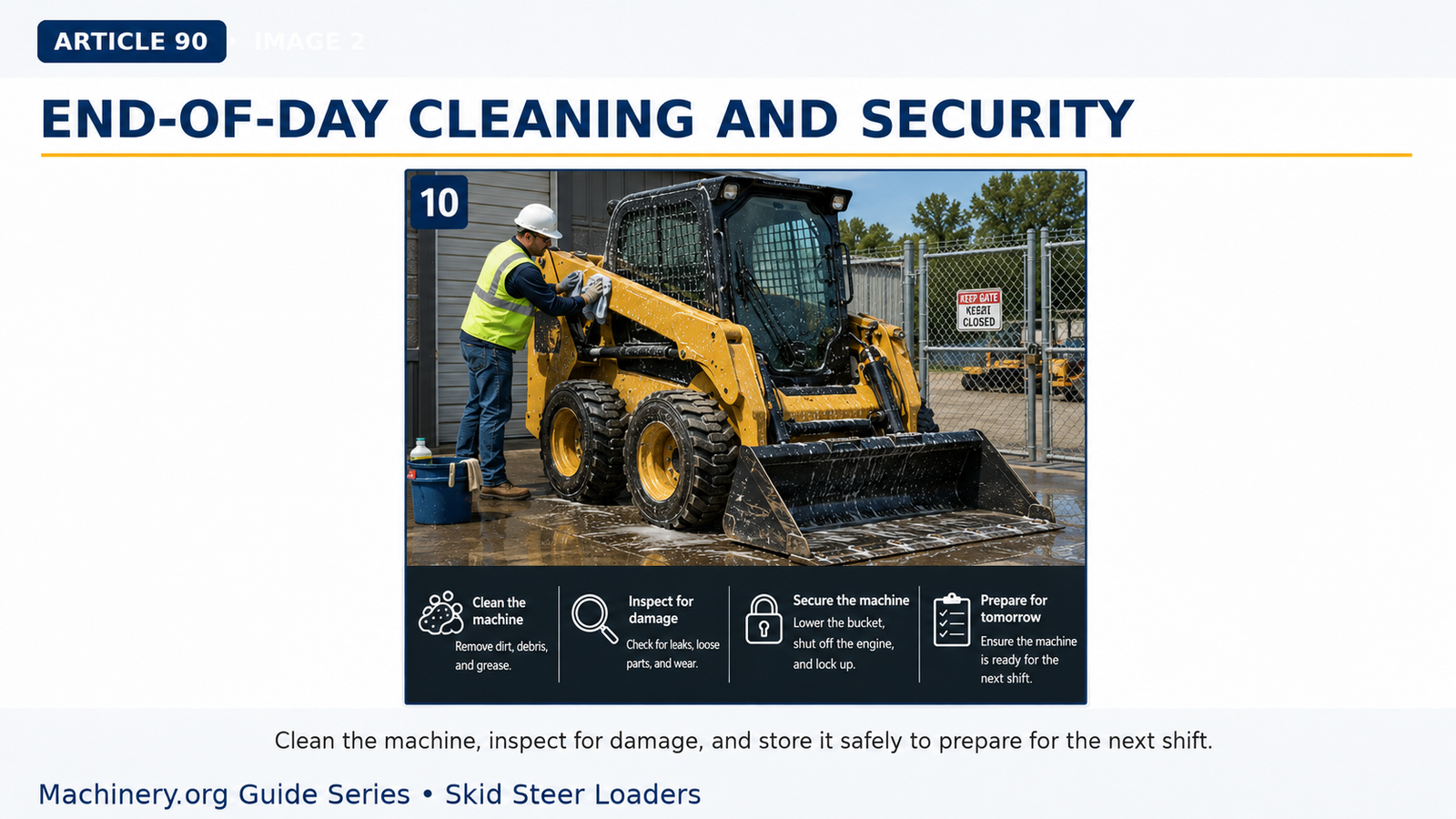
Figure 90.2 - End-of-day cleaning and security guide.
Image Description: A worker cleaning a skid steer at the end of the day with reminders about inspection, security, and preparation for the next shift.
End-of-Day Cleaning and Inspection
Cleaning is not only about appearance. Mud, dust, concrete residue, salt, fertilizer, and debris can hold moisture, hide cracks, and accelerate wear. The end of the shift is a good time to remove material from the bucket, tracks, tires, coupler, radiator screens, steps, and cab entry points. Once the machine is cleaner, leaks and damage are easier to see.
After cleaning, inspect for damage that occurred during the shift. Look for loose hardware, fresh fluid, worn hoses, cracked glass, damaged lights, bent edges, and attachment wear. These findings should be recorded immediately. A small problem found at the end of the day can often be repaired before the next shift. A small problem found after the next shift starts may become lost time.
Remove mud, debris, dust, and grease buildup.
Clean steps, handles, lights, mirrors, and windows for next-day visibility.
Inspect for leaks, loose parts, new damage, and abnormal wear.
Grease or service attachments if the schedule requires it.
Write down maintenance needs before leaving the jobsite.
Security and Next-Shift Readiness
Theft and unauthorized use are real risks on many jobsites. A proper end-of-day routine should include key control, cab locking, attachment positioning, fuel cap security, and site security measures such as gates, lighting, cameras, or equipment grouping. If GPS tracking or telematics are used, confirm they remain active. Security is strongest when the machine is parked intentionally and not left wherever the last task ended.
Next-shift readiness is the final goal. The operator should leave the machine in a condition that allows the next person to inspect it quickly, understand any known issues, and begin work safely. That means clean enough to check, parked safely, attachments lowered, records updated, and maintenance notes visible to the right person.
Lock the cab and remove the key.
Park in a secure, visible, or controlled area when possible.
Use site gates, lighting, and tracking systems where available.
Communicate unresolved issues to the next operator or supervisor.
Leave the machine ready for inspection before the next shift.
Frequently Asked Questions
Why should the attachment be lowered before leaving the machine?
A lowered attachment reduces the risk of unexpected movement and prevents suspended loads or raised equipment from creating hazards.
Is end-of-day cleaning necessary every day?
The level of cleaning depends on conditions, but removing debris and checking for damage at the end of the shift is always a good habit.
How can I improve machine security overnight?
Remove keys, lock the cab, park in a secure area, use site controls such as gates or lighting, and consider tracking systems when theft risk is high.
Key Takeaway
Shutdown is part of safe operation. Park level, lower the attachment, clean the machine, inspect for damage, secure it properly, and leave clear notes so the next shift begins safely.
Get More Expert Guides & Updates
Subscribe for Machinery.org guide updates and product learning content.