
Introduction
Productivity is not only about horsepower and hydraulic flow. It is also about how well the operator can stay alert, comfortable, and precise over a full shift. Noise, vibration, poor seat support, awkward control position, and inadequate climate control all contribute to fatigue. Fatigue reduces attention and accuracy, which in turn raises the risk of accidents and machine abuse.
For Machinery.org readers, operator comfort should be treated as an ownership issue rather than a luxury feature. A machine that causes less strain is easier to control, more pleasant to use, and often more productive in real work. Comfort also matters for training and retention because operators are more likely to follow good practices when the machine supports them physically.
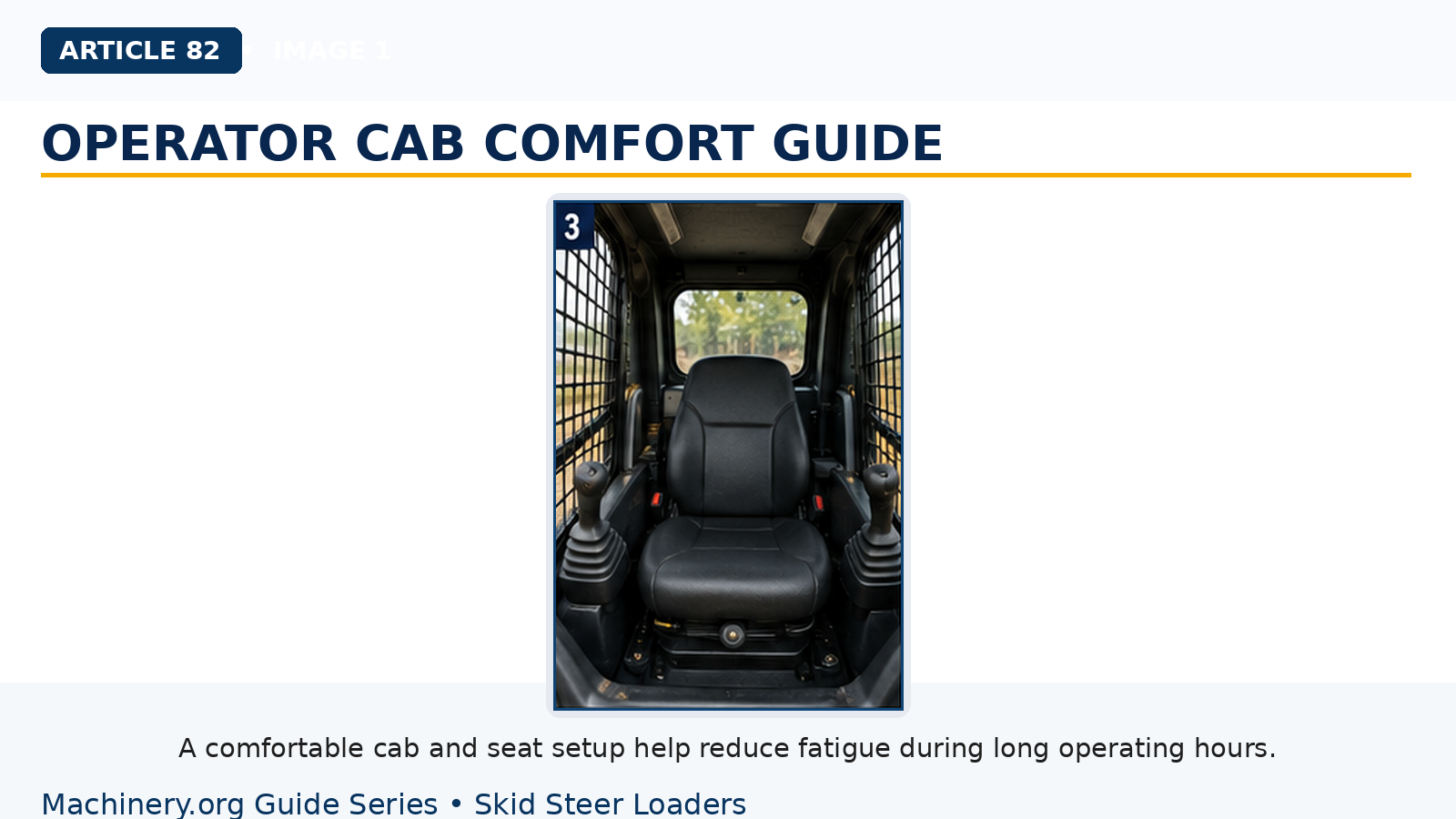
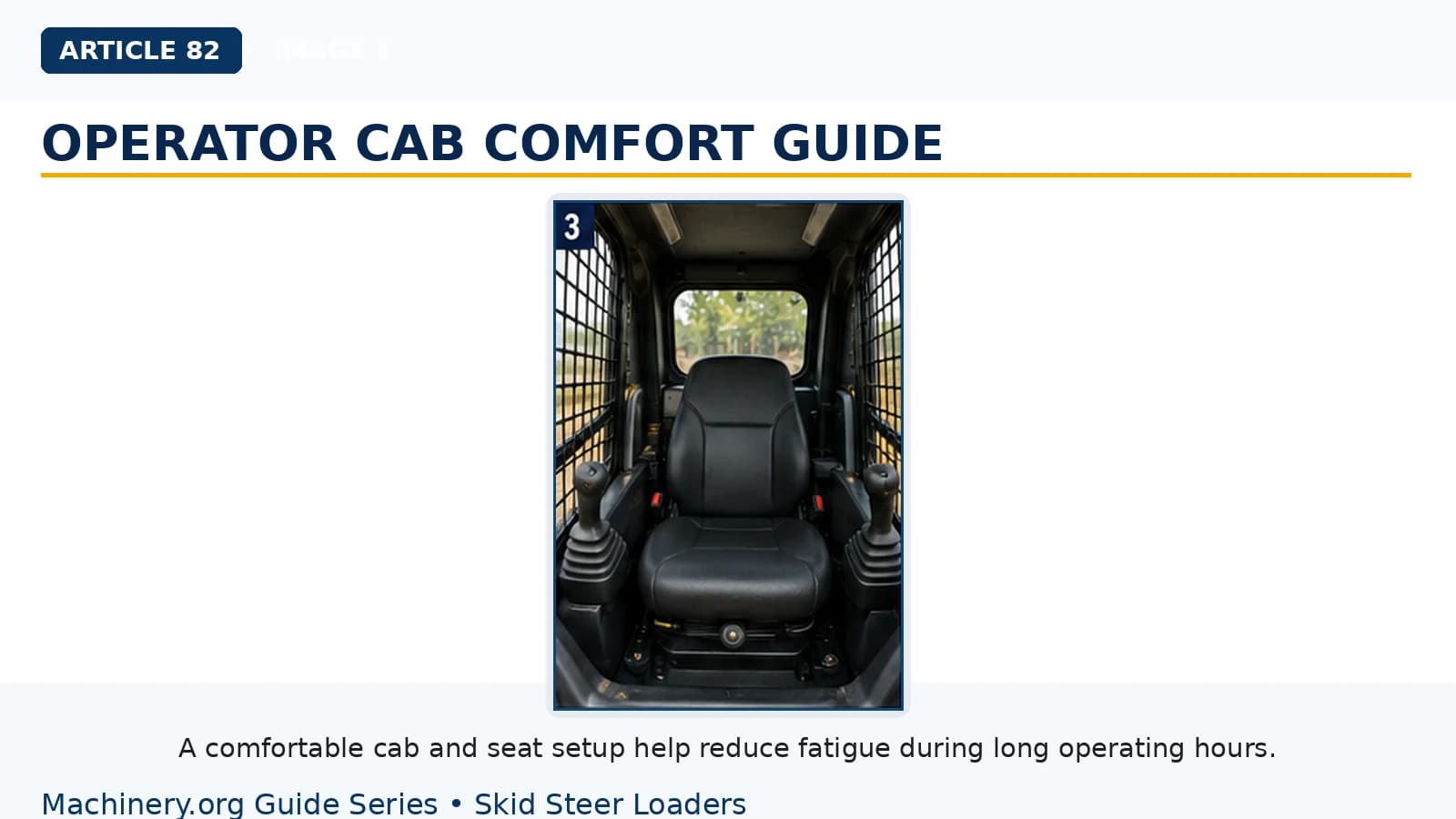
Figure 82.1 – Operator cab comfort guide.
Image Description: A 16:9 infographic showing a skid steer cab interior with emphasis on seat comfort, control position, and reduced fatigue.
Why Comfort Affects Safety and Performance
A tired operator reacts more slowly, overlooks warning signs, and tends to operate roughly. Vibration from rough travel, stiff controls, or an unsupportive seat can gradually increase body strain. Over time, discomfort may affect posture, visibility habits, and even willingness to perform careful inspections.
Cab comfort starts with seat quality and adjustment. The seat should support the operator’s back, allow proper pedal or joystick reach, and keep the body stable over bumps. Visibility, airflow, and noise control also matter because they affect concentration just as much as physical support does.
Adjust the seat before starting work, not after discomfort appears.
Keep cab windows and mirrors clean to reduce neck strain from constant repositioning.
Maintain door seals, interior panels, and worn mounts that may increase noise or vibration.
Take short breaks during long shifts to reduce cumulative fatigue.
Report persistent comfort-related problems because they may signal maintenance needs.
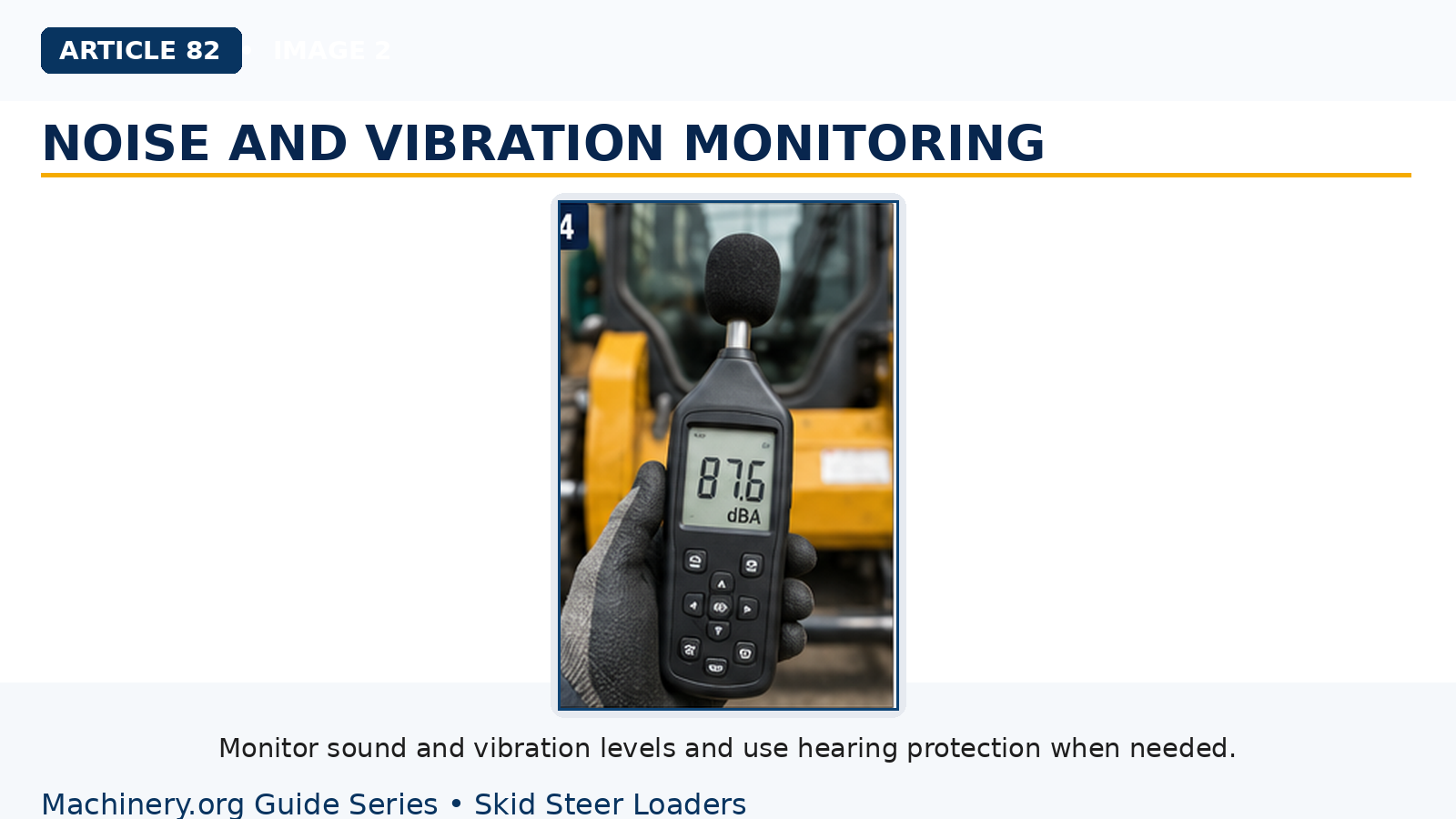
Figure 82.2 – Noise and vibration monitoring guide.
Image Description: A 16:9 infographic showing sound-level measurement and reminding operators to manage exposure to noise and vibration.
Managing Noise and Vibration
Skid steers can expose operators to engine noise, hydraulic noise, and attachment-related sound levels. Cold planers, breakers, brush cutters, and similar tools may dramatically increase overall exposure. Monitoring sound levels and using hearing protection where appropriate helps protect long-term health.
Vibration control begins with maintenance and operating technique. Low tire pressure, damaged tracks, loose components, or rough travel habits can all make vibration worse. Operators should also avoid unnecessary high-speed travel over harsh surfaces when a slower, smoother pace will do the job safely.
Use hearing protection whenever jobsite conditions or attachments produce elevated sound levels.
Inspect seat suspension, mounts, and cab hardware regularly.
Slow down on rough surfaces to reduce whole-body vibration.
Keep tires, tracks, and undercarriage components in good condition.
Choose smoother travel paths when possible.
Frequently Asked Questions
Does comfort really affect productivity? Yes. A comfortable operator stays focused longer, makes fewer errors, and can maintain consistent work quality over long shifts.
When should hearing protection be used? Any time measured or perceived sound levels are high enough to strain conversation or create repeated exposure, especially with noisy attachments.
What causes excessive vibration? Common causes include rough terrain, worn seats, poor tire or track condition, loose components, and aggressive travel speed.
Key Takeaway
Comfort is part of safe operation. When owners manage noise, vibration, and ergonomic setup, operators stay more alert and productive. Better comfort means better control, and better control leads to better results.
Get More Expert Guides & Updates
Subscribe for Machinery.org guide updates and product learning content.