

Introduction
Storage and off-season preparation are often overlooked because the machine is not being used actively at that moment. Yet this period can determine how easily the skid steer returns to service and how much surprise maintenance appears at the start of the next working season. Dirt, moisture, neglected fluids, weak batteries, and corrosion do damage quietly during storage. A thoughtful preparation routine protects the machine’s condition and shortens the time needed to return it to work when the season changes.
Good storage is not only about parking indoors. It is about putting the machine away correctly. Cleaning, fluid inspection, battery care, fuel stabilization, attachment position, and periodic follow-up all matter. Even a well-built skid steer can suffer from flat spots, rust, dead batteries, varnished fuel, or seized components if it is parked carelessly for a long period.
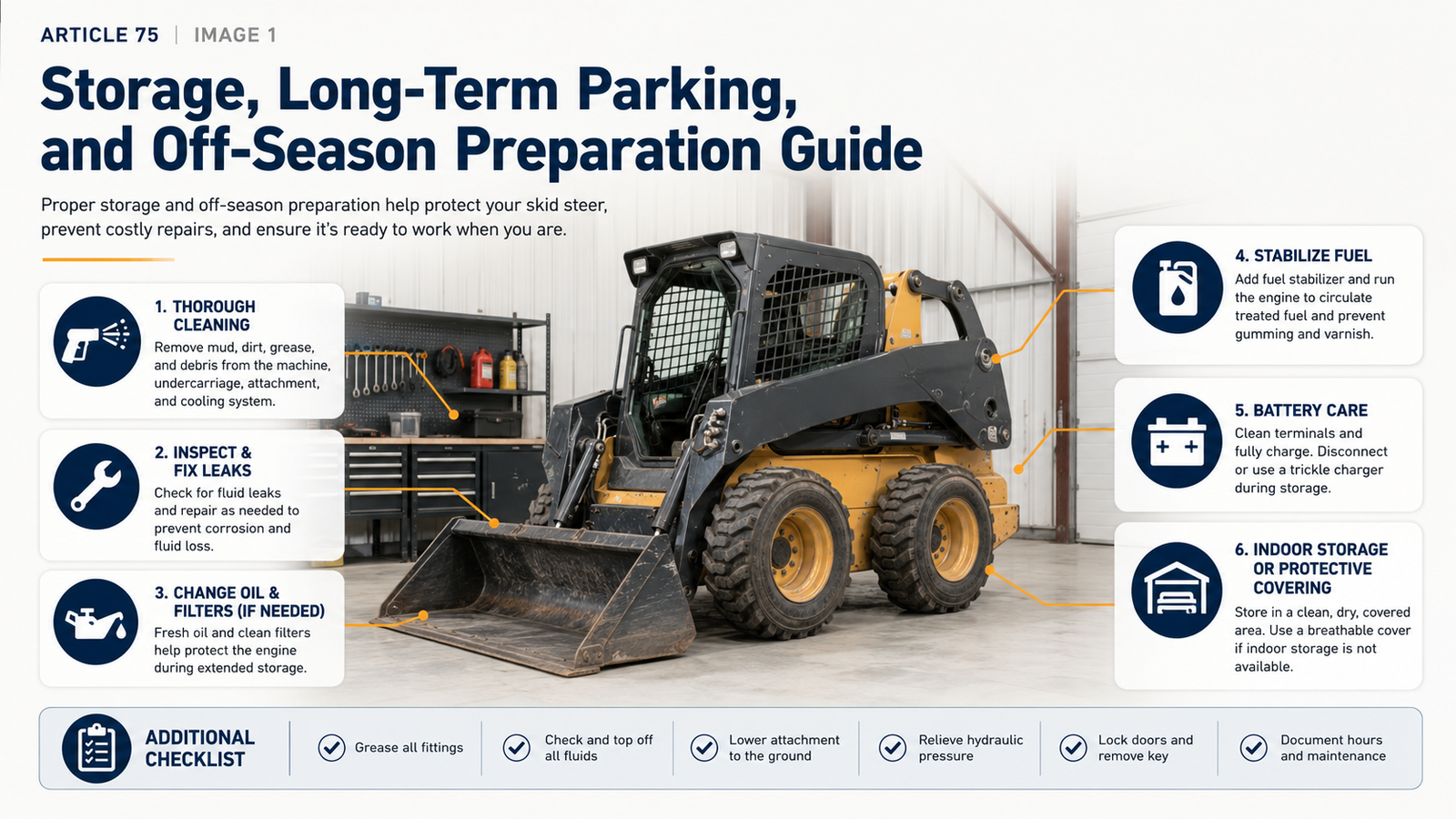
Figure 75.1 – Storage and off-season preparation guide.
Image Description: A 16:9 infographic showing a skid steer in a workshop with storage-preparation callouts for cleaning, fuel, battery, and covered storage.
Preparing a Machine for Off-Season Storage
The first storage step is a thorough cleaning. Remove mud, vegetation, dust, grease buildup, and jobsite debris from the machine, especially around the undercarriage, attachment, and cooling areas. Once clean, inspect for leaks, loose hardware, worn hoses, and other issues that should be addressed before storage. If engine oil or filters are near service interval, many owners choose to complete the service before storage so contaminated fluids are not left sitting in the machine for months.
Clean the machine thoroughly before parking it for a long period.
Inspect and correct leaks or worn parts before storage.
Consider oil and filter service if intervals are near.
Add fuel stabilizer when appropriate and circulate treated fuel.
Choose a dry, secure storage location whenever possible.
Battery, Fuel, and Fluid Protection
Long-term parking places special importance on battery condition. A battery left weak or neglected can be dead when the machine is needed again. Depending on the storage plan, owners may disconnect the battery, use a maintenance charger, or inspect it periodically. Fuel also deserves attention. Stabilized fuel and a reasonably full tank can help reduce deterioration and moisture-related issues. Fluid levels should be checked, and exposed metal surfaces may need light protection where corrosion risk is present.
Attachment and machine position are simple but important details. Lower the attachment to the ground, relieve pressure where appropriate, and park on a stable, level surface. If the machine must stay outside, a breathable cover and good drainage around the storage area can make a major difference.
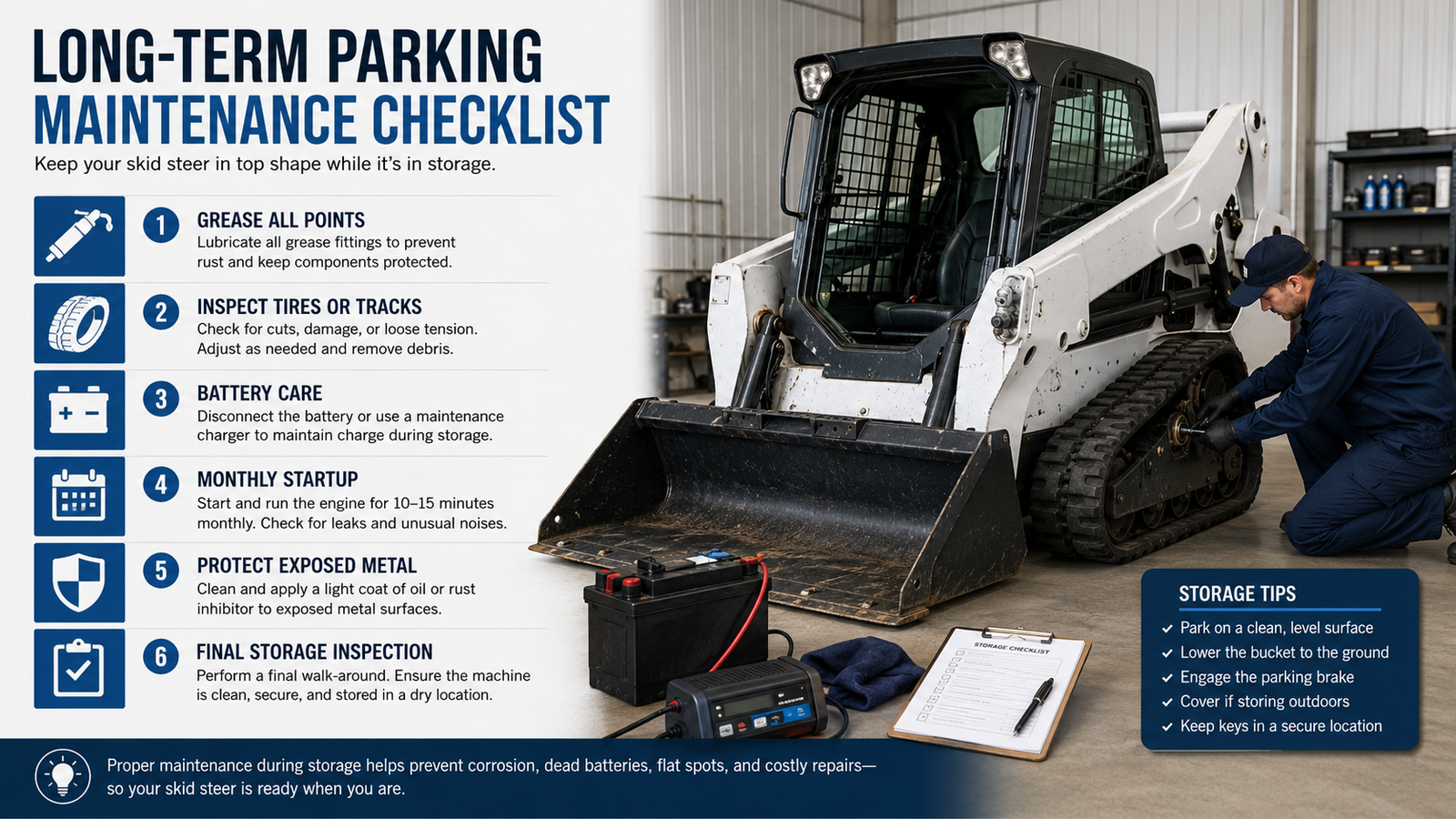
Figure 75.2 – Long-term parking maintenance checklist.
Image Description: A maintenance checklist image showing grease points, tire or track inspection, battery care, monthly startup, rust protection, and final storage inspection.
What to Check During Long-Term Parking
Storage is not always a one-time event. During long off-season periods, periodic checks help catch issues before they grow. Inspect tires or tracks, look for leaks, confirm the battery remains healthy, watch for rodents or nesting debris, and check whether moisture has entered the cab or storage environment. Some owners also start and run the machine periodically according to their maintenance plan, listening for unusual sounds and verifying that systems operate as expected.
When the machine is needed again, reactivation should be treated as a deliberate process: inspect fluids, battery, filters, and visible components before full work begins. A good storage routine makes this return-to-service process straightforward and predictable.
Long-Term Storage Checklist
Clean the machine and inspect for needed repairs before storage.
Protect the battery and monitor it during long parking periods.
Stabilize fuel and manage fluid condition proactively.
Store indoors if possible or use proper outdoor protection.
Perform periodic checks during storage and inspect carefully before reactivation.
Frequently Asked Questions
Why clean a skid steer before storing it?
Cleaning removes moisture-holding dirt and debris that can trap corrosion, hide leaks, and cause long-term deterioration.
Should I disconnect the battery during storage?
Many owners do, or they use a maintenance charger. The best approach depends on the machine and storage plan, but battery protection is always important.
Is indoor storage necessary?
Indoor storage is ideal, but if it is not available, a clean, dry area and proper protective covering still help a great deal.
Key Takeaway
Long-term storage should protect the machine, not simply pause it. With cleaning, battery care, fuel protection, and periodic checks, owners can preserve equipment condition and return to work with far fewer surprises.
Get More Expert Guides & Updates
Subscribe for Machinery.org guide updates and product learning content.