

Introduction
Tracked skid steers offer excellent traction and flotation, but they also place heavy importance on undercarriage condition. Tracks, rollers, sprockets, idlers, and adjusters all work together as a system. When any one part is neglected, wear spreads to the rest of the undercarriage. This can lead to poor ride quality, reduced traction, loss of efficiency, and expensive repair bills. Owners who understand track tension and basic undercarriage care usually enjoy better uptime and longer track life.
The undercarriage is exposed to mud, stones, abrasive material, and constant impact. Because of this, inspection and cleaning are not optional. Daily checks can reveal loose material buildup, track damage, misalignment, and wear patterns before those issues become major. Track systems reward attention and punish neglect.
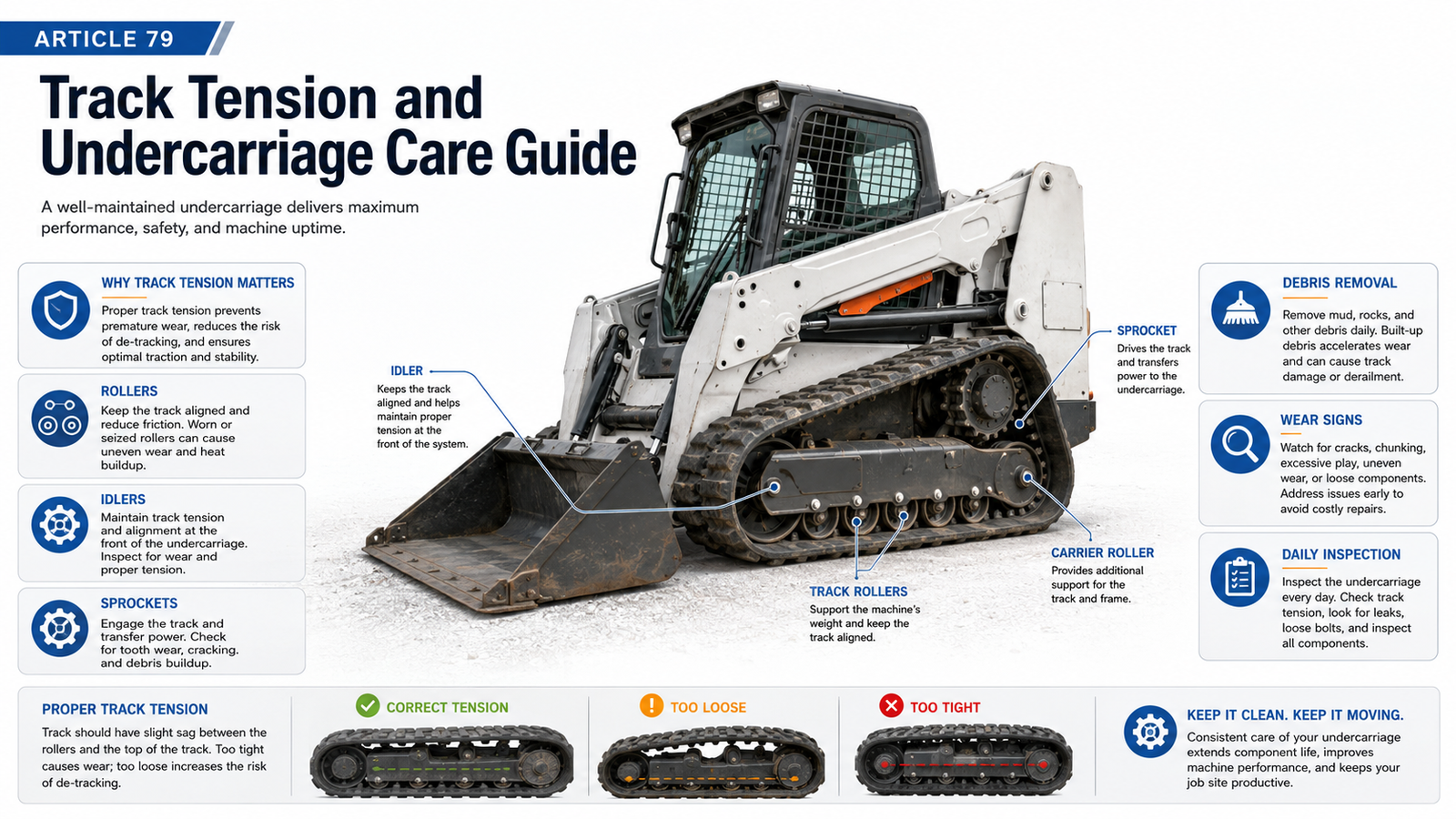
Figure 79.1 – Track tension and undercarriage care guide.
Image Description: A 16:9 infographic of a tracked skid steer with labels for rollers, idlers, sprockets, and tension concepts.
Why Track Tension Matters
Correct track tension is essential because both excessive tightness and excessive looseness create problems. Tracks that are too tight increase wear, add resistance, and place extra stress on components. Tracks that are too loose can derail more easily and allow unstable movement or poor alignment. The correct setting is not a guess—it is a specification that should be checked according to the manufacturer’s procedure.
Proper tension helps maintain traction and stability.
Too-tight tracks accelerate wear and increase load on components.
Too-loose tracks raise the risk of de-tracking and misalignment.
Routine cleaning makes track inspection easier and more accurate.
Undercarriage care protects both performance and safety.
Inspection and Cleaning Routine
A strong undercarriage routine starts with removing built-up debris. Mud, packed stones, and wet material increase wear and can hide damage. Once clean, the operator should inspect the tracks for cuts, missing chunks, exposed reinforcement, or unusual wear. Rollers should be checked for smooth movement and leakage, while sprockets and idlers should be examined for wear or damage. Track sag or tension should be measured according to the machine’s procedure rather than estimated visually alone.
Consistent inspection also helps owners identify whether operating conditions are contributing to faster wear. Hard surfaces, constant turning, abrasive materials, and poor cleaning habits all affect undercarriage life. Maintenance is therefore not just a mechanical concern; it is also connected to operating technique.
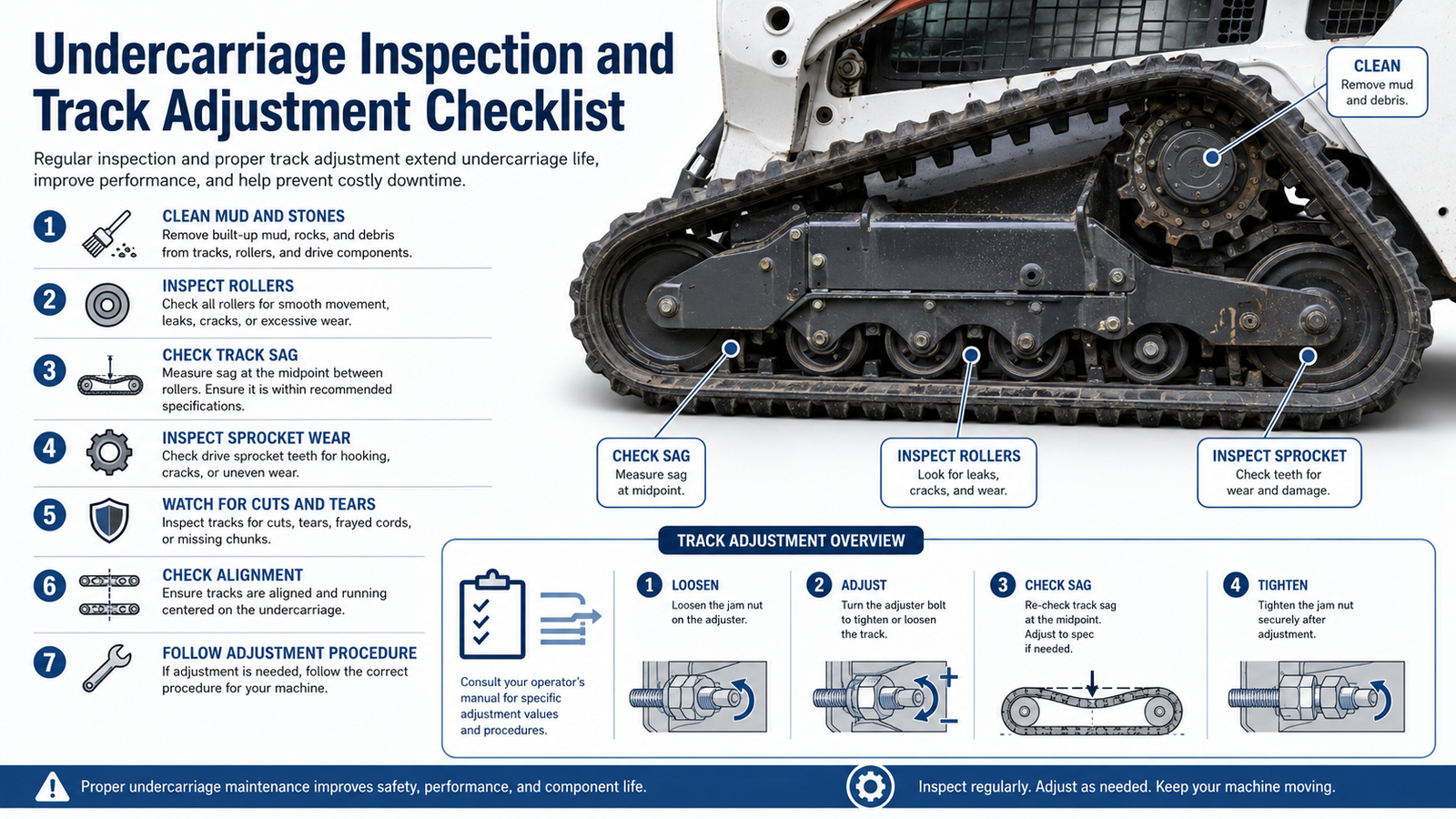
Figure 79.2 – Undercarriage inspection and track adjustment checklist.
Image Description: A checklist-style image detailing debris removal, roller inspection, track sag checks, and track adjustment steps.
Adjustment and Long-Term Care
If track adjustment is needed, the correct method and values from the operator manual should always be followed. Improvised adjustments or over-tightening can create more damage than the original issue. Long-term care also means watching for uneven wear patterns that may suggest misalignment or repeated operating stress. The best undercarriage programs combine regular cleaning, correct tension, early repair of worn parts, and operator habits that avoid unnecessary abuse.
Owners who track service history can see useful patterns in life expectancy and workload. This is especially valuable in fleets where multiple machines operate in different soil, rock, or demolition environments.
Undercarriage Care Essentials
Keep the undercarriage clean so inspection is possible and wear is reduced.
Check track condition, rollers, sprockets, and idlers regularly.
Measure and adjust tension according to the manual.
Respond quickly to cuts, leaks, or abnormal wear signs.
Link maintenance habits with operating conditions and operator technique.
Frequently Asked Questions
What happens if tracks are too loose?
Loose tracks increase the chance of de-tracking, unstable movement, and uneven wear across the undercarriage system.
Can over-tight tracks cause damage?
Yes. Excessive tension raises wear and places more load on components, which can reduce undercarriage life.
Why is cleaning the undercarriage so important?
Built-up mud and debris increase wear and can hide damage that should be found during daily inspection.
Key Takeaway
Undercarriage care is critical for tracked machines. Cleanliness, correct tension, and early inspection keep the track system efficient and help prevent expensive wear-related failures.
Get More Expert Guides & Updates
Subscribe for Machinery.org guide updates and product learning content.