

Machinery specifications are the language manufacturers use to describe size, capability, performance, and operating limits. Buyers often compare one headline figure, such as horsepower or bucket capacity, and assume the machine with the larger number is better. That approach can lead to poor choices because equipment works as a complete system. Weight, dimensions, hydraulics, stability, lift geometry, traction, and attachments interact. A specification is useful only when the buyer understands what condition produced the number and whether it matches the real job.
The first step is to separate physical specifications from performance specifications. Physical specifications include operating weight, width, height, length, ground clearance, wheelbase, track gauge, and transport dimensions. Performance specifications include lift capacity, digging depth, reach, travel speed, hydraulic flow, breakout force, gradeability, and cycle-related figures. Both groups matter. A machine may have excellent performance but be too wide for the site or too heavy for the available trailer.
The second step is to compare equivalent conditions. Lift capacity can change with height, reach, load center, attachment weight, and machine position. Digging forces can be measured in different ways. Bucket capacity may be struck or heaped. Hydraulic flow may be standard, high flow, or measured at a particular engine speed. Read the footnotes and diagrams instead of treating maximum numbers as everyday working limits.

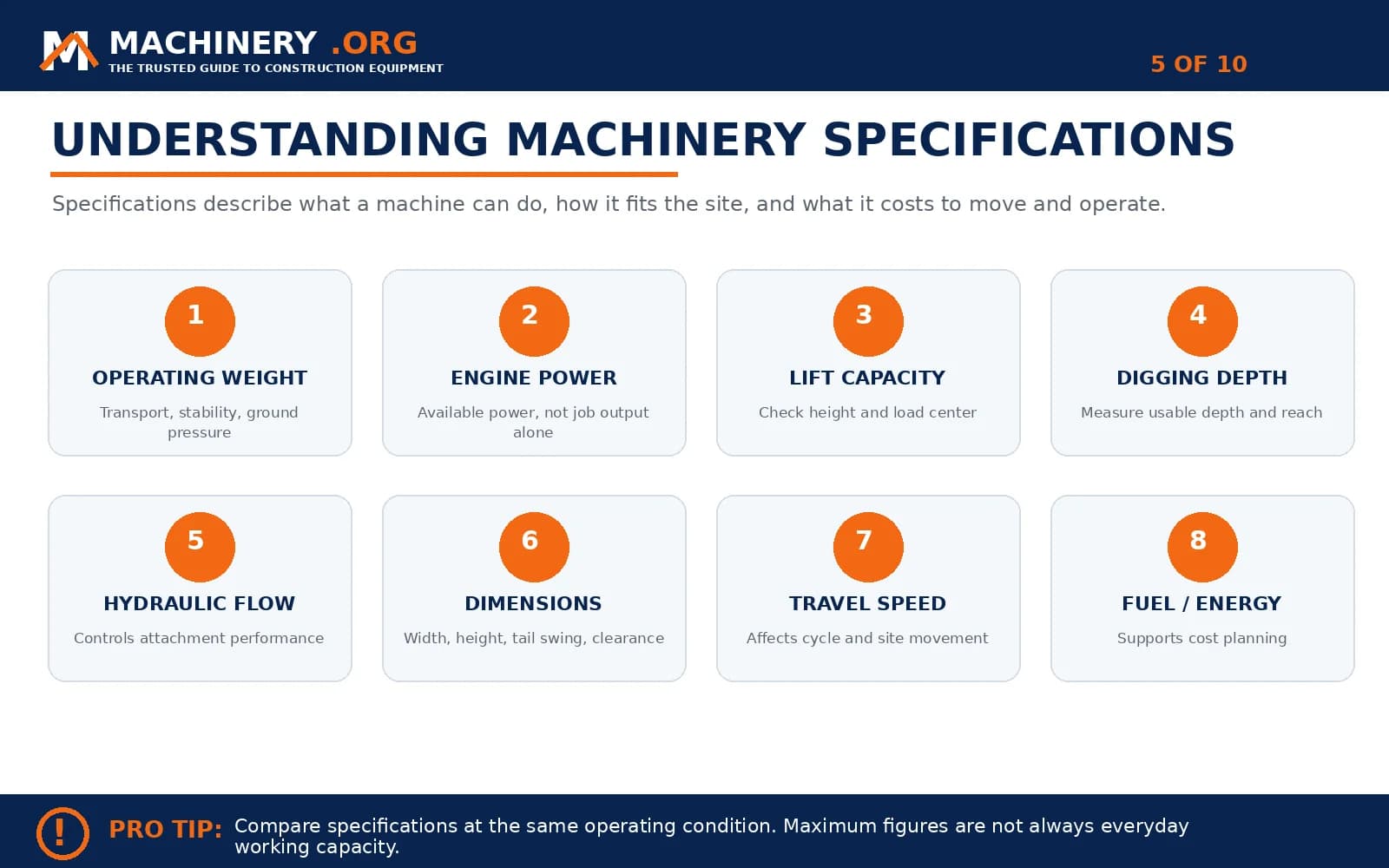
Figure 13.1. Custom Machinery.org infographic for Understanding Machinery Specifications.
Operating weight and dimensions
Operating weight affects transport, ground pressure, stability, and site access. Confirm what the published weight includes. Cab, counterweight, bucket, fuel, tracks, and optional equipment can change the real number. Dimensions should be checked in both working and transport configurations.
Engine power
Horsepower or kilowatts indicate engine output, but they do not directly equal digging, lifting, or hydraulic performance. Power must be transferred through the hydraulic system or drivetrain. A balanced machine with effective hydraulics can outperform a higher-powered machine that is poorly matched to the task.
Capacity and stability
Rated operating capacity, lift capacity, tipping load, and forklift capacity are not interchangeable. Skid steer capacity is commonly related to tipping load. Forklift capacity depends on load center and mast height. Excavator lifting capacity varies with reach, height, blade position, and lifting direction. Use the load chart.
Hydraulic flow and pressure
Flow determines the speed and oil volume available to hydraulic attachments. Pressure supports force. Both must match the attachment. High-flow capability is valuable only when the business uses attachments that need it. Extra specifications that are never used may increase purchase cost without improving return.
Digging depth, reach, and height
Maximum depth is not the only excavator measure. Horizontal reach, dump height, vertical wall capability, and boom swing may be more important on specific sites. For loaders, hinge-pin height, dump clearance, and reach at full height influence truck loading and material placement.
Travel, traction, and gradeability
Travel speed affects movement between tasks, but traction and stability determine whether the machine can use that speed. Ground pressure, tire type, track type, and weight distribution matter on soft or sensitive surfaces. Gradeability numbers should never replace safe operating judgment.
Transport and ownership fit
Check total transport weight with attachments, trailer capacity, axle loading, tie-down points, and legal limits. Also compare service intervals, fluid capacities, filter access, and dealer support. A specification sheet should help the buyer understand ownership, not just performance.
Comparison method
Write the job requirements before reading brochures.
Circle the specifications that directly affect the work.
Normalize units before comparing brands.
Read footnotes, load charts, and configuration notes.
Test the machine under a realistic task whenever possible.

Figure 13.2. Custom Machinery.org decision or checklist graphic for Understanding Machinery Specifications.
Common specification traps
One common trap is comparing machines in different configurations. A brochure may list the lightest operating weight while the dealer unit includes a cab, counterweight, hydraulic coupler, larger bucket, and full fuel. Another trap is treating rated capacity as the load that can be handled safely in every position. Capacity often decreases as reach or height increases. Buyers should ask for the exact configuration sheet and the working chart that applies to the machine being quoted.
A second trap is assuming a larger specification guarantees faster production. An oversized bucket may slow cycle time in dense material. Extra hydraulic flow provides no benefit when the attachments do not require it. Greater machine width may improve stability but prevent access. Specifications must be tested against the bottleneck in the job. The best number is the one that solves the real constraint.
Create a requirement sheet before shopping
Write minimum and preferred requirements for width, weight, reach, lift, hydraulic flow, transport, and attachment compatibility. Add site conditions, material density, expected annual hours, and the trucks or trailers already owned. This requirement sheet prevents sales features from distracting the buyer and makes brand comparisons more objective. It also gives the dealer enough information to recommend a configuration rather than simply promoting the machine already in inventory.
Specifications should also be translated into site consequences. A few inches of extra width can prevent gate access, while a small increase in transport weight can require a different trailer or tow vehicle. A higher dump height may eliminate the need for a ramp when loading trucks. Converting numbers into these operational effects helps nontechnical decision-makers understand why one configuration creates more value than another.
Frequently Asked Questions
Is more horsepower always better?
No. Hydraulic efficiency, traction, stability, gearing, and attachment matching often matter more.
What specification is most often misunderstood?
Lift capacity, because the number changes with reach, height, load center, configuration, and direction.
Should I compare maximum specifications?
Use them as boundaries, not as the everyday target. Real productivity should be evaluated under normal operating conditions.
Key Takeaway
Good specification reading begins with the job. Compare equivalent conditions, study the footnotes, and choose the balanced machine that fits access, transport, attachments, and production needs.
Get More Expert Guides & Updates
Subscribe for Machinery.org guide updates and product learning content.