
Introduction
A skid steer may look profitable if owners focus only on the purchase price, but the real cost of ownership appears over time. Fuel, maintenance, repairs, wear parts, transportation, insurance, attachments, and downtime all contribute to the actual operating cost. That is why budgeting should be treated as part of machine management rather than an accounting task left until the end of the year.
For Machinery.org readers, cost awareness is especially important because skid steers are often used across many short tasks. Those varied jobs make expenses easy to overlook. Small daily costs add up quickly, and a lack of records often makes it hard to know whether the machine is being used efficiently or whether a repair pattern is beginning to develop.
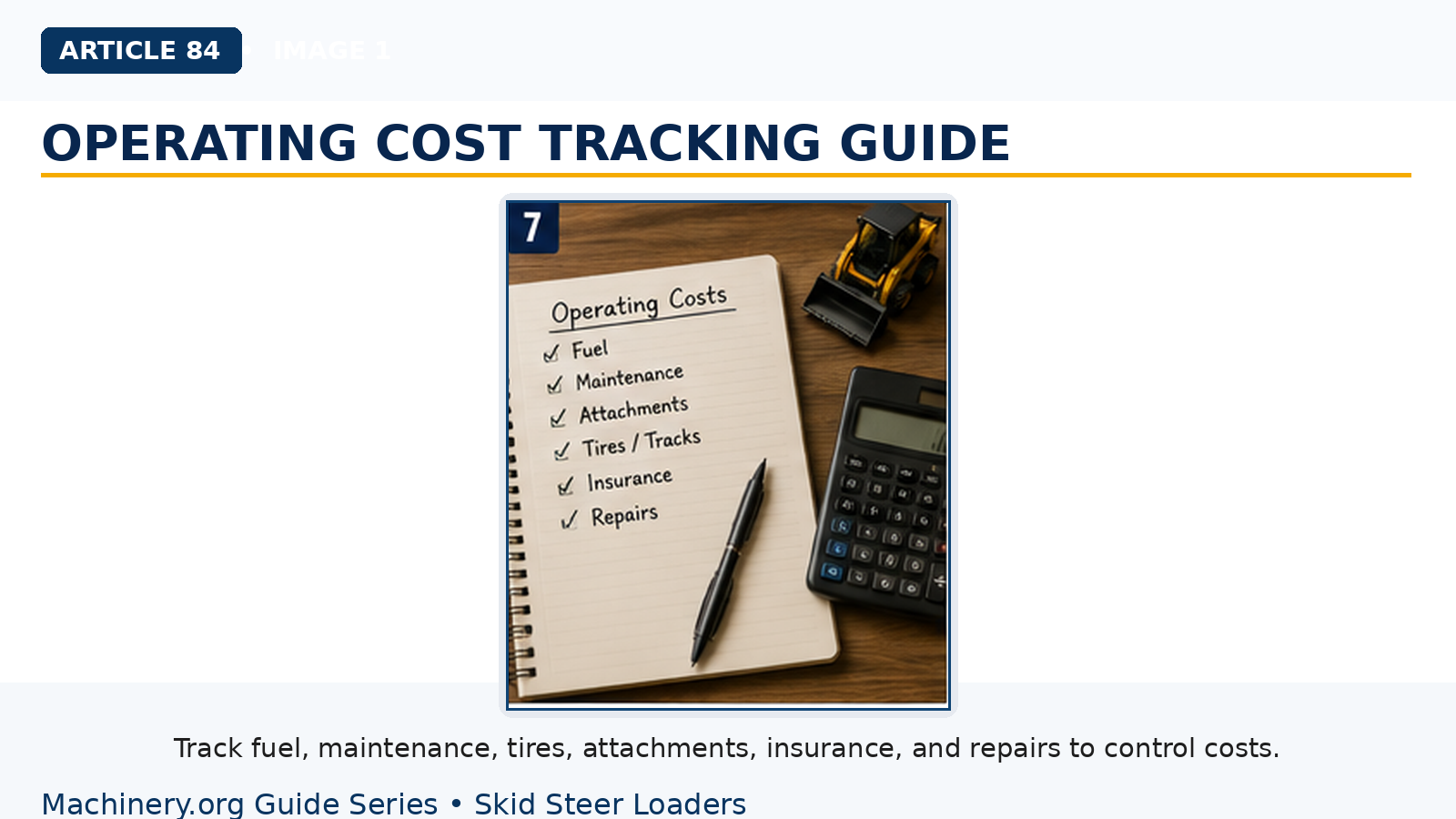
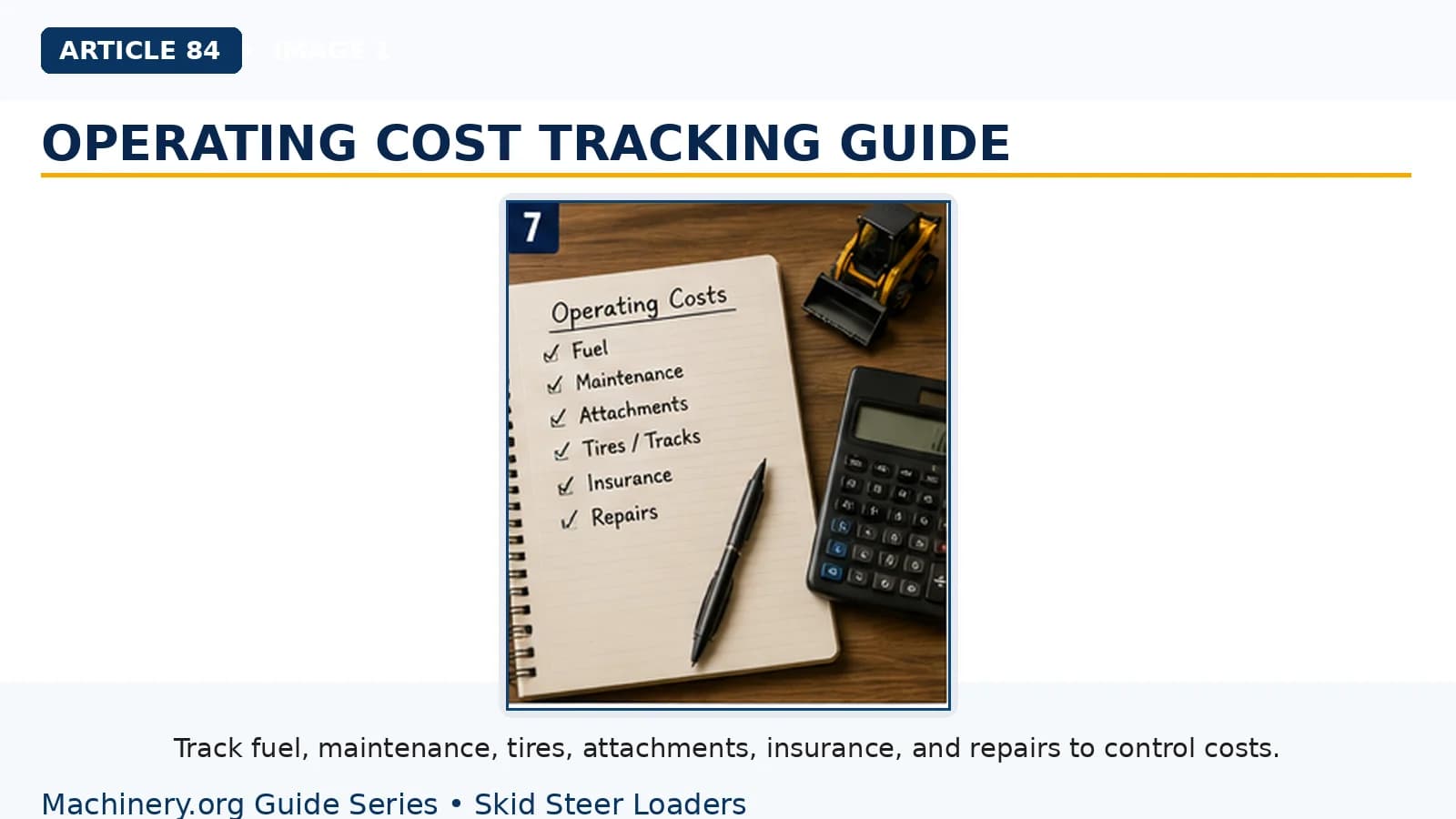
Figure 84.1 – Operating cost tracking guide.
Image Description: A 16:9 infographic showing a cost checklist for fuel, maintenance, tires or tracks, attachments, insurance, and repairs.
What Belongs in the Operating Budget
A complete budget includes both fixed and variable costs. Fixed costs may include financing, insurance, taxes, storage, and certain administrative expenses. Variable costs include fuel, lubricants, routine service items, filters, wear parts, tire or track replacement, and unexpected repairs. If the machine uses specialized attachments, those costs should be tracked separately so owners understand which jobs create the most wear and expense.
The goal is not only to know what the machine costs, but also why it costs that amount. Cost categories reveal operating habits. For example, unusually high fuel usage may suggest too much idle time, incorrect work technique, or a machine that is mismatched to the task.
Track fuel, maintenance, attachments, repairs, tires or tracks, and insurance as separate categories.
Record hours worked alongside money spent so cost per hour can be estimated.
Note which jobs or attachments are associated with unusually high wear.
Review recurring repairs to identify patterns before they become failures.
Update the budget regularly instead of waiting for year-end summaries.
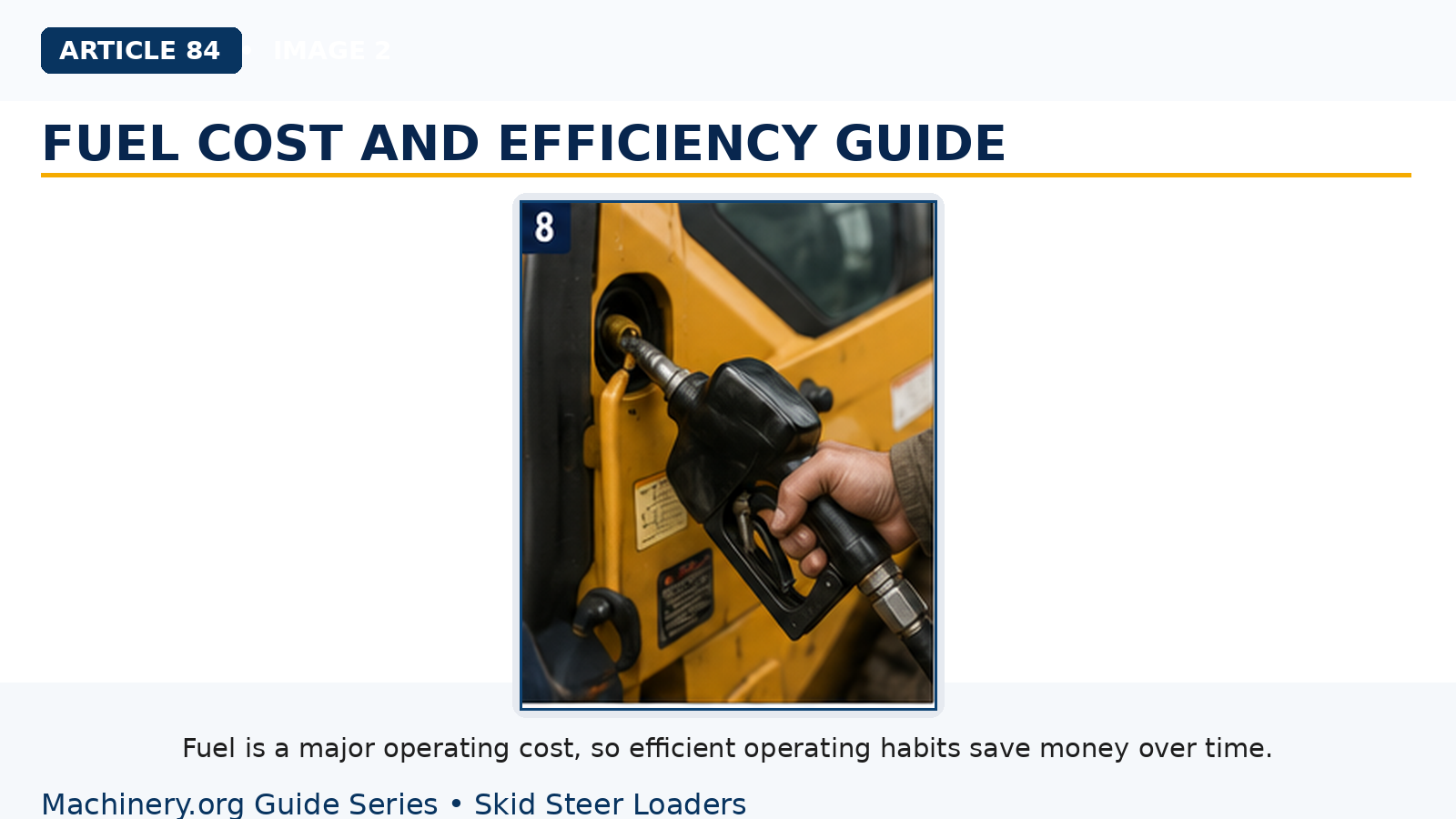
Figure 84.2 – Fuel cost and efficiency guide.
Image Description: A 16:9 infographic showing fueling practices and reminding owners that operating habits influence total fuel cost.
Fuel Efficiency and Cost Control
Fuel is one of the easiest costs to see and one of the easiest to waste. Excessive idling, over-speed operation, poor route planning, dirty filters, and improper attachment use can all raise fuel consumption. Operators who match engine speed to the job and avoid unnecessary travel often save meaningful money over time.
Fuel efficiency also depends on machine condition. Restricted airflow, underinflated tires, dragging components, or hydraulic issues may make the engine work harder than necessary. Budgeting therefore works best when it is connected to maintenance and operator training rather than viewed in isolation.
Reduce unnecessary idle time whenever the job allows.
Use the right attachment and technique to finish tasks efficiently.
Maintain the engine and air-intake system to support proper combustion.
Track fuel use trends so abnormal changes are noticed early.
Compare cost per hour or cost per task across similar jobs.
Frequently Asked Questions
What is the most commonly overlooked skid steer cost? Many owners underestimate wear parts, small repairs, and the cost of downtime caused by delayed maintenance.
Why track fuel separately? Fuel often changes with operator habits and machine condition, so it is a good early indicator of efficiency problems.
Should attachments be included in budgeting? Absolutely. Some attachments increase revenue, but they also add service, wear, and replacement cost.
Key Takeaway
A good budget turns machine ownership into a managed process instead of a guess. Track costs consistently, connect them to operating hours and job types, and use the information to improve both profitability and decision-making.
Get More Expert Guides & Updates
Subscribe for Machinery.org guide updates and product learning content.