
A Complete Beginner’s Guide to Understanding Heavy Construction Equipment
Introduction
Heavy machinery forms the backbone of modern construction, mining, agriculture, and infrastructure development. From building skyscrapers and highways to extracting minerals and preparing farmland, these powerful machines enable humans to move earth, lift massive loads, and shape the physical world at scales impossible with manual labor alone. Understanding what heavy machinery is, how it is categorized, and why it matters is essential for equipment operators, project managers, contractors, rental companies, and anyone entering the construction or industrial equipment industry.
This guide provides a clear, detailed foundation. We will define heavy machinery, explore its main categories, explain the core technologies that power it, discuss typical applications, and outline key considerations for anyone working with or around these machines. Whether you are a new operator, a site supervisor, or simply curious about the equipment you see on job sites, this article will give you a solid working knowledge.
Defining Heavy Machinery
Heavy machinery (also called heavy equipment or heavy construction equipment) refers to large, powered vehicles or mechanical systems specifically designed for earthmoving, material handling, lifting, compacting, grading, or other high-force industrial tasks. These machines are characterized by:
- Significant size and weight – often several tons to hundreds of tons
- High power output – typically diesel engines ranging from tens to thousands of horsepower
- Specialized working tools or attachments – buckets, blades, forks, rollers, breakers, etc.
- Hydraulic, mechanical, or hybrid power transmission systems
- Ability to perform work that would be impractical or impossible with hand tools or light equipment
The term “heavy” is relative. A mini excavator weighing 1.5–3 tons is considered compact or light-duty heavy equipment, while a mining haul truck can exceed 300 tons. In industry practice, “heavy machinery” generally covers equipment used in construction, mining, forestry, and large-scale material handling that requires special transport, trained operators, and rigorous safety protocols.
Core Technologies That Power Heavy Machinery
Almost all modern heavy machinery relies on three foundational systems:
1. Diesel Engines
The vast majority of heavy equipment is powered by diesel engines. Diesel engines deliver high torque at low RPM, excellent fuel efficiency under load, and the durability needed for continuous operation in dusty, dirty, and demanding environments. Power ratings range from under 20 hp on small compact machines to well over 3,000 hp on large mining equipment. Understanding horsepower, torque, and fuel systems is critical for proper machine selection and maintenance.
2. Hydraulic Systems
Hydraulics are the muscle of heavy machinery. A hydraulic system uses pressurized fluid (usually oil) to transmit force from a pump to cylinders or motors. This allows a relatively small engine to generate enormous digging, lifting, and breaking forces. Key components include the hydraulic pump, control valves, cylinders, motors, hoses, and the reservoir. Virtually every modern excavator, loader, and skid steer depends on hydraulics for its primary working functions.
3. Undercarriage and Mobility Systems
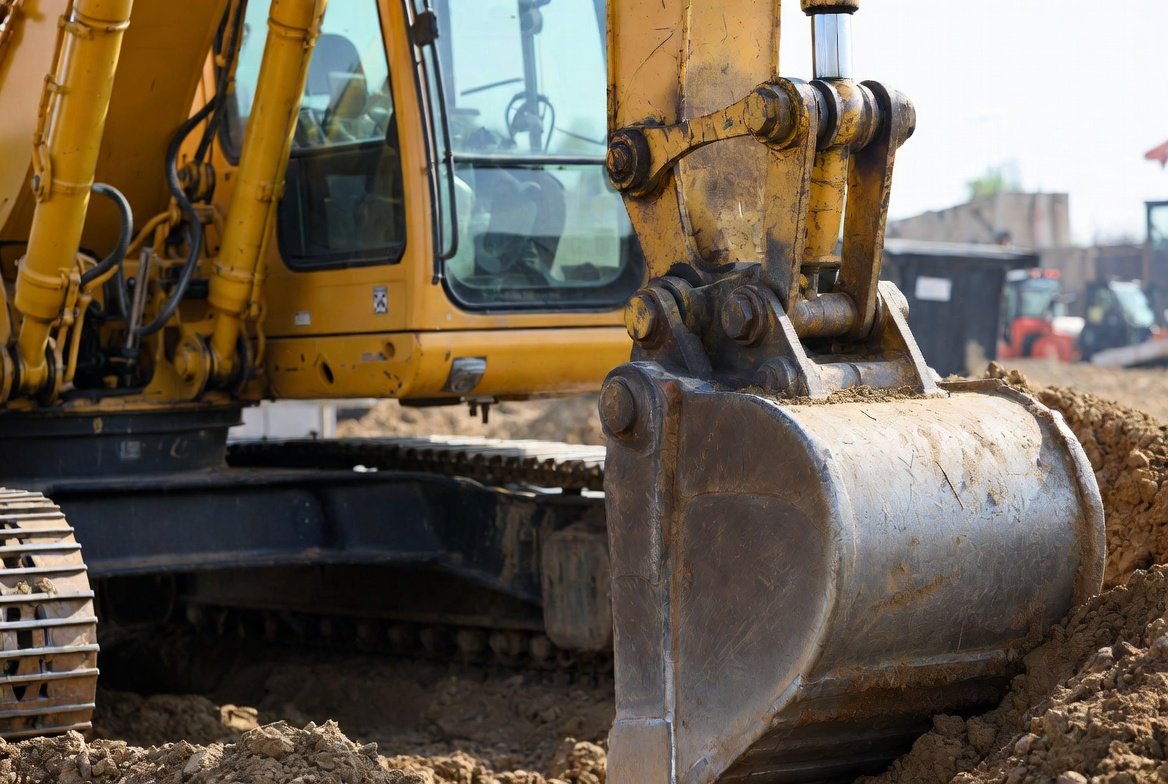
Heavy machines must move across rough, soft, or uneven ground. Two primary solutions exist: tracked undercarriages (crawler machines) and wheeled undercarriages. Tracks distribute weight over a larger area, reducing ground pressure and improving traction on soft or muddy terrain. Wheels allow higher travel speeds and are preferred on firm surfaces or for machines that travel longer distances between jobs. Understanding the trade-offs between tracks and wheels is fundamental when selecting equipment for a specific job site.
Main Categories of Heavy Machinery
While there are dozens of specialized machines, most heavy equipment falls into a few major functional groups:
Earthmoving Equipment
These machines dig, move, and shape soil and rock. Key examples include:
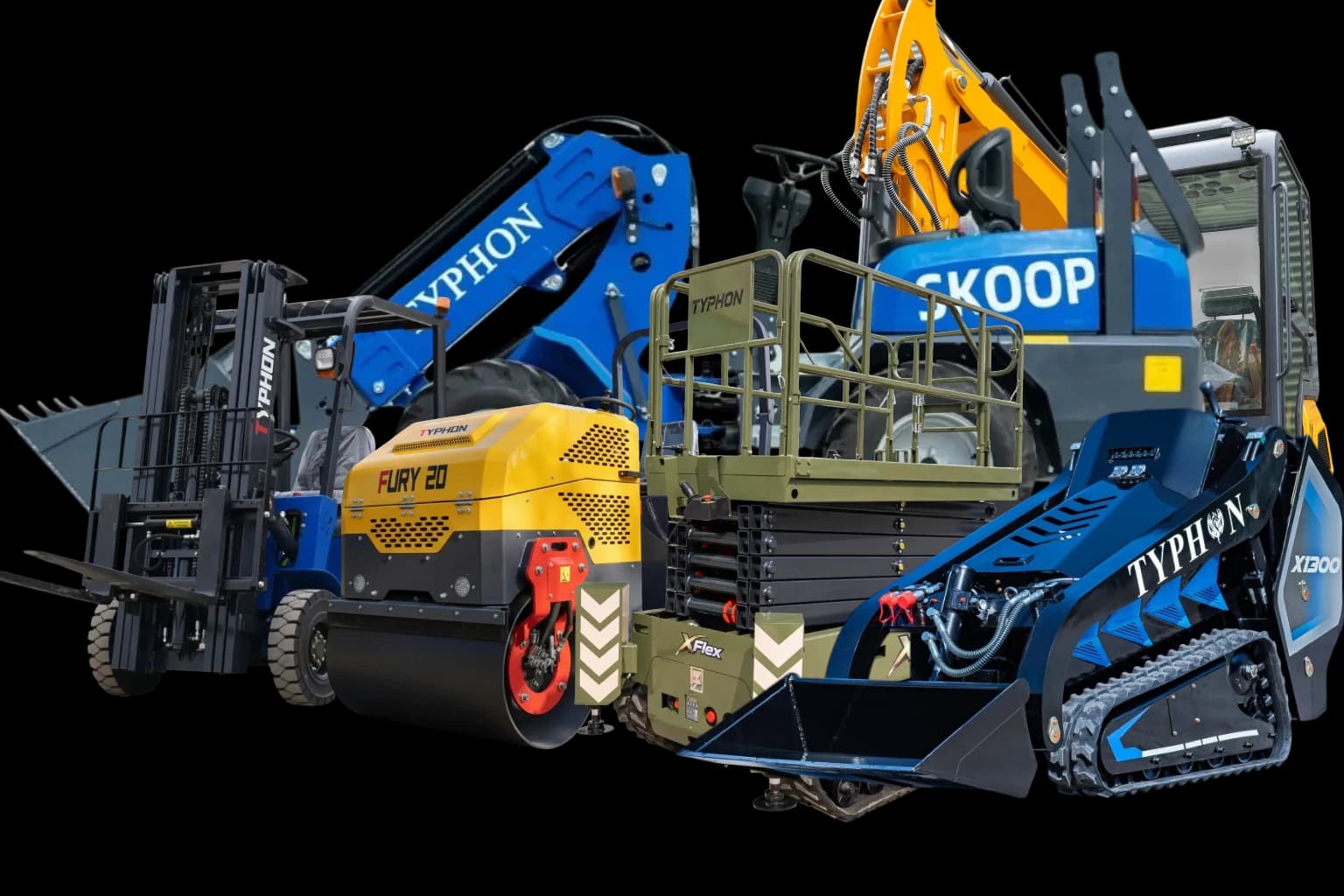
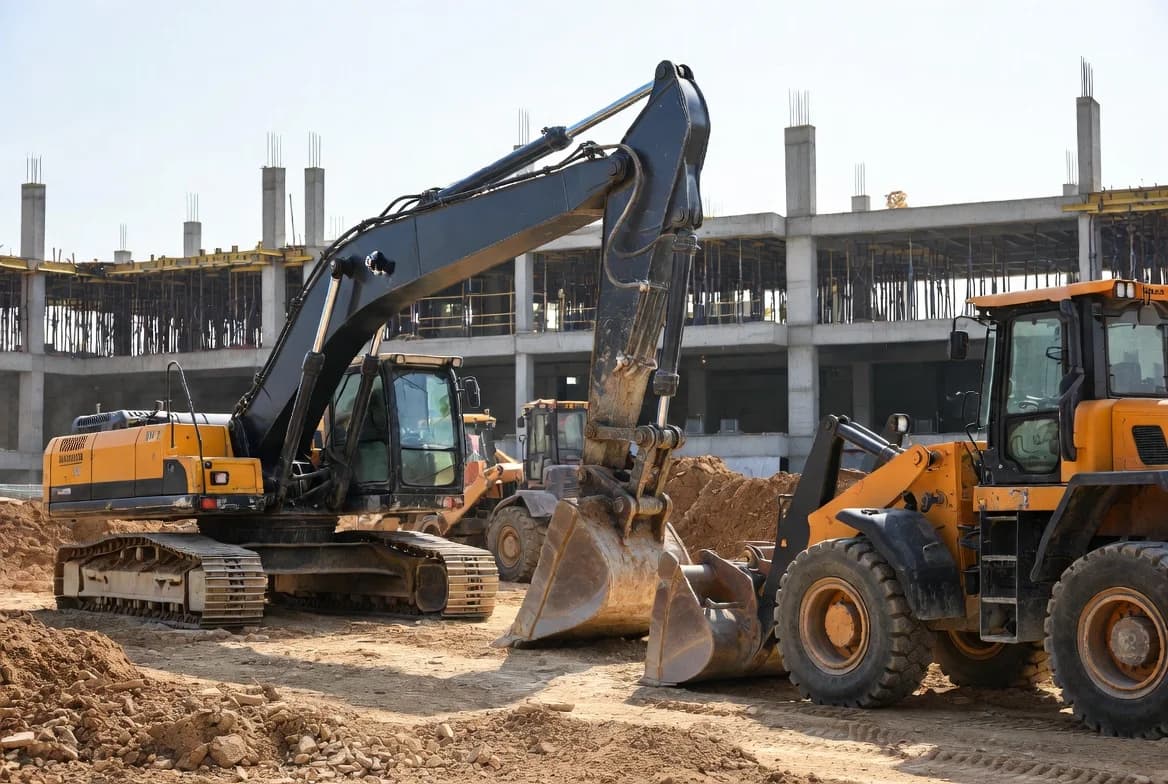
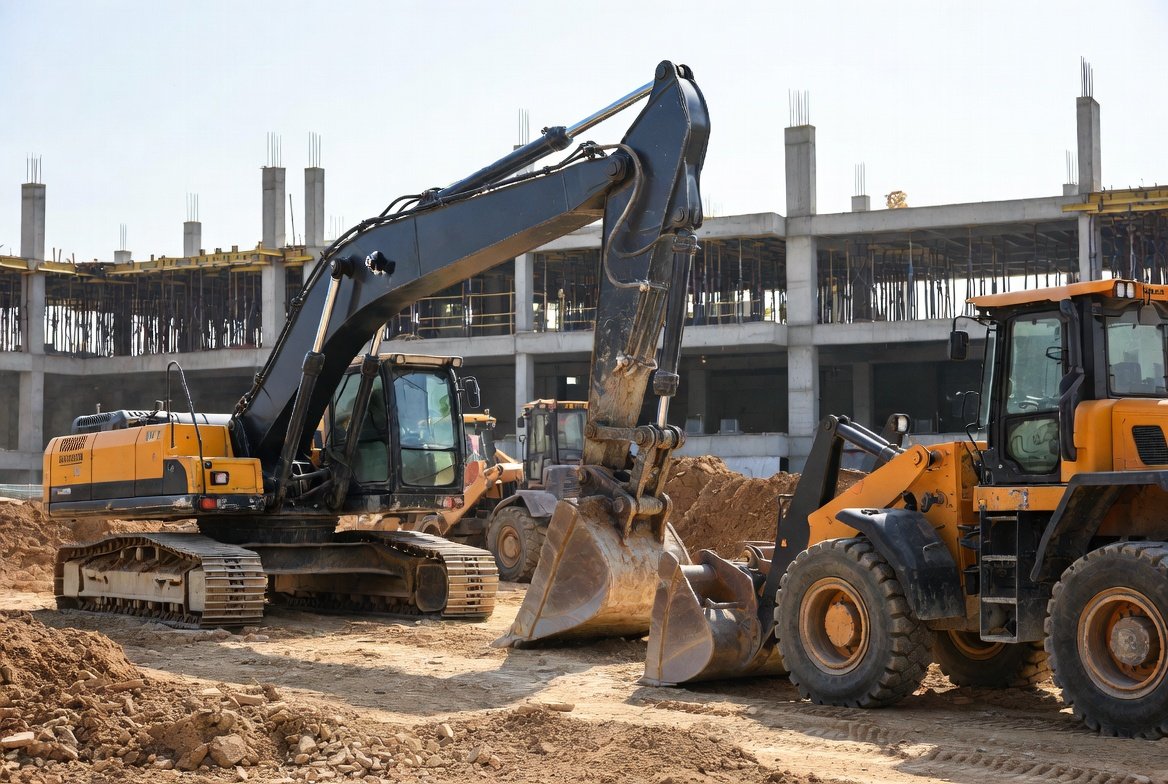
- Excavators – the most versatile earthmovers, used for digging trenches, foundations, and loading trucks
- Bulldozers (Dozers) – push large volumes of material with a front-mounted blade
- Wheel loaders / Front-end loaders – scoop and transport loose material
- Motor graders – create fine grade surfaces for roads and pads
Material Handling Equipment
These machines lift, carry, and place materials:
- Forklifts and telehandlers – lift palletized or bulk materials
- Cranes – lift very heavy loads to significant heights
- Skid steers and compact track loaders – highly versatile machines that accept dozens of attachments
Compaction and Finishing Equipment
Used to densify soil or asphalt and prepare finished surfaces:
- Road rollers / Compactors – static or vibratory drums that compress material
- Pavers – lay asphalt or concrete surfaces
Why Understanding Heavy Machinery Matters
A solid grasp of heavy machinery concepts delivers practical benefits:
- Safer job sites – Operators and ground personnel who understand machine capabilities, blind spots, and hydraulic forces make fewer dangerous mistakes.
- Better equipment selection – Choosing the right size and type of machine for the job reduces rental or ownership costs and increases productivity.
- Lower operating costs – Knowledge of maintenance needs, fuel consumption, and proper operation extends machine life and reduces downtime.
- Informed purchasing decisions – Whether buying new or used, understanding specifications (operating weight, breakout force, hydraulic flow, etc.) prevents costly mistakes.
- Career advancement – Operators, mechanics, and supervisors with strong technical foundations advance faster and command higher wages.
Key Takeaways
Heavy machinery is far more than “big yellow machines.” It is a sophisticated combination of diesel power, hydraulic force, and specialized structural design that enables modern civilization to build and maintain its infrastructure. The machines share common principles—high torque engines, pressurized fluid systems, and durable undercarriages—yet each category is optimized for specific tasks.
In the following guides in this Learning Center series, we will examine each major machine type in depth, explain critical performance specifications, cover safe operating practices, and provide practical checklists for inspection and maintenance. By building a strong foundation with this overview, you will be better prepared to understand the more specialized topics that follow.
Next Steps
Continue with the next article in the Machinery Basics series: “Main Types of Construction Equipment,” where we examine the full range of machines you are likely to encounter on a typical job site and how they work together.
This article is part of the Heavy Machinery Learning Center – Machinery Basics series.
Get More Expert Guides & Updates
Subscribe for Machinery.org guide updates and product learning content.