


Introduction
Cold weather can expose weak maintenance habits very quickly. A skid steer that runs acceptably in mild conditions may become slow to start, sluggish, or unreliable when temperatures drop. Diesel fuel thickens, batteries lose cranking strength, hydraulic oil moves more slowly, and snow or ice can hide mechanical issues that would be obvious in dry weather. Because of this, winter operation is not simply normal operation in colder air. It requires its own preparation routine, its own inspection priorities, and a patient approach from the operator.
For Machinery.org readers, the most important winter lesson is that prevention is easier than recovery. A few minutes spent checking fluids, battery condition, heater systems, traction surfaces, and fuel quality often prevent the kind of failure that turns into downtime on a freezing morning. Operators who build a cold-weather routine are usually the same operators who avoid dead batteries, gelled fuel, visibility issues, frozen couplers, and hard starts. Winter does not need to reduce productivity when preparation becomes part of the daily habit.
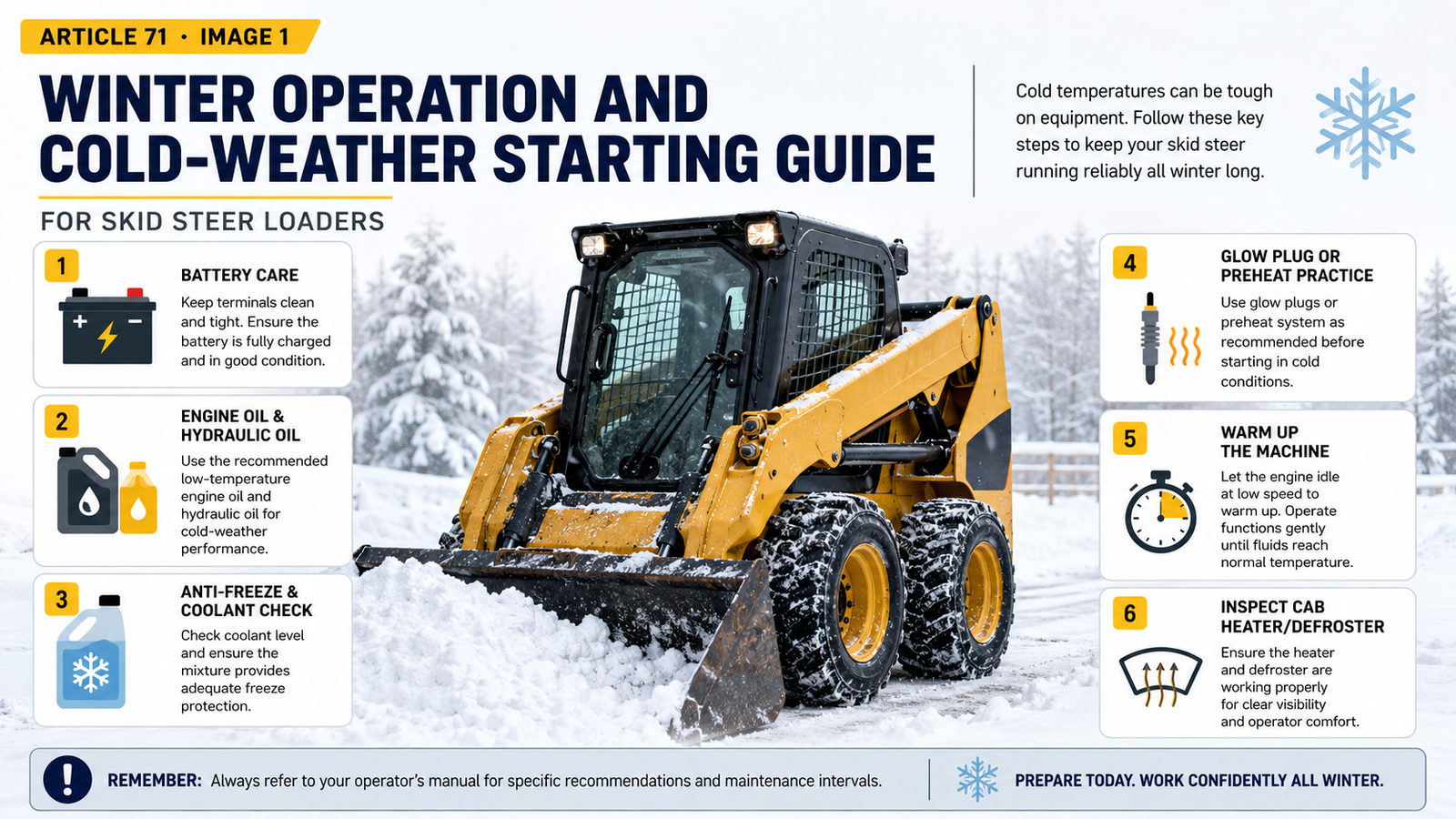
Figure 71.1 – Winter operation and cold-weather starting guide.
Image Description: A 16:9 infographic of a skid steer operating in snow with key winter maintenance and startup tips.
Why Cold Weather Affects Skid Steers
Low temperatures affect nearly every major system on a skid steer. Battery output drops as temperatures fall, making it harder for the starter to spin the engine. Engine oil and hydraulic oil become thicker, which increases resistance and slows system response until the machine warms up. Diesel fuel can form wax crystals in severe cold if the wrong blend is used, which can restrict filters and reduce fuel flow. Cab comfort systems also become more important, because poor defrosting and an underperforming heater can reduce visibility and operator alertness.
Cold weather reduces battery performance and increases starting load.
Low temperatures slow fluid movement and hydraulic response.
Winter fuel management is critical to avoid filter blockage or gelling.
Snow, ice, and condensation create traction and visibility hazards.
Warm-up discipline becomes more important than during mild seasons.
Starting Strategy in Freezing Conditions
A dependable cold-weather start begins well before the key is turned. Operators should inspect the battery, check fuel level, confirm that winter-grade diesel is being used when needed, and make sure the coolant mixture provides adequate freeze protection. If the machine is equipped with glow plugs, intake heaters, or a block heater, these systems should be used correctly rather than ignored. Once the machine starts, the operator should resist the temptation to go immediately to full work. Let the engine idle and allow fluids to begin warming before using drive or hydraulic functions aggressively.
Warm-up does not mean wasting time. It means giving the machine enough time to become responsive and safe. Functions can be cycled gently to help circulate fluids, and the operator should pay attention to abnormal noises, warning indicators, or slow hydraulic reaction. In winter, patience at startup is part of good equipment stewardship.
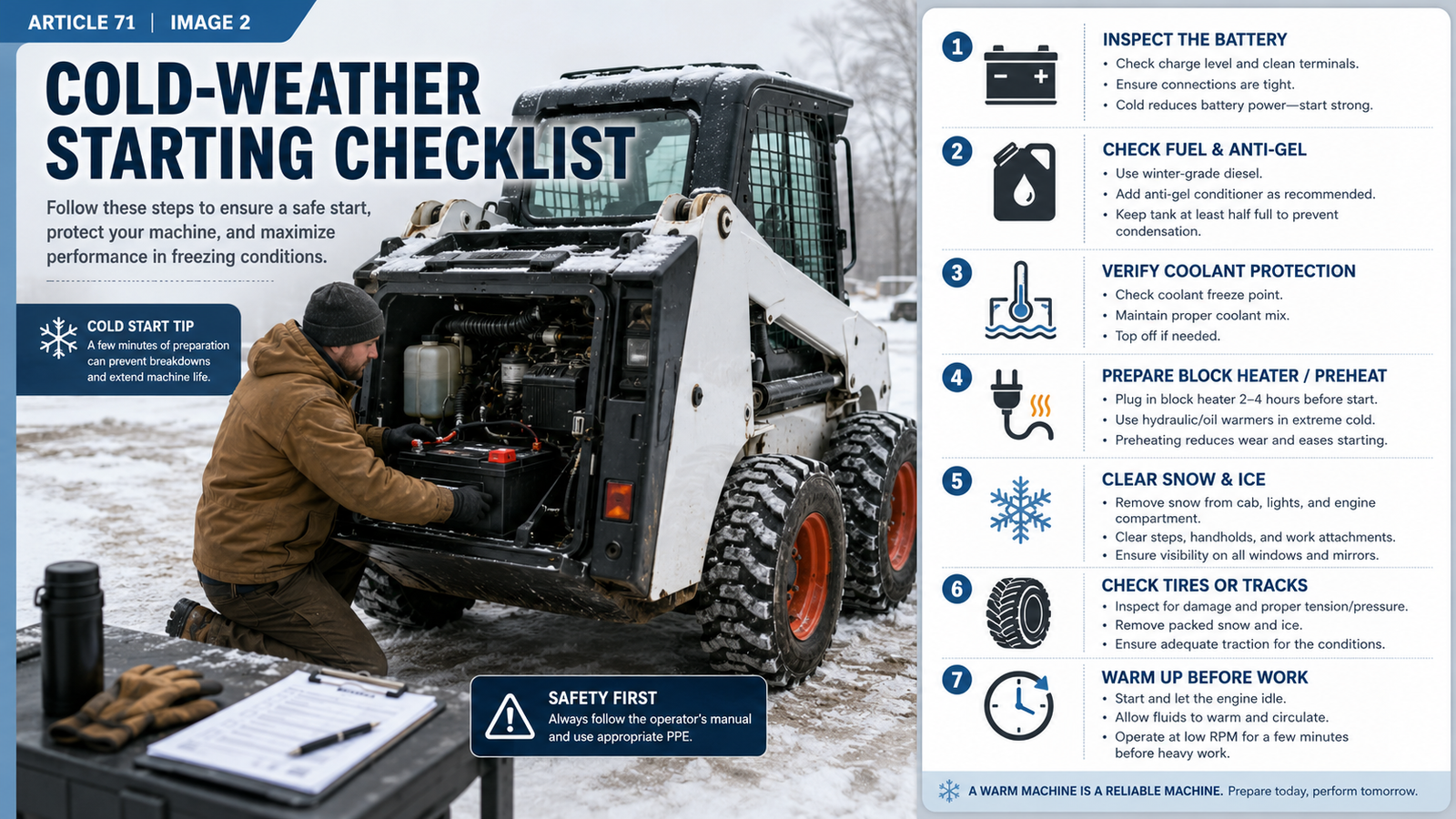
Figure 71.2 – Cold-weather starting checklist.
Image Description: A cold-start checklist graphic showing battery checks, winter fuel, coolant protection, preheat use, traction inspection, and warm-up guidance.
Daily Winter Inspection Priorities
The winter checklist should always include visibility, traction, and weather exposure points. Remove snow and ice from the cab, lights, steps, mirrors, and attachment areas. Inspect tires or tracks for snow packing or ice buildup. Check the wiper system and cab heater or defroster. Watch for hydraulic hose stiffness, cracked seals, brittle wiring, and any signs of fluid seepage. Cold weather is often when minor issues become major ones because materials contract and components are placed under greater starting stress.
Operators working in severe winter conditions may also benefit from a storage strategy that reduces exposure between shifts. Indoor storage, plug-in capability for block heaters, and protection from wind can all make the next start easier and reduce wear. Even simple habits like keeping the fuel tank fuller can reduce condensation and lower the chance of water problems.
Best Practices for Working All Winter
Charge and inspect the battery regularly during winter use.
Use winter-appropriate fuel and monitor the condition of filters.
Let the machine warm up before heavy work or fast travel.
Clear snow and ice from the machine before every shift.
Watch traction, visibility, and operator comfort systems closely.
Frequently Asked Questions
Why is my skid steer harder to start in winter?
Cold temperatures reduce battery power, thicken fluids, and make diesel fuel and engine systems work harder during startup.
Should I warm up a skid steer before working?
Yes. A short warm-up period helps circulate engine oil and hydraulic fluid and allows the machine to respond more smoothly and safely.
Does winter fuel really matter?
Absolutely. In cold climates, the correct diesel blend and proper additive practices help prevent fuel-related restriction or gelling problems.
Key Takeaway
Winter reliability comes from preparation, not luck. When operators manage batteries, fluids, fuel quality, and warm-up discipline correctly, cold weather becomes a manageable operating condition rather than a constant downtime threat.
Get More Expert Guides & Updates
Subscribe for Machinery.org guide updates and product learning content.