
Introduction
Operating a skid steer on sloped or uneven ground requires more judgment than flat-ground work. The machine may feel compact and powerful, but its short wheelbase, high breakout force, and changing center of gravity mean that mistakes can develop quickly into a rollover hazard. For that reason, slope work should never be treated as routine. Operators need a clear understanding of how the machine behaves when the terrain changes beneath it.
On Machinery.org, one of the most important safety messages for skid steer owners is that terrain awareness is a skill, not just a warning label. A safe operator constantly evaluates grade direction, surface firmness, traction, attachment position, and the weight of the load. What looks like a small rise or rough patch may affect balance far more than expected once the bucket is full or the attachment is raised.
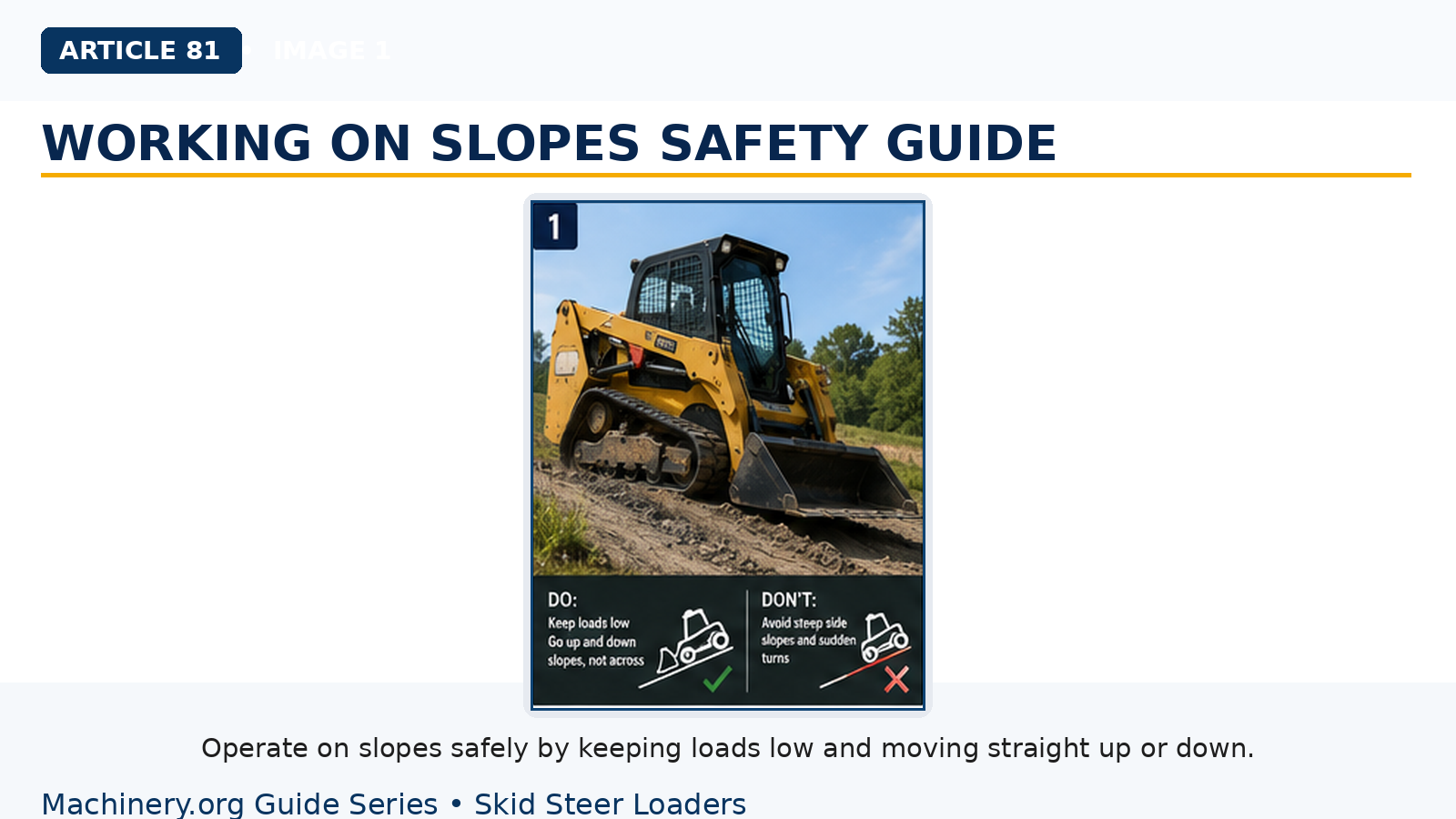
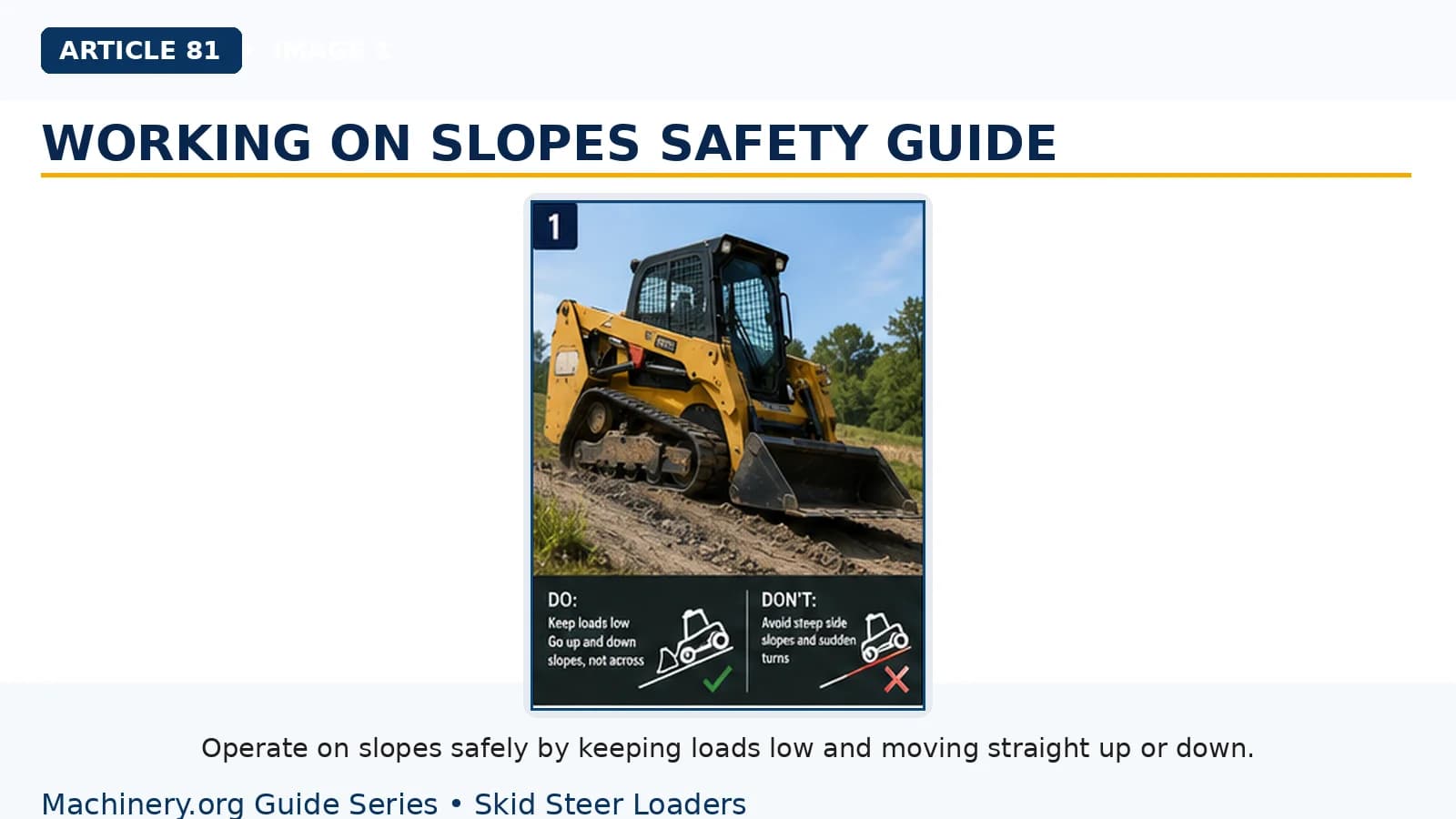
Figure 81.1 – Working on slopes safety guide.
Image Description: A 16:9 infographic explaining how to keep the load low and travel straight up or down a slope when operating a skid steer.
Why Slopes Change Machine Behavior
When a skid steer moves uphill, downhill, or across a slope, the weight of the machine shifts. That shift changes steering feel, traction, braking response, and the amount of force needed to control a load. Even if the machine remains within its rated limits on level ground, those limits feel very different on a slope because the center of gravity moves relative to the contact patch of the tires or tracks.
The safest general rule is to keep the load low and travel in a straight path up or down the grade whenever conditions allow. Turning sharply, raising the boom, or traveling too fast can all increase instability. Loose gravel, mud, wet grass, and hidden ruts further reduce the margin of safety.
Keep the bucket or attachment as low as possible while traveling.
Reduce speed before reaching the slope rather than reacting halfway up or down.
Avoid sudden steering changes, hard braking, or fast directional reversals.
Stay alert for surface changes such as washouts, rocks, soft shoulders, and holes.
Never assume yesterday’s conditions are the same as today’s after rain or heavy traffic.
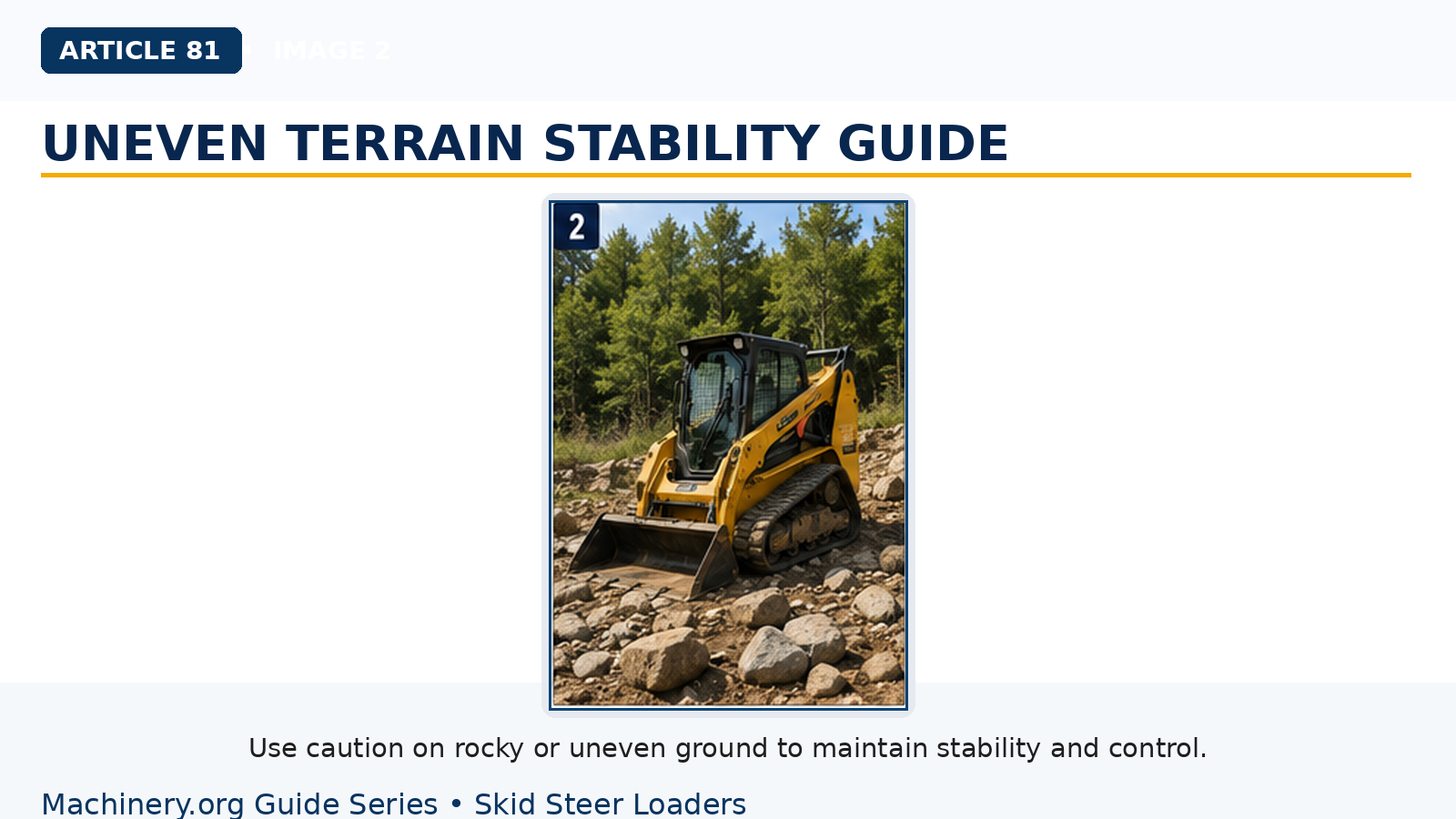
Figure 81.2 – Uneven terrain stability guide.
Image Description: A 16:9 infographic showing a tracked skid steer on rocky ground with advice about stability, traction, and careful travel.
Best Practices on Uneven Terrain
Uneven terrain introduces another layer of risk because the machine may pitch and roll at the same time. Large rocks, stump holes, trench edges, and demolition debris can unload one side of the machine and overload the other. Operators should slow down enough to read the ground and let the machine stay settled instead of bouncing across obstacles.
Track loaders usually distribute weight more effectively on rough surfaces, but they are not immune to instability. Tires may react differently depending on inflation, wear, and the type of surface. Regardless of machine type, the key is smoothness. Smooth travel, smooth steering, and smooth boom control all help maintain balance.
Inspect the route before starting work, especially if visibility is limited from the cab.
Approach obstacles slowly and squarely when possible.
Maintain extra distance from trench edges, embankments, and soft shoulders.
Use a spotter when working near hazards that are difficult to judge from the operator seat.
Reposition or level the work area if the terrain is too severe for safe operation.
Frequently Asked Questions
Should I drive across a hill with a loaded bucket? In most cases, no. Cross-slope travel increases rollover risk, especially with a raised or heavy load. Travel straight up or down the slope when site conditions permit.
Are tracks always safer than wheels on rough ground? Tracks often provide better flotation and contact area, but safety still depends on speed, load position, slope angle, and operator technique.
What is the biggest mistake on slopes? A common mistake is moving too fast and lifting the load too high while turning. Those three factors together greatly reduce stability.
Key Takeaway
Slope safety starts with planning and continues with disciplined machine control. Keep the load low, drive smoothly, read the ground carefully, and avoid shortcuts on terrain that challenges balance. A cautious operator protects the machine, the jobsite, and everyone nearby.
Get More Expert Guides & Updates
Subscribe for Machinery.org guide updates and product learning content.