
How Compact Dumpers Improve Material Handling on Tight Jobsites
Space is one of the biggest challenges on modern jobsites, and it often decides how efficiently a crew can move material.
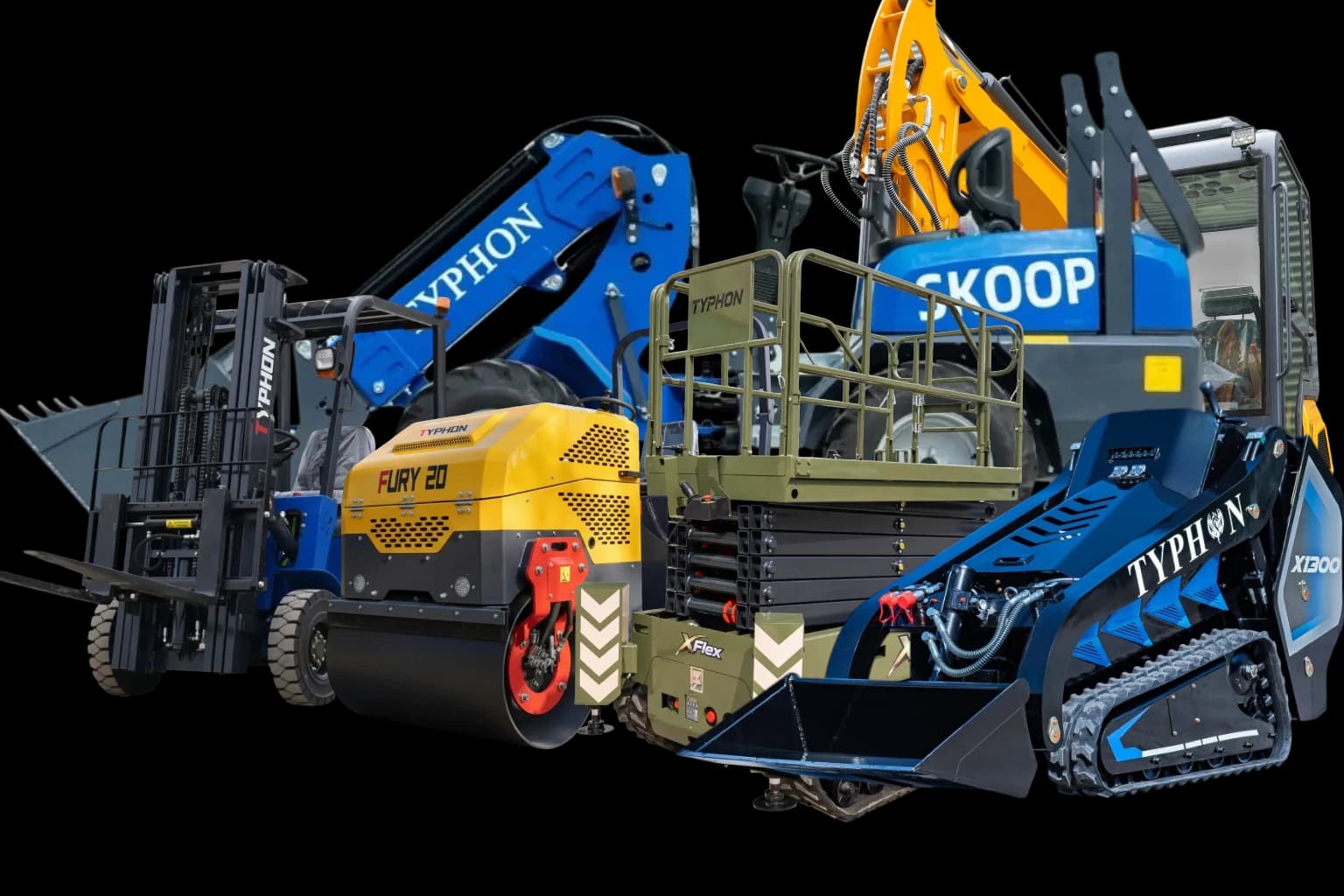
Representative machinery image from the Machinery.org media library.
Space is one of the biggest challenges on modern jobsites, and it often decides how efficiently a crew can move material. When entrances are narrow, work zones are crowded, and obstacles stand in every direction, a large machine can create more problems than it solves. Compact dumpers change that equation. Built to work where bigger equipment cannot fit, they bring dependable carrying capacity to sites where every foot of space counts.
This guide explains how compact dumpers improve material handling on tight jobsites across five key areas. You will see how they access confined work areas, maneuver around obstacles, transport soil, gravel, and debris efficiently, reduce disruption to the surrounding site, and deliver practical performance on smaller projects. By the end, you will understand why these machines have become a trusted choice for landscaping, renovation, construction, and utility work where space is a major consideration.
Easy Access in Confined Work Areas
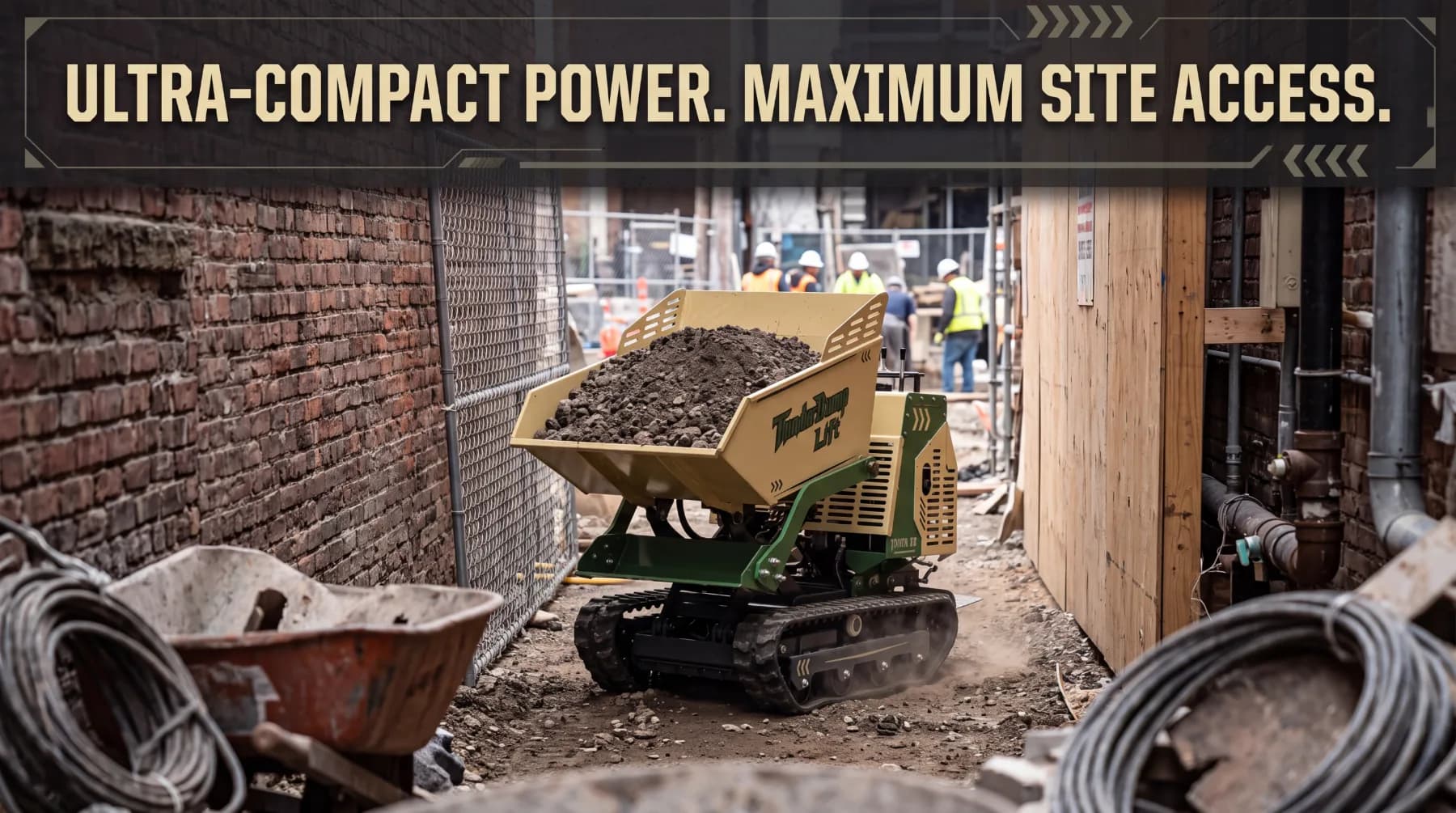
Access is the first hurdle on any tight jobsite, and it is where compact dumpers prove their value immediately. These machines are built to move through narrow entrances, tight pathways, and restricted work zones where larger equipment simply cannot operate. A standard garden gate, a passage between two buildings, or a doorway into a partially built structure can stop a full-size machine cold, forcing crews to carry material by hand. A compact dumper slips through these openings and reaches the work directly, keeping material moving where it needs to go.
This smaller footprint matters most on the kinds of sites where space is always at a premium. Landscaping projects behind finished homes, renovation work inside existing structures, and utility jobs in established neighborhoods all present access points that were never designed with heavy equipment in mind. A compact dumper's dimensions let it travel these routes without tearing up surroundings or requiring crews to widen paths or remove sections of fencing just to bring a machine through.
The practical payoff shows up throughout the workday. When a machine can reach the actual work area rather than stopping at the edge of the site, material transport becomes faster and far less labor-intensive.
Narrow entrances such as gates, alleys, and doorways become passable rather than roadblocks
Tight interior spaces in renovation and construction work stay reachable by machine
Restricted zones hemmed in by structures no longer force material to be moved by hand
By making these hard-to-reach areas accessible, a compact dumper removes one of the most common sources of wasted time and effort on a crowded site, letting the work proceed with the efficiency the job demands.
Improved Maneuverability Around Obstacles
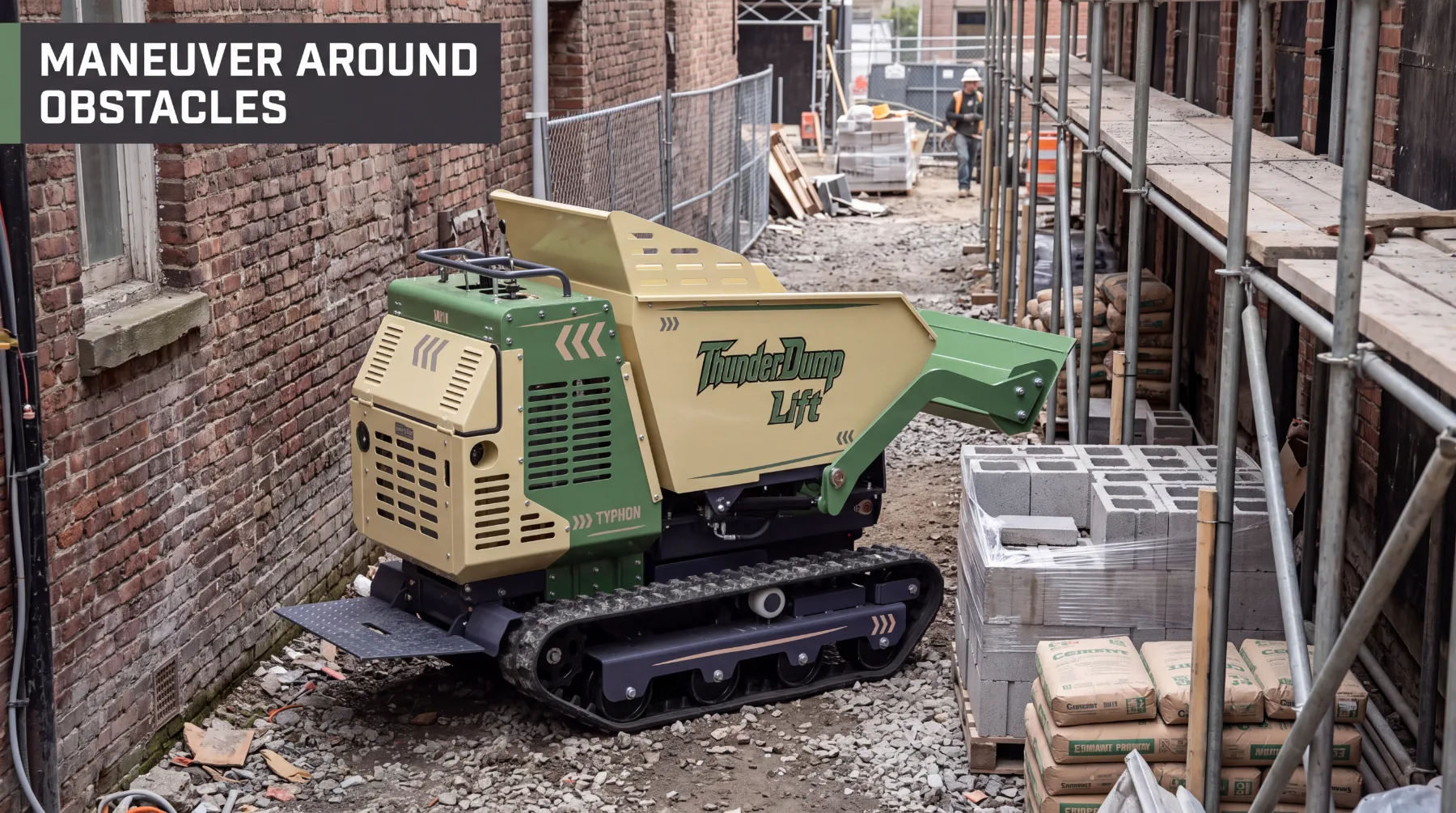
Getting onto a jobsite is only part of the challenge. Once there, a machine has to work within a space that is often crowded with buildings, materials, equipment, and other crews. A compact dumper's design allows it to turn, pivot, and reposition easily around these obstacles, which is where its maneuverability becomes just as important as its access. Where a larger machine would need a wide arc to swing around or a long run to reverse into position, a compact dumper handles the same movements in a fraction of the space.
This agility keeps material moving efficiently without demanding large working areas. On a busy construction or renovation site, an operator rarely has the luxury of open ground. Instead, they navigate around scaffolding, stacked materials, parked equipment, and active work zones, often within a few feet of clearance. A compact dumper lets the operator thread through these tight quarters with confidence, adjusting course as the layout of the site shifts throughout the day.
Consider a utility crew working in a narrow trench corridor between a building and a boundary wall. A machine that can reposition in place, rather than requiring a multi-point turn, keeps soil and spoils moving without holding up the rest of the crew. The same holds true for landscapers working around planted beds, patios, and hardscaping, where a single wrong move could damage finished work. Tight, controlled maneuverability protects the surroundings while keeping the material flowing. This combination of a small turning footprint and responsive handling is what allows compact dumpers to stay productive in spaces that would leave larger machines stranded, making them dependable partners on jobs defined by obstacles and limited room.
Efficient Material Transport
Moving material from one point to another is the core purpose of any dumper, and compact models handle this task with impressive efficiency even when space is tight. They carry and transport soil, gravel, debris, and other materials between excavation areas, storage points, and disposal zones with far less manual handling than crews would otherwise need. This shifts the heavy lifting from workers to the machine, which keeps material flowing steadily and protects the crew from the fatigue that slows a project down.
The value of this efficient transport becomes clear across a full range of common tasks. On an excavation job, a compact dumper shuttles spoil away from the dig to a stockpile or waiting truck. On a landscaping project, it carries gravel, topsoil, and mulch to where they are needed and hauls away debris and green waste in return. In renovation work, it moves demolition rubble out and building materials in, all through spaces too tight for larger equipment.
Soil and spoil moved from excavation areas to stockpiles or disposal points
Gravel and aggregate transported to placement areas without repeated wheelbarrow trips
Debris and waste cleared from the work zone quickly and in bulk
What makes this especially valuable on tight jobsites is that the flow of material does not stop when space runs short. A crew relying on manual handling loses time and energy with every load, and progress slows as the day wears on. A compact dumper keeps a steady rhythm regardless of how confined the site is, carrying meaningful loads in a single trip rather than forcing dozens of trips by hand. That consistency keeps the whole operation moving and ensures material reaches its destination reliably, which is exactly what a well-run jobsite depends on.
Reduced Disruption to the Jobsite
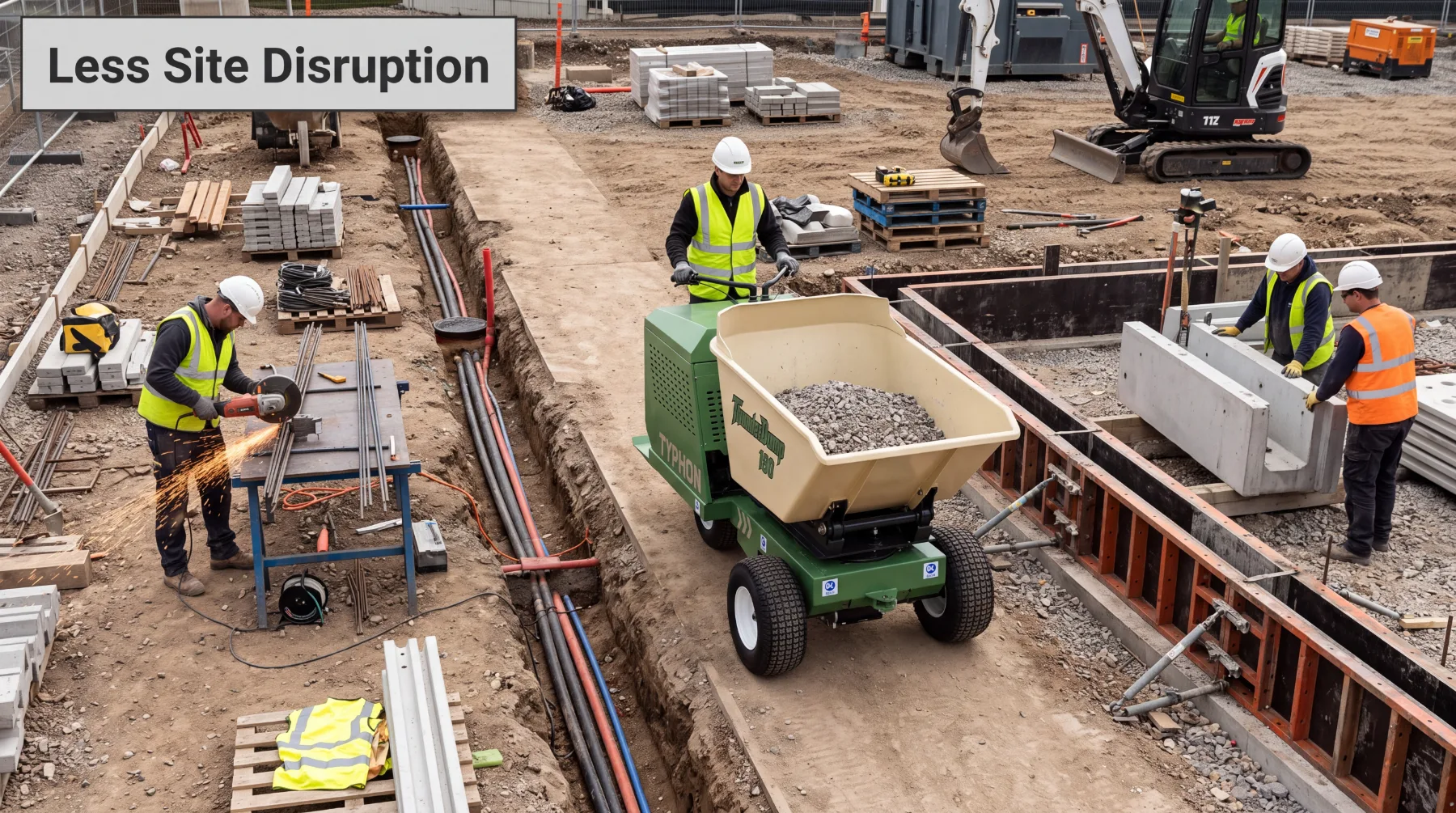
A crowded jobsite works best when every machine and every worker has room to do their job, and this is another area where compact dumpers deliver a clear advantage. Their smaller size lets them operate alongside workers and other equipment without taking up excessive space. Rather than dominating the site and forcing everyone else to work around them, compact dumpers fit into the flow of activity, sharing tight spaces with crews and machinery in a way that keeps the whole operation coordinated.
This has a direct effect on how organized a site can stay. When a machine occupies less ground, more of the site remains available for staging materials, positioning equipment, and giving workers safe room to move. Cluttered, congested sites are harder to manage and carry greater risk, so a machine that keeps its footprint small helps maintain the kind of tidy, orderly work area that supports both safety and productivity. Access to important sections of the site stays open rather than being blocked by an oversized machine parked in the middle of the action.
The benefit extends to how smoothly different trades can work in parallel. On a renovation or construction project, several crews often need to occupy the same area at once, and a compact dumper allows material handling to continue without shutting down the surrounding work. It can complete its trips, drop its loads, and reposition without interrupting the rest of the crew or creating bottlenecks that stall progress. By minimizing the space it demands and the disruption it causes, a compact dumper helps a site run in a controlled, well-organized way. That reduced footprint is not just a convenience; it is a practical contribution to keeping a busy jobsite efficient and manageable from start to finish.
Practical Performance on Small Projects
For the many jobs where space is a defining constraint, compact dumpers offer a genuinely practical solution rather than a compromise. Across landscaping, renovation, construction, and utility work, they provide a dependable way to handle soil, gravel, debris, and other materials on sites where a larger machine would be impractical or impossible to use. This versatility across project types is a large part of what makes them such a trusted choice for contractors who regularly work in confined conditions.
Their appeal comes down to a balance that suits smaller projects perfectly. A compact dumper pairs meaningful carrying capacity with dimensions that fit tight spaces, so it can move substantial loads without needing the room a full-size machine demands. This means a crew does not have to choose between a machine that fits and a machine that carries enough to be useful. The compact dumper delivers both, which is exactly what small and space-restricted jobs require.
Consider how this plays out across different types of work:
Landscaping projects rely on it to move topsoil, gravel, mulch, and green waste around finished outdoor spaces
Renovation work depends on it to clear demolition debris and deliver materials through tight interior and exterior routes
Construction tasks use it to keep material flowing on compact or partially built sites
Utility jobs put it to work moving spoil and backfill along narrow trench corridors
In each of these settings, the combination of carrying capacity and compact size lets the machine perform real, productive work where space is limited. This is why compact dumpers have earned their place as reliable equipment for smaller projects. They meet the specific demands of tight jobsites directly, giving contractors a capable, right-sized tool they can count on to keep material handling efficient no matter how confined the conditions.
Conclusion
Compact dumpers solve one of the most persistent problems on tight jobsites: how to move material efficiently when space is scarce. They access confined work areas through narrow entrances that stop larger machines, maneuver easily around the obstacles that crowd a busy site, and transport soil, gravel, and debris with far less manual handling. Their smaller footprint reduces disruption and helps keep work areas organized, and their balance of carrying capacity and compact dimensions makes them a practical fit for landscaping, renovation, construction, and utility work alike.
If your projects regularly take you into confined spaces, a compact dumper is worth serious consideration. Assess your typical access points, the obstacles you work around, and the volume of material you move, then choose a machine sized to match those demands. With the right compact dumper on site, you can keep material flowing reliably and your work moving forward, even where space is at its tightest.
Frequently Asked Questions
1. What makes a compact dumper better than a larger machine on tight jobsites?
The main advantage is size. Compact dumpers are built to move through narrow entrances, tight pathways, and restricted work zones where larger machines cannot fit or operate safely. A standard gate, a passage between buildings, or a doorway into a structure can stop a full-size machine entirely, forcing crews to move material by hand. A compact dumper slips through these openings and reaches the work directly. Beyond access, its smaller footprint lets it maneuver around obstacles, share space with workers and other equipment, and keep a site organized rather than congested. Importantly, this smaller size does not mean giving up usefulness. Compact dumpers pair meaningful carrying capacity with dimensions that suit confined spaces, so they move substantial loads without demanding the room a larger machine needs. On sites where space is the defining constraint, that combination makes them the more practical and productive choice for keeping material handling efficient.
2. What types of materials can a compact dumper handle?
Compact dumpers are designed to carry and transport a wide range of common jobsite materials, including soil, gravel, aggregate, debris, and construction waste. On excavation work, they move spoil from the dig to a stockpile or waiting truck. In landscaping, they carry topsoil, gravel, and mulch to placement areas and haul green waste and debris away in return. On renovation projects, they clear demolition rubble and deliver building materials through tight routes, and on utility jobs they move spoil and backfill along narrow trench corridors. The key benefit across all these materials is reduced manual handling. Instead of relying on repeated wheelbarrow trips or shifting heavy loads by hand, a crew lets the machine carry meaningful volumes in a single trip. This keeps material flowing steadily, protects workers from fatigue, and maintains a consistent pace throughout the day. As always, loads should stay within the machine's rated capacity to keep operation safe and reliable.
3. Which types of projects benefit most from compact dumpers?
Compact dumpers are especially well suited to landscaping, renovation, construction, and utility work, particularly on smaller or space-restricted sites. Landscaping projects often take place behind finished homes and around planted beds, patios, and hardscaping, where a compact machine can work without damaging established features. Renovation jobs frequently involve tight interior and exterior routes that only a small machine can navigate, making them ideal for clearing debris and delivering materials. Construction tasks on compact or partially built sites benefit from a machine that keeps material moving without dominating limited space. Utility work, such as trenching in established neighborhoods, relies on compact dumpers to move soil and backfill through narrow corridors. What ties these applications together is the challenge of limited space. Any project where access points are narrow, obstacles are plentiful, or room to maneuver is scarce stands to gain from a machine designed specifically to perform in those conditions while still carrying useful loads.
4. How do compact dumpers help keep a jobsite organized and safe?
Compact dumpers help keep a site organized primarily through their small footprint. Because they take up less ground than larger equipment, more of the site stays available for staging materials, positioning other machines, and giving workers safe room to move. A cluttered, congested site is harder to manage and carries greater risk, so a machine that keeps its footprint small supports a tidier, more controlled work area. Access to important sections of the site stays open rather than being blocked by an oversized machine. Compact dumpers also work well alongside crews and other equipment, allowing several trades to operate in the same area at once without shutting down surrounding work. The machine can complete its trips, drop its loads, and reposition without creating bottlenecks or forcing everyone to work around it. By minimizing both the space it demands and the disruption it causes, a compact dumper contributes directly to a safer, better-organized, and more efficient jobsite.
5. Do compact dumpers sacrifice carrying capacity for their smaller size?
Not in a way that undermines their usefulness. Compact dumpers are engineered to strike a balance between capacity and size, so they carry meaningful loads while still fitting into confined spaces. The goal is to give crews a machine that both reaches the work and moves enough material to make a real difference, rather than forcing a choice between the two. While a compact dumper will not match the sheer volume of a large machine, that raw capacity is often unusable on tight jobsites where the bigger machine cannot fit in the first place. On the projects these machines are built for, the compact dumper's capacity is well matched to the work at hand, letting it carry substantial loads of soil, gravel, or debris in a single trip. To get the best results, select a model whose rated capacity suits the volume of material you typically move, and operate it within those limits for safe, dependable performance.

Reader feedback
Have any comments, corrections, or suggestions for this blog post? Reach out to our support team.
Report feedback