
WM and Caterpillar Move Landfill Equipment Toward Autonomous Operation
After piloting Cat Command remote operation at a landfill in Arizona, WM and Caterpillar are moving into testing of an autonomous landfill compactor, pushing autonomy into one of heavy equipment's harshest operating environments.
WM and Caterpillar Move Landfill Equipment Toward Autonomous Operation
From remote control to autonomy
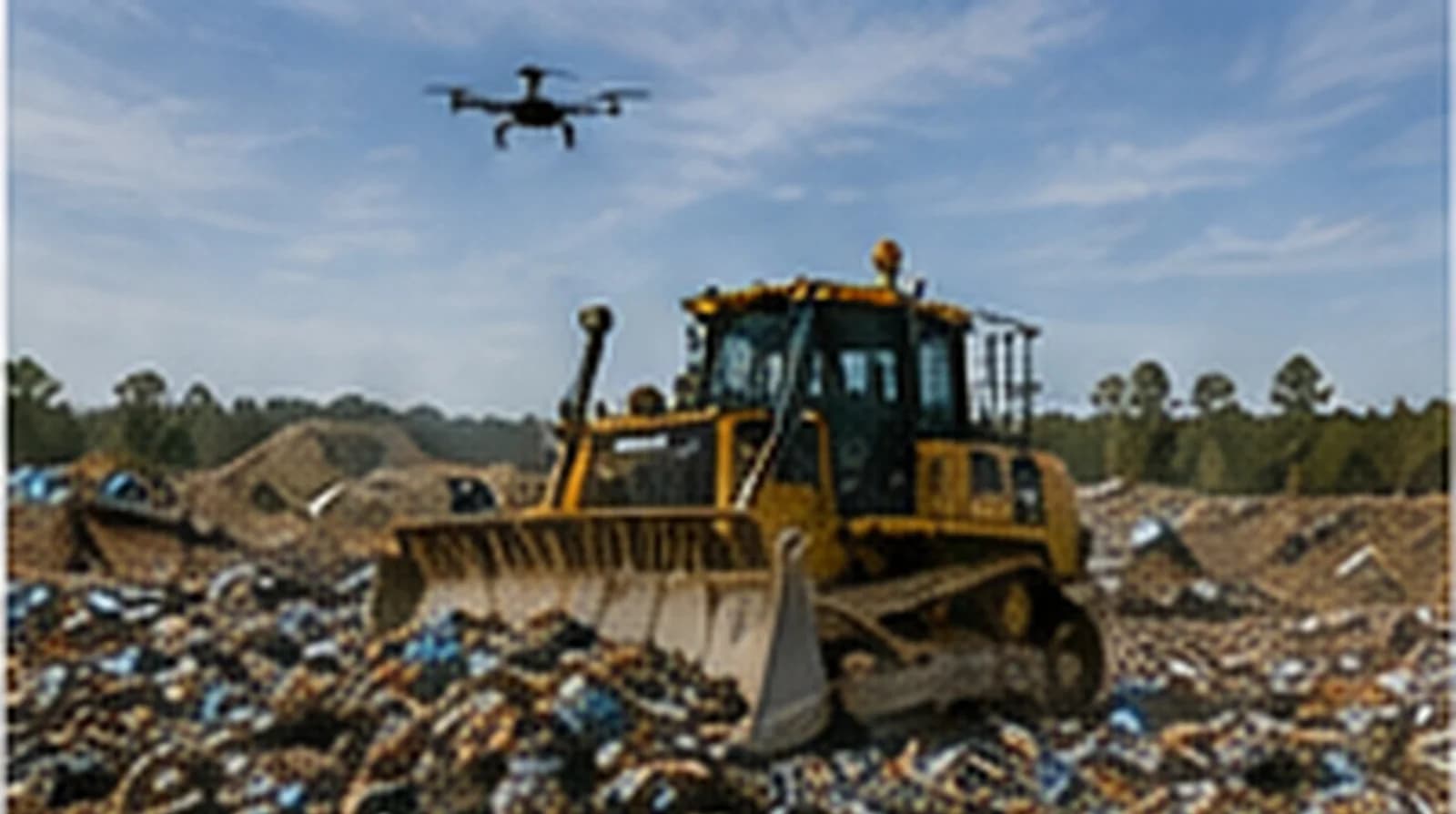
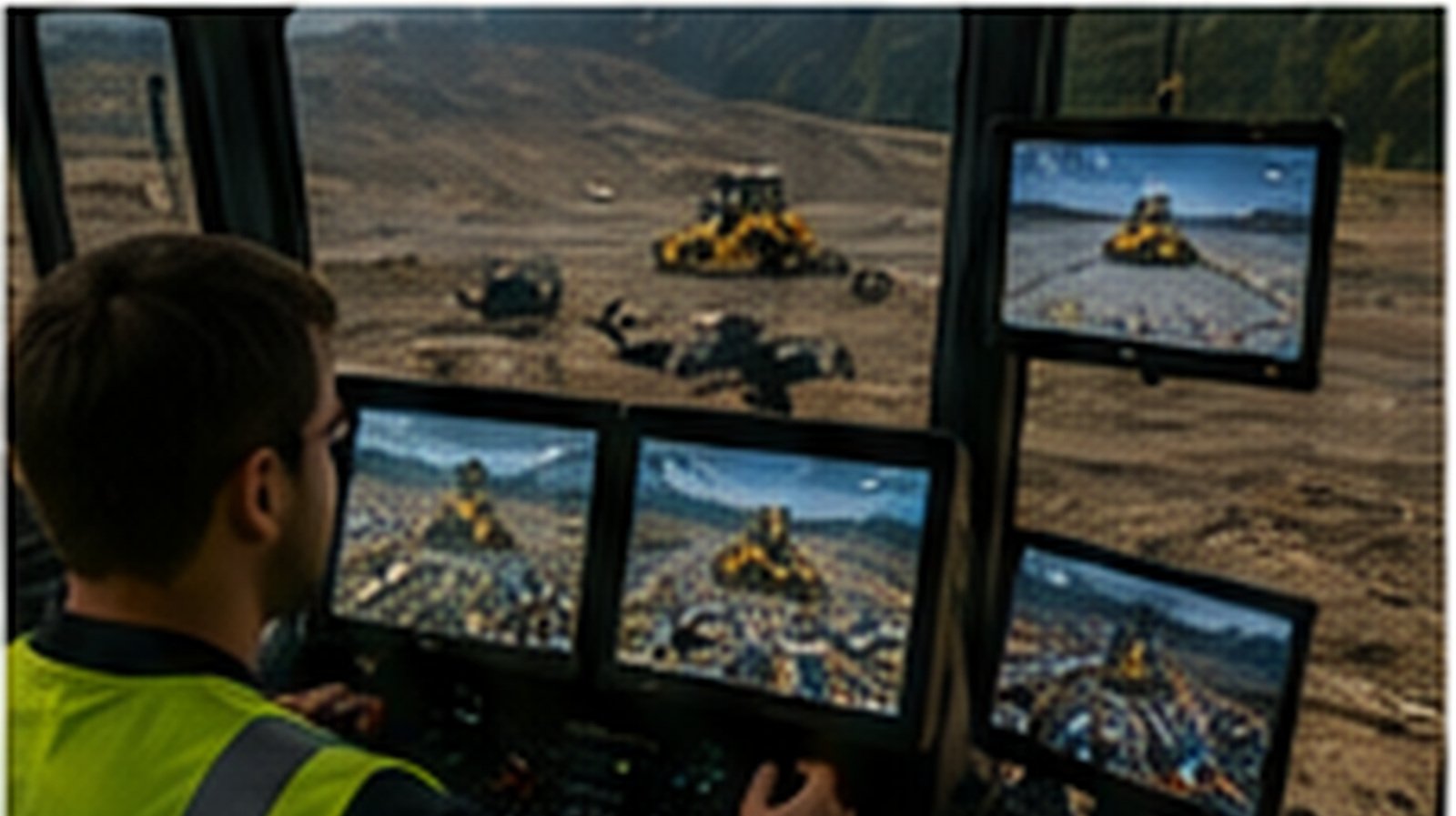
WM says it is advancing its 'Landfill of the Future' program after successfully piloting remote-controlled heavy equipment. The company began operating a bulldozer equipped with Cat Command technology at its Marana, Arizona landfill in late 2025. The operator can control the machine from a climate-controlled location using cameras and remote controls rather than sitting in the dozer. Based on that experience, WM and Caterpillar now plan to test a Caterpillar-developed autonomous landfill compactor. The shift is significant because it moves the program from removing the operator from the cab to exploring how parts of the work itself can be automated.
Why landfills are difficult jobsites
A landfill is a punishing environment for heavy equipment. Machines work around loose and unpredictable material, steep working faces, dust, windblown debris, puncture hazards and changing traffic patterns. Compactors and dozers repeatedly push, spread and compact material while trucks arrive and unload nearby. The surface changes throughout the day. That combination makes the site a useful proving ground for remote and autonomous equipment: if systems can operate reliably in landfill conditions, the lessons may transfer to other repetitive heavy-equipment tasks in waste, quarrying and earthmoving.
Safety is the clearest initial case
The immediate benefit of remote operation is straightforward: it can separate the operator from heat, dust, odor, vibration and some physical hazards while maintaining direct human control of the machine. WM says the remote setup also provides a 360-degree camera view. That does not eliminate risk; it changes the risk profile. Camera latency, lens contamination, communication reliability and loss of direct machine feel must all be managed. But for operations where environmental exposure is a daily concern, moving the operator into a controlled station can be valuable even before full autonomy is ready.
What an autonomous landfill compactor would need to do
Compaction work may appear repetitive, but effective landfill operation depends on coverage, pass strategy, slope conditions, material type and coordination with incoming traffic. An autonomous system would need to know where it is, where it has already worked, where it should avoid traveling and when conditions require human intervention. It would also need robust obstacle detection because people and machines can enter the work zone. The technical challenge is therefore not simply to make the machine drive without a person; it is to make it perform a production task consistently inside a changing operating system.
Why utilization matters
Heavy equipment becomes expensive when it is underused, and landfills often operate long hours. Remote and autonomous technologies can create new staffing models in which one skilled operator or supervisor manages work from a safer central location. Over time, that could help address labor shortages or allow experienced operators to support several sites. Whether those savings materialize depends on system reliability, the amount of supervision required and the cost of communications and support infrastructure. The business case will be strongest if the technology increases productive machine hours without adding a new layer of complexity that offsets the gain.
Data and repeatability
Autonomy can also make repetitive tasks measurable. If the machine records routes, passes, idle time and completed areas, managers gain data that can be used to evaluate compaction strategy and shift performance. Consistent execution is especially valuable in processes where underworking an area can create future problems and overworking it wastes fuel and machine life. Data alone, however, is not enough. Operations need a way to translate machine information into decisions about traffic flow, working-face design and maintenance.
What the industry should watch next
The most important next evidence will come from the autonomous compactor trials: the conditions in which it can work, how mixed traffic is handled, what safety controls are used and whether the system produces measurable gains. It will also matter whether the technology can be supported across a large network of sites rather than one carefully managed pilot. WM operates at a scale that could make repeatability visible quickly if the system proves practical.
Why autonomy is moving beyond mining
Autonomous heavy equipment has been proven most visibly in large mines, where haul routes are controlled, tasks repeat continuously and sites can support dedicated communications infrastructure. Construction and waste operations are more complicated. Work zones change, people and support vehicles move through the site, material conditions vary and machines may be reassigned several times in one shift. That makes recent autonomy projects important: they are testing whether the technology can move from highly structured environments into operations where the machine must understand changing objectives and work safely around a more dynamic jobsite.
Remote control and autonomy are not the same
Remote operation keeps a human operator in direct control while moving that person away from the machine. Autonomy asks the machine and its software to execute at least part of the task without continuous human input. The distinction matters because the safety case, communications requirements and workflow design are different. Remote control can reduce exposure to heat, dust, unstable ground or other hazards while preserving human judgment. Autonomous operation can potentially improve consistency and utilization, but it also requires reliable perception, localization, task planning, fail-safe behavior and clear rules for interaction with people and conventional equipment.
The integration problem is as important as the machine
A productive autonomous machine must be connected to the work plan. Digital terrain models, target grades, haul or travel routes, production priorities and progress data all need to move between planning systems and the equipment doing the work. If those systems are fragmented, an autonomous machine can become an isolated technology project rather than a useful part of daily operations. The strongest announcements in this area therefore emphasize workflow integration, retrofit paths and data visibility instead of simply showing a machine moving without an operator in the cab.
What contractors should watch
Fleet owners should look for evidence beyond demonstrations. Important questions include the supported machine models, the conditions in which the system can operate, how obstacles are detected, what happens when communications are interrupted, how a supervisor pauses or redirects work, and how production data is recorded. Contractors also need to understand who is responsible for installation, calibration, training and support. A technology can be impressive in a controlled pilot while still being difficult to deploy economically across a mixed fleet. Commercial success will depend on repeatable installation, measurable productivity and a support model that works outside a laboratory environment.
Safety governance will determine adoption
Autonomous and remote machinery require operating rules that are as carefully designed as the technology. Sites need controlled zones, clear responsibility for start-up and shutdown, documented emergency procedures and a way to prevent unauthorized entry into the machine's work area. Supervisors must understand what the system can and cannot detect. Maintenance teams also need lockout procedures that account for remotely commanded or automatically initiated movement. In other words, autonomy changes the site safety system; it cannot be added only at the machine level.
Maintenance changes when sensors become production components
Cameras, radar, lidar, antennas, compute modules and positioning hardware become part of the production chain when a machine operates remotely or autonomously. A dirty camera or damaged cable can affect availability just as a hydraulic leak does. Fleets will need inspection routines for sensor cleanliness, calibration and software health. Dealers and technicians may also need new diagnostic skills. The technology can reduce some forms of labor while creating new maintenance tasks that must be planned and resourced.
Final assessment
The important question is not whether autonomous heavy equipment is technically possible; that has already been demonstrated in several industries. The harder question is whether it can be deployed repeatedly at a cost and reliability level that improves normal operations. Projects that publish clear production data, intervention rates and support requirements will move the market forward more than spectacular demonstrations. Buyers should watch the operational evidence.
Editorial perspective: specifications need context
Machinery news is most useful when a specification is connected to the work it changes. Horsepower, rated capacity, hydraulic flow, battery size or investment dollars can all become misleading when isolated from application. A productive fleet decision considers the complete system: machine, attachment, operator, transport, service support, energy or fuel supply, site conditions and expected annual utilization. That is why the implications of an announcement may be more important than the announcement itself. Readers should use manufacturer figures to identify what deserves testing, then verify the result with demonstrations, production records and dealer support information.
What remains unknown
Early announcements rarely answer every ownership question. Final pricing, regional availability, option packaging, real-world fuel or energy use, software support and long-term residual value may become clear only after machines or programs have been in the field. Where a manufacturer makes a percentage improvement claim, buyers should ask what baseline machine and test conditions were used. Where a new technology is described as autonomous or intelligent, the operating envelope and intervention requirements matter. A careful buyer separates verified facts from expectations and treats early claims as inputs for further evaluation rather than guaranteed results.
Why this story belongs on Machinery.org
The machinery industry is changing through hundreds of incremental decisions: a manufacturer redesigns a cab, a dealer opens closer to customers, a company adds automation, a workforce program trains technicians, or an engineering partnership pushes equipment into a new environment. Each development affects how machines are selected, supported and used. Machinery.org follows these changes because equipment buyers need more than a list of model numbers. They need context that explains what a development could mean for uptime, productivity, safety and total cost of ownership.
How an autonomous landfill rollout could be staged
A practical path toward autonomous landfill equipment is likely to be gradual rather than immediate. Remote control can remove the operator from heat, dust, vibration and other hazards while preserving direct human control. The next stage can add machine-assist functions that automate parts of a cycle while a remote operator supervises. Fully autonomous operation would require the machine to understand where it is allowed to work, what task it is performing, how material conditions have changed and when an unexpected obstacle requires a stop or human decision. A landfill is not a fixed factory floor. Working faces move, haul routes change, compacted areas grow and weather can alter traction and visibility. That is why a staged rollout provides value even before full autonomy is achieved. Each step can generate operating data, expose failure modes and help WM and Caterpillar refine procedures for supervision, maintenance, communications and safe recovery when the machine cannot complete a task on its own.
Where the business case may come from
The economic case for autonomy is not limited to eliminating an operator from a cab. A more realistic calculation includes utilization, consistency, safety exposure, shift coverage and the ability to keep a machine working in conditions that are unpleasant or difficult for people. If a remote operator can supervise more than one machine during predictable parts of the work cycle, labor can be used differently rather than simply removed. Consistent travel speeds, pass patterns and compaction routines may also reduce wasted movement and fuel use. The technology could create value by lowering the frequency of small operating errors that accumulate over thousands of cycles. Against those gains, fleets must count sensors, communications systems, software support, technician training and downtime caused by faults that conventional machines do not have. The strongest business case will therefore come from measured production data, not from the novelty of a machine operating without a person in the cab.
Why the operating domain matters
Autonomous equipment works best when the operating domain is clearly defined. A mine haul route, for example, can be mapped and controlled more tightly than a public road. Landfills sit somewhere in between: access is restricted, but the physical environment changes constantly. The autonomous system must therefore know not only the site boundary but also temporary exclusion zones, active haul roads, dumping locations, working faces and areas where people or conventional vehicles are present. Reliable localization, obstacle detection and communications become part of the production system. If the site cannot maintain those conditions, the machine must fail safely and hand control back to a person. That requirement is one reason landfill trials are important. They test whether autonomy can move beyond highly structured environments while still remaining inside a controlled industrial setting where procedures, training and site access can be managed.
Bottom line
WM and Caterpillar's work shows how automation in heavy equipment is moving from controlled demonstrations toward specialized operating environments where repetitive cycles, safety exposure and labor availability create a clear business case. Landfills are especially demanding because machines operate around unstable surfaces, changing material, dust, traffic and continuously evolving work areas. That makes the project an important test of how sensing, remote operation, machine control and autonomous decision-making can be combined in real conditions. The near-term value may come from safer remote operation and better consistency before fully autonomous workflows become common. If the technology proves reliable at scale, lessons from landfill operations could influence automation strategies in quarrying, earthmoving, mining and other repetitive heavy-equipment applications.
Sources and publication note
Original editorial writing based on the following sources. Manufacturer claims should be verified against final regional specifications before publication.
WM Media Room: https://mediaroom.wm.com/2026-08-03-WMs-Landfill-of-the-Future-Advances-Towards-Autonomous-Equipment-Testing
WM background feature on Cat Command: https://mediaroom.wm.com/Driving-the-Landfill-of-the-Future-Inside-WMs-Pilot-of-Cat-R-Command-Remote-Controlled-Technology
Previous Article
DEVELON Expands Compact Track Loader Lineup With DEF-Free DTL26 and DTL30
Next Article
Hitachi Construction Machinery Prepares for Its 2027 Transition to LANDCROS

Corrections and reader feedback
Found an error or have source material we should review? Send a correction report and an administrator can review it.
Report a correction