
How Engine Displacement Affects Mini Excavator Performance
Engine displacement is one of those specifications that quietly shapes everything a mini excavator can do, yet many buyers overlook it in favor of headline numbers like horsepower or operating weight.
Representative machinery image from the Machinery.org media library.
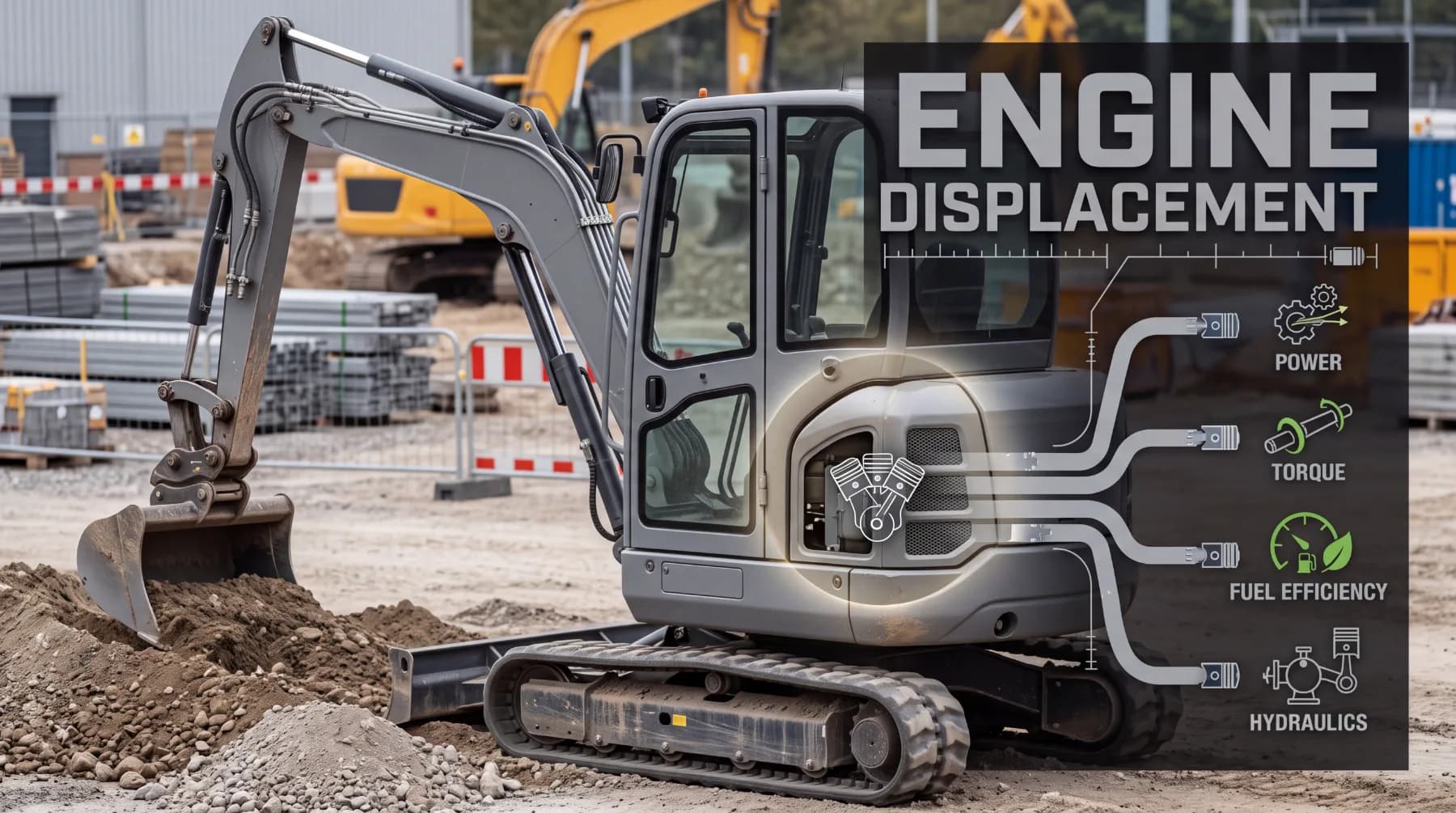
Engine displacement is one of those specifications that quietly shapes everything a mini excavator can do, yet many buyers overlook it in favor of headline numbers like horsepower or operating weight. Displacement, measured in cubic centimeters or liters, describes the total volume swept by all the cylinders in an engine. That single figure has a direct hand in how much power the machine produces, how well it holds up under load, how much fuel it burns, and how smoothly its hydraulic system performs. Understanding displacement helps you make a smarter purchase and get dependable results on every job. This post breaks down five ways engine displacement influences mini excavator performance, from raw power and torque to fuel efficiency, weight matching, and hydraulic productivity, so you can choose a machine that fits the work you actually do.
Engine Size vs. Available Power
Engine displacement sits at the root of how much power a mini excavator can generate. A larger displacement means the engine can draw in more air and fuel with each cycle, and that greater intake translates into more energy released during combustion. For a mini excavator, that energy becomes the power available to run the hydraulic pump, drive the tracks, and swing the house. When you ask a machine to dig into packed clay or lift a heavy load at full reach, the engine's displacement plays a major role in whether it responds with authority or struggles to keep up.
Power output isn't just about peak numbers, though. It's about how the machine handles demanding tasks without bogging down. An engine with adequate displacement maintains its speed and output even as the workload climbs, which keeps the excavator responsive and productive throughout the day. A smaller engine pushed beyond its comfortable range tends to lose momentum under heavy strain, forcing the operator to work more slowly and carefully.
Several factors connect displacement to real-world power:
- Air and fuel intake – larger cylinders process more of both, producing more combustion energy.
- Sustained output – bigger displacement holds power steadier under continuous heavy load.
- Responsiveness – a well-sized engine reacts quickly when digging force or lifting demand spikes.
The goal is a displacement that comfortably meets the machine's typical workload. When the engine has enough capacity for the tasks at hand, the excavator handles demanding work with confidence and delivers the dependable performance operators count on.
Torque and Digging Performance
https://img.miniexcavator.org/ebay/Blog/class1-2/27Aug/MiniExcavatorEngineDisplacement-02.webp
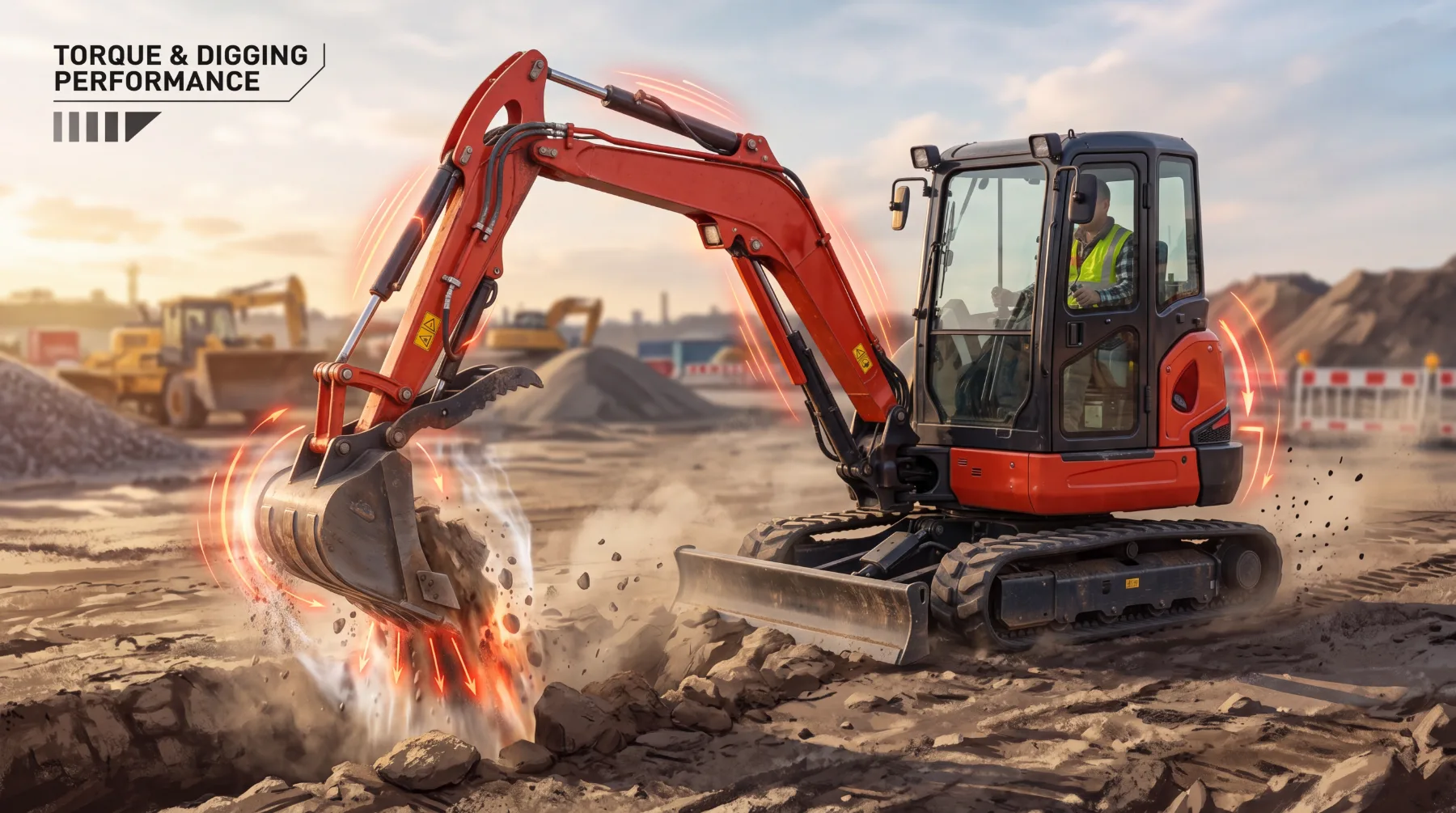
While power gets most of the attention, torque is what truly defines digging performance in a mini excavator. Torque is the rotational force the engine produces, and it's this twisting force, not raw speed, that lets a machine bite into hard ground and hold its ground against resistance. Displacement has a strong influence here, because a larger engine can generate more torque, especially at the lower engine speeds where excavation work actually happens. When the bucket meets compacted soil, roots, or rock, low-speed torque is what carries the cut through.
This matters because mini excavators rarely operate at high RPM during their most demanding work. Digging, breaking ground, and lifting heavy loads all call for strong force applied steadily rather than quickly. A larger displacement engine delivers robust low-speed torque, allowing the machine to maintain consistent digging performance without stalling or losing power when the going gets tough. An operator working through dense material feels this as smooth, uninterrupted progress instead of the frustrating hesitation that comes from an underpowered engine.
The practical benefits of strong low-speed torque show up across many tasks:
- Digging tough soil – the machine cuts through clay, hardpan, and rocky ground without bogging.
- Moving heavy loads – the arm and bucket hold their force when lifting or dragging weight.
- Breaking resistance – the engine keeps working when the bucket hits stubborn material.
For anyone who regularly digs in challenging conditions, torque delivery is a decisive factor. A mini excavator with displacement sized to produce ample low-speed torque simply works harder and more reliably, turning demanding excavation into steady, predictable progress rather than a battle against the machine's limits.
Fuel Consumption and Efficiency
It's tempting to assume that more displacement always means a better machine, but that reasoning doesn't hold up in practice. Displacement and efficiency exist in a balance, and a larger engine that produces more power also tends to consume more fuel doing it. If that extra capacity goes unused most of the time, you end up paying for power you don't need while burning more diesel than the job requires. The smartest choice is an engine sized to match the work, not simply the biggest one available.
Fuel efficiency depends heavily on how well the engine's displacement fits the machine's typical workload. An engine that's properly matched operates within its efficient range for most tasks, delivering the power needed without wasting fuel. An oversized engine, by contrast, often runs below its ideal load, which can hurt efficiency and drive up operating costs over the life of the machine. An undersized engine creates the opposite problem, running constantly at high strain, which also burns fuel inefficiently and wears components faster.
For operators and fleet managers, fuel consumption adds up quickly. A mini excavator that sips fuel while still handling its assigned work saves money on every shift and reduces the total cost of ownership over years of service. That's why the right displacement is the one that meets the power requirements of the actual work while keeping fuel consumption reasonable. Balancing these two demands is the mark of a well-engineered machine. Rather than chasing the largest engine on the spec sheet, look for the displacement that lines up with the tasks you perform most often, giving you dependable performance and efficient operation together in one package.
Matching Engine Displacement to Machine Weight
Engine displacement doesn't work in isolation; it needs to be matched carefully to the excavator's operating weight, hydraulic system, and intended workload. A mini excavator is an engineered system where every component is sized to work with the others, and the engine sits at the center of that balance. When displacement aligns properly with the machine's weight class and the demands of its hydraulics, the excavator performs as designed, delivering reliable power without waste or strain.
Getting this match right prevents two common problems. An underpowered configuration, where the engine's displacement is too small for the machine's weight and hydraulic demands, leaves the excavator sluggish and unable to sustain performance under load. The operator feels the machine struggle during heavy digging or lifting, and the engine works constantly at its limit, which shortens its life. On the other end, an oversized engine adds unnecessary weight, cost, and fuel consumption without delivering proportional benefit, since the machine can't fully use the extra capacity.
Key considerations when matching displacement to a machine include:
- Operating weight – heavier machines need enough displacement to move and dig effectively.
- Hydraulic demands – the engine must supply steady power to the pump under peak flow.
- Intended workload – the typical tasks and materials guide how much capacity is truly needed.
A properly matched engine gives you a mini excavator that feels balanced and capable in the work it was built for. The displacement supports the weight, drives the hydraulics without straining, and handles the intended tasks efficiently. This careful pairing is what separates a well-designed machine from one that either falls short or carries costly excess capacity, and it's a detail worth examining closely before you buy.
Hydraulic Performance and Overall Productivity
https://img.miniexcavator.org/ebay/Blog/class1-2/27Aug/MiniExcavatorEngineDisplacement-03.webp
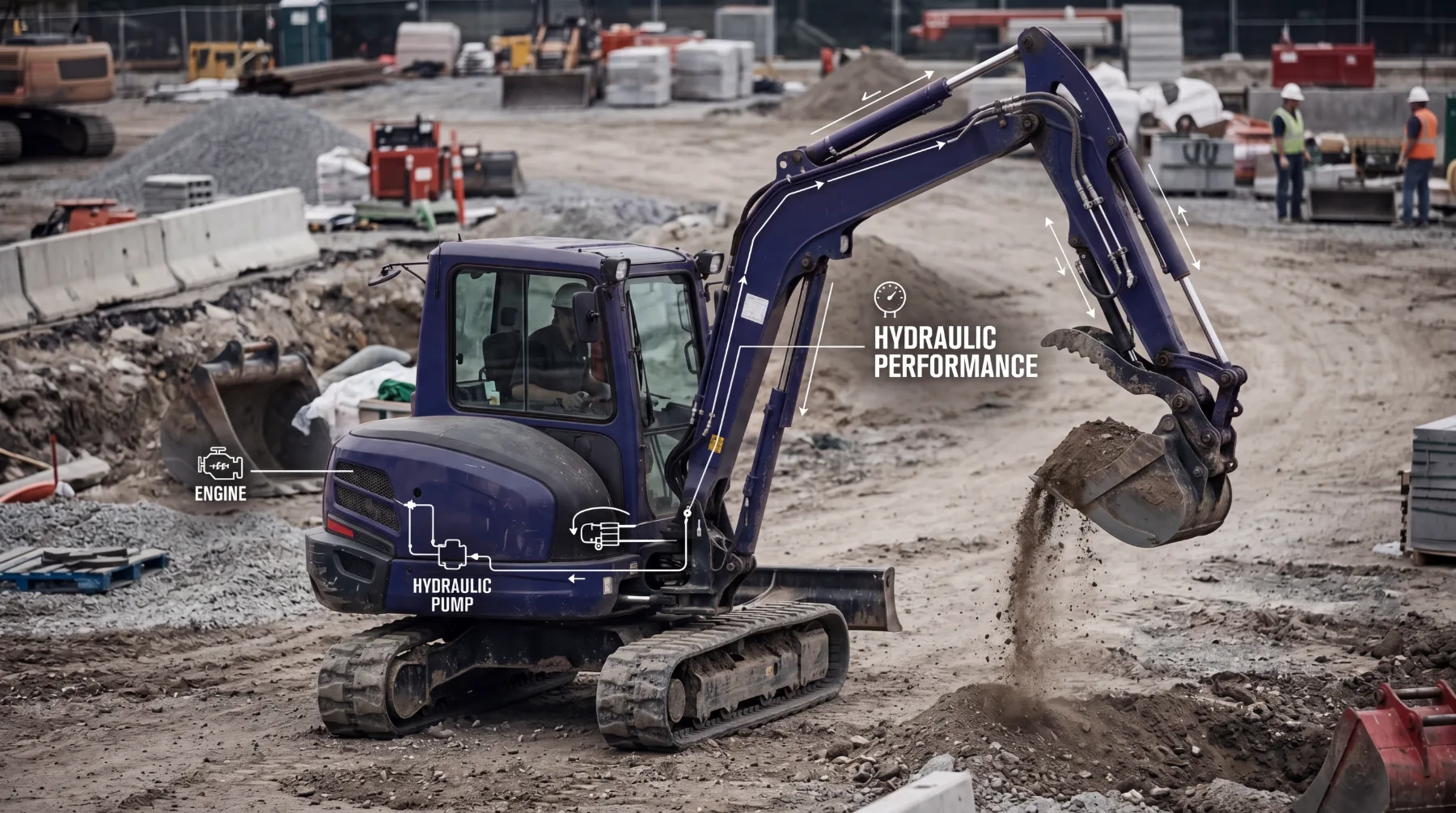
In a mini excavator, the engine's ultimate job is to power the hydraulic system, and that system is what actually gets the work done. The boom, arm, bucket, swing, and travel functions all depend on hydraulic power, and the engine must supply enough energy to drive the pump that pressurizes the fluid running through them. This makes the relationship between engine displacement and hydraulic performance the heart of the machine's productivity. When the engine delivers steady power, the hydraulics respond smoothly and consistently, no matter how demanding the task.
A well-matched engine keeps hydraulic performance stable even when multiple functions operate at once. Skilled operators frequently combine movements, swinging the house while curling the bucket, or traveling while adjusting the arm, and these combined actions draw heavily on hydraulic power. An engine with the right displacement maintains its output through these demands, so the machine doesn't slow or hesitate when the operator asks it to multitask. That consistency translates directly into faster cycle times and more work completed in a shift.
Productivity is where all of these factors come together. A mini excavator whose engine and hydraulics are properly matched digs, lifts, swings, and travels with the responsiveness operators rely on to work efficiently. There's no lag when the workload increases and no loss of force during heavy digging. The machine simply does what's asked of it, hour after hour, which keeps projects on schedule and operators confident in their equipment. This is the payoff of appropriate engine displacement: an excavator that supports its hydraulic system fully, maintains consistent performance under real working conditions, and delivers the dependable productivity that justifies the investment in the first place.
Conclusion
Engine displacement shapes far more of a mini excavator's performance than its place on the spec sheet suggests. It influences the power available for demanding work, the low-speed torque that drives digging through tough material, the fuel the machine consumes, and how well the engine matches the excavator's weight and hydraulic demands. Above all, it determines whether the hydraulic system, the true workhorse of the machine, receives the steady power it needs to keep boom, arm, bucket, and travel functions productive. The right displacement isn't the largest one available; it's the one that balances power, efficiency, and workload for the tasks you perform most. By understanding how displacement ties all these elements together, you can choose a mini excavator that delivers dependable, efficient performance and stands up to the work you count on it to do.
Frequently Asked Questions
1. What is engine displacement, and why does it matter for a mini excavator?
Engine displacement is the total volume swept by all the cylinders in an engine, usually measured in cubic centimeters or liters. It matters because it directly influences how much air and fuel the engine can process, which in turn shapes power output, torque, and fuel consumption. For a mini excavator, displacement affects how well the machine handles digging, lifting, and hydraulic demands. A displacement matched to the machine's weight and workload gives you reliable performance, while a poor match can leave the excavator underpowered or wastefully oversized.
2. Does a bigger engine always mean a better mini excavator?
No. A larger displacement engine produces more power, but it also burns more fuel and adds weight and cost. If that extra capacity goes unused during typical work, you're paying for power you don't need. The best engine is one sized to match the machine's operating weight, hydraulic system, and intended tasks. A properly matched engine runs within its efficient range, delivers the power the job requires, and keeps fuel consumption reasonable, which is far more valuable than simply having the biggest engine available.
3. How does engine displacement affect digging performance?
Digging performance depends heavily on torque, the rotational force the engine produces, especially at the low speeds where excavation happens. A larger displacement engine can generate stronger low-speed torque, letting the machine bite into hard soil, cut through roots, and move heavy loads without bogging down or stalling. This steady force is what keeps digging smooth and productive in tough conditions. An engine with too little displacement tends to lose power under heavy resistance, forcing slower, more cautious work.
4. How does engine displacement influence fuel consumption?
Displacement and fuel consumption are closely linked. A larger engine generally uses more fuel to produce its greater power, so an oversized engine running below its ideal load can waste fuel and raise operating costs. An undersized engine runs constantly at high strain, which also burns fuel inefficiently and wears faster. The most efficient setup is a displacement matched to the actual workload, allowing the engine to operate in its efficient range and deliver dependable power while keeping daily fuel use and long-term costs under control.
5. Why is engine power connected to hydraulic performance?
In a mini excavator, the engine's main role is to drive the hydraulic pump that powers the boom, arm, bucket, swing, and travel functions. Every movement the machine makes relies on hydraulic power, so the engine must supply steady energy to keep those functions responsive. A well-matched engine maintains consistent output even when multiple functions operate at once, preventing lag or loss of force during heavy work. This stable hydraulic performance translates directly into faster cycle times, smoother operation, and greater overall productivity on the job.

Previous Article
TYPHON Fury 10 vs. Fury 15 vs. Fury 20: Comparing Weight, Power, and Compaction Performance
Next Article
Three Stage Mast Electric Forklift Buying Guide for Growing Businesses
Reader feedback
Have any comments, corrections, or suggestions for this blog post? Reach out to our support team.
Report feedback