
Volvo CE Uses Move to Zero 2026 to Push for Faster Clean-Construction Adoption
Nearly 140 participants from Europe’s construction value chain met at Volvo CE’s headquarters to discuss how procurement, infrastructure and cooperation can accelerate zero-emission construction.
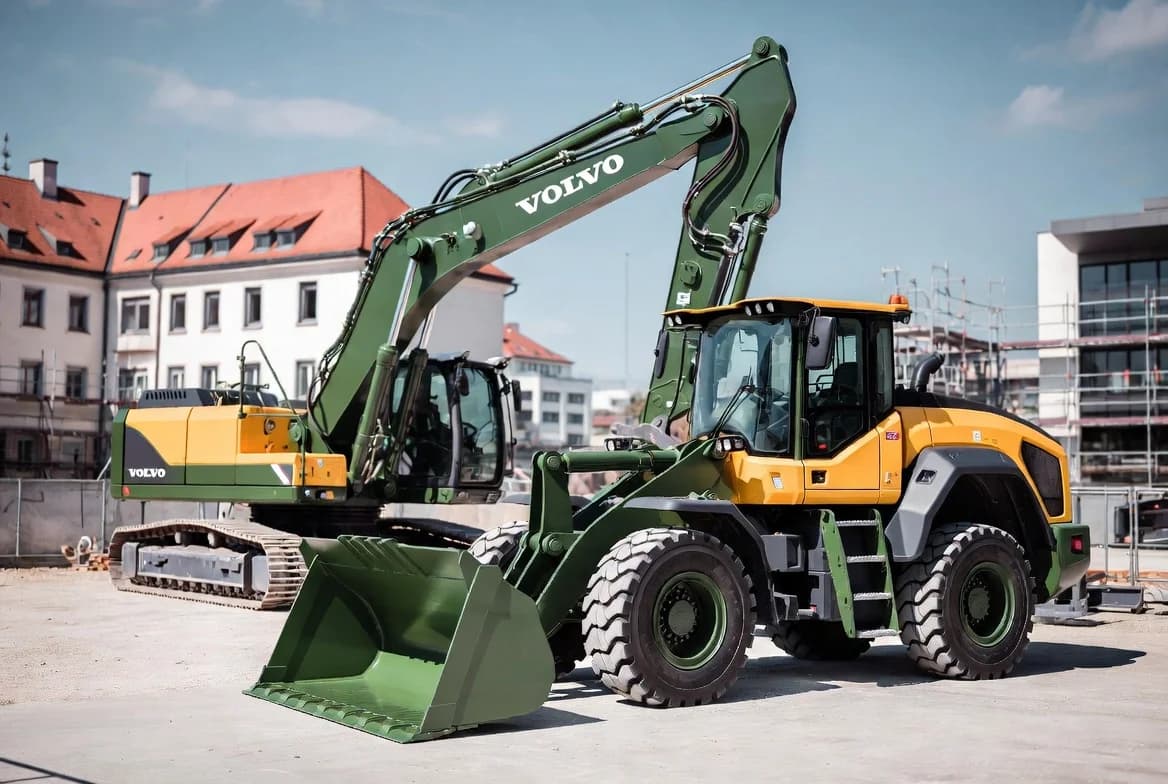
Volvo CE electric zero-emission construction equipment for Move to Zero 2026
What happened
Volvo Construction Equipment hosted Move to Zero 2026 at its headquarters in Eskilstuna, bringing together nearly 140 representatives from contractors, customers, energy companies, municipalities, policymakers and partner organizations. The event focused on the practical conditions needed to scale zero-emission construction.
Why industry coordination is necessary
Electric construction equipment cannot be adopted through machine purchases alone. Contractors need charging capacity, site power planning, suitable duty cycles, trained operators, service support and commercial contracts that recognize the cost of early adoption. Municipalities and project owners influence demand through procurement rules, while utilities and charging providers determine whether enough power can be delivered at the right place and time.
From pilot projects to repeatable delivery
The construction industry has completed a growing number of electric-machine pilots, but the next challenge is replication. A successful demonstration on a high-profile site does not automatically create a standard method for hundreds of ordinary projects. Scaling requires common planning tools, realistic tender requirements, predictable access to equipment and a clear way to allocate infrastructure costs.
Business case and working conditions
Volvo said discussions highlighted stronger business cases, better working conditions and public-health benefits. Electric machines can reduce local exhaust emissions and noise, which is particularly valuable in cities, indoor sites and work near residents. Lower noise may also improve communication around the machine. The financial case depends on utilization, electricity cost, charging logistics, machine price, incentives and the value assigned to emissions and noise reduction.
Procurement as a market signal
Public and private project owners can accelerate adoption by specifying outcomes such as emissions limits, low-noise operation or fossil-free working zones. Requirements need to be technically realistic and announced early enough for contractors to secure equipment and infrastructure. Poorly designed rules can reduce competition or shift risk onto contractors without giving them a workable delivery path.
Infrastructure and energy planning
A site may have several machines with different charging windows. Fast charging can reduce downtime but may require higher grid capacity, while slower charging may work during breaks or overnight. Temporary batteries, grid connections and mobile charging systems each have different costs and constraints. Energy planning should begin during tender preparation rather than after equipment arrives.
What this means for machinery buyers
Fleet owners considering electric equipment should evaluate real tasks, shift patterns, transport, charging and service support. A machine should be selected because it can complete the work reliably, not only because it is electric. Buyers should request energy-use data, charging requirements, battery warranty terms and examples from comparable applications.
What to watch next
The important next step is whether lessons from events such as Move to Zero become standard procurement language, charging guidance and repeatable project models. Progress will be visible when zero-emission equipment can move between projects without rebuilding the commercial and technical plan from the beginning each time.
Source and publication note
Primary source: Volvo Construction Equipment, “Volvo Construction Equipment convenes Europe’s ecosystem at Move to Zero 2026.” Open official source

Previous Article
Volvo CE Prepares Quarry and Mining Lineup for Steinexpo 2026
Next Article
Greenstone Adds Eight New-Generation Volvo A40 Haulers in the Philippines
Corrections and reader feedback
Found an error or have source material we should review? Send a correction report and an administrator can review it.
Report a correction